

Nationwide Code Compliance Support
Iowa Elevator Code 2026
Regulations & Standards
Switch to Cellular Phone Lines and Save 30% or More!
Find the latest information on Iowa Elevator Code, laws, and safety standards. Our directories are updated monthly and include website links to help you quickly find the elevator codes and regulations for the state of Iowa (IA)
Iowa elevator codes impose a responsibility on building owners and property managers to adhere to specific requirements within elevators, ensuring the safety of all occupants. Failure to comply with these codes can result in penalties and potential legal action. While the particulars of the Iowa elevator code may differ at the state and local levels, three primary codes govern elevator safety: the American Society of Mechanical Engineers (ASME), the International Building Code (IBC), and the Americans with Disabilities Act (ADA).
ADA
The Americans with Disabilities Act (ADA) mandates unrestricted and equal access to services for individuals with disabilities.
IBC
The International Building Code (IBC) establishes precautions against hazards associated with constructed environments.
ASME
The American Society of Mechanical Engineers (ASME) plays a pivotal role in the development of codes and standards.
The State of Iowa (IA) currently operates under the 2019 ASME A17.1 and CSA B-44 Code
Iowa Elevator Code Authority (IA)
Authorities having jurisdiction are those government officials who are the final authority on questions in a particular area (or jurisdiction).
Building Owners of existing elevators, escalators, dumbwaiters, and other equipment covered by Iowa Code Chapter 89A have many responsibilities. All covered equipment must be registered with the Iowa Division of Labor. A current operating permit must be posted at all times.
The owner must hire a qualified elevator maintenance company to perform regular safety tests. Owners of older elevators may have to upgrade their equipment by May 1, 2020, to enhance safety. More information can be found by reviewing the Iowa code and administrative rules.
In addition, Iowa Elevator Code Authority requires that equipment must be inspected on a regular schedule. The owner may hire a qualified, private inspector. Otherwise, an inspector employed by the State of Iowa will inspect. If the equipment does not meet the code, corrections will be required. For current permit status, check the elevator public portal.
Iowa Division of Labor
1000 East Grand Avenue
Des Moines, IA 50319-0209
Elevator Installation Companies
Compliance with the following is required for elevator installation companies:
At least 8 weeks before an alteration or installation is scheduled to begin, submit an installation or alteration permit application (link is external) to Iowa Division of Labor, Elevator Safety, 1000 East Grand Avenue, Des Moines, IA 50319-0209. Failure to obtain a permit may result in significant extra costs and delays in the project.
Work cannot begin on an installation or alteration until a permit for the work has been issued by the Labor Commissioner. Once the permit has been issued and received it is to be posted on the job site. Equipment should not be put into use until it passes inspection by a state inspector. Most businesses in the elevator industry must have a current contractor registration number issued by the Division of Labor.
Iowa Elevator Code Authority Accident Reporting
Immediately notify the Labor Commissioner of an accident involving an elevator, escalator, or related equipment. Follow the accident notification requirements and submit a conveyance accident report form to the Iowa Division of Labor. (excerpts from state website)
Elevator Cellular Phone Lines
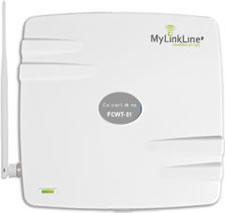
How to eliminate the cost of traditional elevator phone lines and save 35% or more. Our cellular elevator phone lines conform to ASME, ADA, and IBC codes, encompassing all requirements of the Iowa elevator code.
Iowa Elevator Code
Elevator Phone Requirements ASME A17.1 & IBC**
- Two-way communication between elevator and authorized personnel
- On-site communications if over 60 ft of travel
- Communication between the elevator if elevator has remote machine room
- Answer by live authorized personnel – no automated answering
- Communication capability for onsite emergency personnel
- On-site monitoring if staffed 24/7 by authorized personnel
- Location identification on demand to authorized personnel
- Location identification without voice communication
- Hands-free devices only and telephone handsets are not allowed
- Phone automatlly answers when calling into elevator
- Automatic redirect if no answer onsite
- Monitoring the status of local telephone lines and issuing local alerts
**Iowa elevator code authority also follows IBC 2018, which incorporates extra requirements for new elevators/construction projects
If your elevator travels over 60 feet. A two-way communication system will be installed in the elevator that provides both visible text and audible modes per code requirements. If you’re modernizing the elevator to ensure it complies with current codes, it’s advisable to consult your local Iowa elevator code authority for guidance on the applicable regulations.
- Two-way message display in the elevator cab for hearing and/or speech impaired
- A method for authorized personnel to access video footage of passengers from any location within the cabin
- A mechanism triggered by emergency personnel to modify the cabin message, signaling that assistance has arrived on-site
Please be advised that we are committed to consistently delivering accurate and current adoption information. We diligently update our records as new Iowa elevator code information becomes available.
Iowa Elevator Compliance Starts With DIAL
Description: A plain language snapshot of what state regulators expect from owners and managers.
In Iowa, the Iowa elevator code is enforced through the Department of Inspections, Appeals, and Licensing. For property managers and building owners, that means every covered conveyance must be registered, the current operating permit must be posted, and regular safety tests must be handled by a qualified elevator maintenance company. Inspections follow a state schedule, and you can use a state-commissioned private inspector or an inspector employed by Iowa. If you are managing a portfolio, the Iowa elevator code becomes easier when you keep one compliance file per building: permits, test logs, and correction closeouts. MyLinkLine helps by keeping the emergency phone portion organized with cellular options, documented testing, and optional monitoring.
Permits, Modernization, and Avoiding Project Delays
Description: How elevator contractors and building teams plan work so inspections and reopenings stay on schedule.
For new installs or modernization, treat the Iowa elevator code as a project timeline tool, not just a checklist. Iowa requires an installation or alteration permit before work begins, and the state asks you to submit a complete package early, one form per conveyance. That Iowa elevator code permit step is what keeps inspection day from stalling your turnover. Once issued, post the permit on site and plan for acceptance inspection before opening to the public. DIAL also encourages early design review to resolve conflicts between elevator, fire, building, and electrical requirements before equipment is ordered. MyLinkLine supports Iowa elevator code readiness by keeping emergency phone upgrades coordinated with your schedule and inspection documentation.
Owner Compliance Checklist for Day-to-Day Readiness
- Confirm every unit is registered and listed correctly with DIAL.
- Verify the operating permit is posted where inspectors expect to see it.
- Keep the elevator service contract active and schedule periodic safety tests.
- Maintain a simple folder of inspection reports, corrections, and closeout notes.
- Track safety order due dates so items do not age past your response window.
- Use the public permit search to confirm status when you buy, sell, or refinance a building.
- Set internal reminders 60 days before expected inspections to coordinate vendors early.
- Train onsite staff to document issues, take photos, and notify the right vendor fast.
- Keep the emergency phone reachable at all times to support Iowa elevator code compliance.
- Log every emergency phone test so you can prove the line works on demand.
- If you use a monitoring center, confirm the call routing and notification list are current.
- Keep elevator location labels consistent so responders can identify the right car quickly.
Permit and Inspection Workflow for Elevator Contractors
- Submit a separate permit application for each conveyance and attach complete plan sets.
- For alterations, include drawings and specifications for every planned change.
- Provide one electronic plan submittal that stays readable when enlarged.
- Include the building code analysis document when it is required for the project package.
- Pay invoiced fees through the approved process, then save the receipt in the job file.
- Post the issued permit on site before work starts and before the inspector arrives.
- Coordinate the acceptance inspection through the state process before turning the unit over under the Iowa elevator code.
- Do not place equipment into public use until the inspection passes and paperwork is complete.
- If you need more time to comply with a safety order, submit the extension request with the inspection report attached.
- If an accident happens, notify the state promptly and follow the reporting instructions.
Accidents, Safety Orders, and What Changes Your Timeline Fast
- Iowa expects owners to notify the state promptly when an elevator or conveyance accident meets reporting thresholds.
- If a report is required, the conveyance may be forbidden from use until it is inspected and approved by the state.
- The state can also restrict the removal of damaged parts until permission is granted.
- If safety orders are issued, start corrections immediately and keep proof of completion.
Emergency Phone Readiness for Inspection Day
- The emergency phone must place a successful call quickly and consistently.
- Location must be identifiable so responders know the exact building and elevator.
- Calls should reach authorized personnel with clear communication from the cab.
- Modernizations may require upgrades such as hands-free operation or visible communication options.
- Keep a test log so you can show Iowa elevator code readiness without chasing paperwork.
- MyLinkLine supports Iowa elevator code compliance by replacing aging lines with cellular service, supplying reliable equipment, and optionally monitoring calls for documentation.
Emergency Elevator Phones
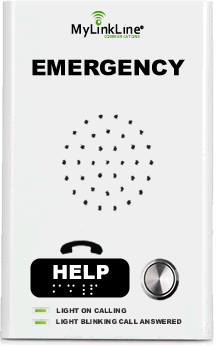
MyLinkLine will only install elevator telephones that meet code requirements. We also comply with ADA, ASME, ANSI and IBC codes in addition to all State and Local requirements if applicable. Volume pricing available.

Elevator Phone Monitoring Service
Our dispatch center has been delivering professional service for over twenty years. Our staff has extensive technical and interpersonal training to assist in emergency and non-emergency situations.

Lifetime Product Warranty
If any part of your elevator telephone(s) or elevator cellular landline fails at any time during your lifetime due to a defect in material or workmanship, we will repair or, at our option, replace the defective device at our cost***
Frequently Asked Questions
Iowa Elevator Code and Inspection Compliance
Who regulates elevators in Iowa?
In Iowa, elevator permitting and inspection oversight sits with the state agency that handles conveyance safety. If you manage multiple sites, keep one compliance contact and one vendor contact so Iowa elevator code questions do not bounce between teams.
Do I need to register every elevator or escalator?
Yes. Registration is part of staying inspection-ready under the Iowa elevator code. If ownership changes, update records so the posted permit and billing details match your portfolio.
How often are elevators inspected?
Inspections follow a state schedule, and some owners use a commissioned private inspector. Your maintenance company should plan tests and tune-ups around the inspection window so items are ready when the inspector arrives.
When is an installation or alteration permit required?
Before work starts. For modernization projects, apply early, include complete plans, and keep the permit posted on site. This helps you avoid delays tied to Iowa elevator code review steps.
How far in advance should a contractor apply for a permit?
The state guidance asks for submittals well ahead of the planned start date. Build time for plan review, revisions, and acceptance scheduling into the Iowa elevator code timeline so reopening dates do not slip.
What happens if an elevator fails inspection?
You will receive the required corrections and may see safety orders. Track closeout dates, keep proof of correction, and request extensions when allowed, so Iowa elevator code deadlines do not surprise you.
How do I request more time to complete a safety order?
Use the extension request process and attach a legible copy of the inspection report or safety order. Submit it within the allowed window so it is not automatically denied.
When do accidents have to be reported?
Reportable events can include injuries that require a physician, disability beyond one day, or damage that takes significant repair time. If the report threshold is met, Iowa elevator code procedures can restrict use until the unit is inspected and approved.
What are the emergency phone requirements for Iowa elevators?
Your emergency phone must reliably connect to authorized personnel and allow responders to identify the exact location. Keep test logs and call documentation so your Iowa elevator code inspection file is complete.
Can I use a cellular line instead of a traditional landline?
In most buildings, yes, as long as the solution meets the communication and location needs of the Iowa elevator code for your elevator. MyLinkLine helps you deploy cellular service, keep test records, and add monitoring if you want calls answered and documented.
Other Useful MyLinkLine Resources