

Nationwide Code Compliance Support
Vermont Elevator Code 2026
Regulations & Standards
Find the latest information on Vermont Elevator Code, laws, and safety standards. Our directories are updated monthly and include website links to help you quickly find the elevator codes and regulations for the state of Vermont (VT)
Vermont elevator codes impose a responsibility on building owners and property managers to adhere to specific requirements within elevators, ensuring the safety of all occupants. Failure to comply with these codes can result in penalties and potential legal action. While the particulars of the Vermont elevator code may differ at the state and local levels, three primary codes govern elevator safety: the American Society of Mechanical Engineers (ASME), the International Building Code (IBC), and the Americans with Disabilities Act (ADA).
ADA
The Americans with Disabilities Act (ADA) mandates unrestricted and equal access to services for individuals with disabilities.
IBC
The International Building Code (IBC) establishes precautions against hazards associated with constructed environments.
ASME
The American Society of Mechanical Engineers (ASME) plays a pivotal role in the development of codes and standards.
The State of Vermont (VT) currently operates under the 2013 ASME A17.1 and CSA B-44 Code
Vermont Elevator Code Authority
The Division of Fire Safety’s mission is to protect the public and fire service through coordinated efforts in Code Enforcement, Fire Service Training, Public Education, Hazardous Materials Response, Fire Investigation and Urban Search and Rescue. Thereby, maximizing life safety and property conservation and minimizing environmental impacts due to fire, natural disasters and other emergencies in the State of Vermont.
Elevators/Conveyances
The purpose of these rules is to assure that elevators and other automated conveyances are correctly and safely installed and operated within the state.
Vermont Elevator Code Authority
Division of Fire Safety
45 State Drive
Waterbury, VT 05671
This is done by authorizing and enforcing rules for the design, installation, operation and maintenance of conveyances, and by licensing mechanics and inspectors who work on these conveyances. Person (s) who erect, construct, wire, alter, replace, or maintain conveyances located in any public building must be licensed as an elevator or lift mechanic. These rules are adopted by the Elevator Safety Review Board pursuant to 21 VSA Chapter 3, Subchapter 2A.
The Elevator Safety Review Board assures that elevators and other automated conveyances are correctly and safely installed and operated within the state by authorizing and enforcing rules for the design, installation, operation and maintenance of automated people conveyances, and by licensing mechanics and inspectors who work on these conveyances.
At the October 10, 2011 Board meeting, the topic of shunt trip breakers was discussed relative to elevator operation and safety. The board found no convincing evidence that shunt trip provides improved public safety, but did receive significant testimony to the contrary:
In some situations occupants can be trapped inside the elevator car, should the shunt trip breaker activate when the elevator car is between floors. When the shunt trip is activated fire departments are no longer able to utilize the elevator for rescue or fire operations. Elimination of shunt trip breakers will provide financial benefit to building owners by eliminating the continuing costs of maintaining/repairing the shunt trip feature in an operational state.
The Board determined to eliminate shunt trip circuit breakers subject to the following provisions:
When the elevator machine room is not constructed of non-combustible or limited combustible materials, (steel studs/joist and gypsum) it will be acceptable to provide an additional layer of 5/8” gypsum within the machine room in lieu of a non-combustible enclosure.
Where elevator shaft and machine room is constructed of non-combustible or limited combustible materials, the sprinkler head at the top of shaft must be removed and plugged, the heat detector disconnected from shunt trip breaker, and smoke detector removed. Where buildings have sprinkler protection, a sprinkler head shall be located no more than 24” above the pit floor.
Elevators having shunt trip in place shall have breakers removed or disconnected prior to January 1, 2015. This will allow both fire alarm and sprinkler vendors to complete work during annual inspections. (excerpt from state website)
Elevator Cellular Phone Lines
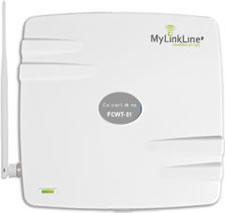
How to eliminate the cost of traditional elevator phone landlines and save 35% or more. Our cellular elevator phone lines conform to ASME, ADA, and IBC codes, encompassing all requirements of the Vermont elevator code.
Vermont Elevator Code – Elevator Phone Requirements ASME A17.1
- Two-way communication between elevator and authorized personnel
- On-site communications if over 60 ft of travel
- Communication between the elevator if elevator has remote machine room
- Answer by live authorized personnel – no automated answering
- Communication capability for onsite emergency personnel
- On-site monitoring if staffed 24/7 by authorized personnel
- Location identification on demand to authorized personnel
- Location identification without voice communication
- Hands-free devices only and telephone handsets are not allowed
- Phone automatlly answers when calling into elevator
- Automatic redirect if no answer onsite
- Monitoring the status of local telephone lines and issuing local alerts
Code Compliance Guidelines
How Vermont enforces elevator safety
Vermont Elevator Code helps keep elevators safe by requiring compliance with the state’s elevator safety rules, inspections, and qualified work practices that protect riders and property owners.
Who the authority is
Vermont Elevator Code oversight is tied to the state’s fire safety authority and elevator rules, so owners should follow the state process for inspections, enforcement, and approvals.
Inspections you should expect
Vermont Elevator Code compliance typically means scheduling required inspections and keeping your elevator available for testing so issues can be corrected before they become violations.
Inspection certificates and renewals
Vermont Elevator Code programs commonly require current inspection documentation on file, plus timely renewals so your building avoids lapses that can lead to enforcement problems.
Permits and plan review for alterations
Vermont Elevator Code expectations increase when you modernize equipment, change controls, or alter door systems, so plan review and permits may apply before work begins.
Modernizations and controller upgrades
Vermont Elevator Code can affect how you scope modernization projects, because safety devices, emergency operations, and communications may need to meet current referenced standards.
Who can perform the work
Vermont Elevator Code compliance is supported by licensing requirements for elevator mechanics and inspectors, so use properly credentialed professionals for construction and maintenance.
Testing, records, and logbooks
Vermont Elevator Code readiness is easier when you maintain service records, testing logs, and corrective action documentation that can be shown during inspections or audits.
Variances and exceptions
Vermont Elevator Code issues sometimes require a variance request, especially when site constraints make a strict technical requirement impractical without alternative protections.
Emergency phone reliability basics
Vermont Elevator Code planning should include a dependable, hands free emergency communication path that reaches live authorized personnel and supports clear location identification.
How MyLinkLine supports compliance
Vermont Elevator Code compliance is simpler when your emergency phone hardware and service are built for code driven expectations, and MyLinkLine installs code compliant elevator phones, offers cellular elevator phone lines that align with ASME, ADA, and IBC needs, and provides live operator monitoring options and product warranty support.
Emergency Elevator Phones
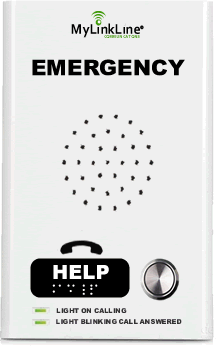
MyLinkLine will only install elevator telephones that meet code requirements. We also comply with ADA, ASME, ANSI and IBC codes in addition to all State and Local requirements if applicable. Volume pricing available.

Elevator Phone Monitoring Service
Our dispatch center has been delivering professional service for over twenty years. Our staff has extensive technical and interpersonal training to assist in emergency and non-emergency situations.

Lifetime Product Warranty
If any part of your elevator telephone(s) or elevator cellular landline fails at any time during your lifetime due to a defect in material or workmanship, we will repair or, at our option, replace the defective device at our cost***
Frequently Asked Questions
Elevator Code and Inspection Compliance
What does Vermont Elevator Code mean for building owners
It usually means you are responsible for keeping equipment inspected, documented, and corrected on time, using qualified professionals and maintaining proof of compliance for your records.
How often do elevators need inspection certificates renewed
Renewal timing depends on the state’s inspection cycle and your equipment type, so the best practice is to track expiration dates and schedule inspections early to avoid last-minute delays.
When do I need a permit or plan review for elevator work
Permits and plan review are commonly triggered by alterations, modernizations, or equipment changes that affect safety systems, controls, doors, or emergency operation features.
Does Vermont Elevator Code require an elevator emergency phone
Most elevators need an emergency communication method that works when riders need help, so owners should confirm their cab communication meets the expected reliability and response requirements.
What should I keep on file for compliance
Keep inspection documentation, service and repair logs, test records, and any approvals or variance decisions, plus vendor contact information for fast corrective action if a problem is found. requirements.
How can MyLinkLine help with emergency phone compliance
MyLinkLine helps by installing elevator telephones that meet code requirements, and installing cellular elevator phone lines to reduce reliance on traditional landlines, and offering monitoring options designed to connect riders to live personnel, which supports Vermont Elevator Code readiness when you need a dependable emergency call path. requirements.
Other Useful MyLinkLine Resources