

Nationwide Code Compliance Support
Washington Elevator Code 2026
Regulations & Standards
Switch to Cellular Phone Lines and Save 30% or More!
Find the latest information on Washington Elevator Code, laws, and safety standards. Our directories are updated monthly and include website links to help you quickly find the elevator codes and regulations for the state of Washington (WA)
Washington elevator codes impose a responsibility on building owners and property managers to adhere to specific requirements within elevators, ensuring the safety of all occupants. Failure to comply with these codes can result in penalties and potential legal action. While the particulars of the Washington elevator code may differ at the state and local levels, three primary codes govern elevator safety: the American Society of Mechanical Engineers (ASME), the International Building Code (IBC), and the Americans with Disabilities Act (ADA).
ADA
The Americans with Disabilities Act (ADA) mandates unrestricted and equal access to services for individuals with disabilities.
IBC
The International Building Code (IBC) establishes precautions against hazards associated with constructed environments.
ASME
The American Society of Mechanical Engineers (ASME) plays a pivotal role in the development of codes and standards.
The State of Washington (WA) currently operates under the ASME A17.1 2019 / CSA B44 2019
Washington Elevator Code Authority
What to watch for if you’re a building owner or facilities manager
Check whether the specific work to be done on your elevator or other conveyance requires a licensed elevator mechanic. Determine if the people who work on your elevator or other conveyance are licensed to do so.
Elevator work that does not require a licensed elevator mechanic
Elevator mechanic licenses are not required for individuals who install signal systems, fans, electric light fixtures, illuminated thresholds, and feed wires to the terminals on the elevator main line control provided that the individual does not require access to the pit, hoistway, or top of the car for installation of these items.
Washington Elevator Code Authority
7273 Linderson Way SW
Tumwater, WA 98501-5414
Elevator mechanic licenses also may not be required for certain types of incidental work that is performed on elevators and other conveyances when the appropriate lockout and tag-out procedures have been performed by a licensed elevator mechanic in the appropriate license category. L&I must be notified and must approve the scope of work prior to the work being performed.
An elevator mechanic license is not required for maintenance on private residential conveyances performed by an owner or by someone voluntarily assisting an owner. A license is required for installation, alteration or repair of a private residential conveyance.
Under specific circumstances, maintenance work on conveyances in industrial, manufacturing, food, and energy processing plants are exempt from elevator license requirements. (excerpt from state website)
Elevator Cellular Phone Lines
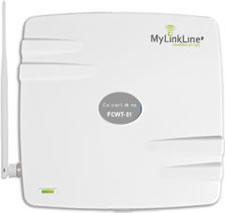
How to eliminate the cost of traditional elevator phone lines and save 35% or more. Our cellular elevator phone lines conform to ASME, ADA, and IBC codes, encompassing all requirements of the Washington elevator code.
Washington also follows IBC 2021, which includes additional requirements for new elevator installations
If your elevator travels over 60 feet. A two-way communication system will be installed in the elevator that provides both visible text and audible modes per code requirements. If you’re modernizing the elevator it’s advisable to consult your local Washington elevator code authority for guidance on the applicable regulations.
- Two-way message display in the elevator cab for hearing and/or speech impaired
A method for authorized personnel to access video footage of passengers from any location within the cabin - A mechanism triggered by emergency personnel to modify the cabin message, signaling that assistance has arrived on-site
Please be advised that we are committed to consistently delivering accurate and current adoption information. We diligently update our records as new Washington elevator code information becomes available.
Washington Elevator Code – Elevator Phone Requirements ASME A17.1
- Two-way communication between elevator and authorized personnel
- On-site communications if over 60 ft of travel
- Communication between the elevator if elevator has remote machine room
- Answer by live authorized personnel – no automated answering
- Communication capability for onsite emergency personnel
- On-site monitoring if staffed 24/7 by authorized personnel
- Location identification on demand to authorized personnel
- Location identification without voice communication
- Hands-free devices only and telephone handsets are not allowed
- Phone automatlly answers when calling into elevator
- Automatic redirect if no answer onsite
- Monitoring the status of local telephone lines and issuing local alerts
Code Compliance Guidelines
Washington oversight and enforcement
Under the Washington Elevator Code, the Washington State Department of Labor & Industries (L&I) Elevator Program serves as the authority having jurisdiction and sets the baseline rules for conveyances statewide. Owners, property managers, and contractors should align project planning, maintenance, and documentation with the state rules in Chapter 296-96 WAC and the adopted ASME/CSA standards. Local building departments may still be involved for certain building permits, but L&I is the primary elevator safety regulator for inspections, operating requirements, and program administration.
What code edition Washington uses today
The Washington Elevator Code currently adopts ASME A17.1-2019/CSA B44-19 for elevator safety requirements, which is the foundation for how equipment is installed, maintained, tested, and evaluated during inspections. For building owners, this matters most during alterations, modernizations, and communication upgrades, because the adopted edition influences what is required at the time of permitting and inspection. Keep a record of the code basis for each conveyance so compliance decisions are consistent.
Annual operating certificates and renewals
Washington Elevator Code compliance is tied to maintaining an active Annual Operating Certificate for each regulated conveyance. Use the state process to apply for and renew certificates so your site remains inspection ready and properly documented. Treat renewals like a recurring compliance deadline that should be tracked per address and conveyance number, especially across multi site portfolios. Strong certificate tracking reduces last minute surprises and helps prevent avoidable penalties or service interruptions.
Inspections and correction workflow
After an inspection, Washington Elevator Code obligations often involve documenting corrections and closing out open items on time. The state portal tools support submitting Proof of Correction and managing follow up steps, which helps you keep a clean compliance record for future renewals and permits. A practical best practice is to keep a simple log per conveyance that records inspection dates, findings, correction responsibilities, and completion evidence.
Permits for new installs, alterations, and modernization
When a project triggers permitting, Washington Elevator Code planning should start before materials are ordered or downtime is scheduled. Washington’s process supports applying for permits for new conveyances and managing alteration related permitting tasks, so owners and contractors can keep approvals aligned with construction sequencing. For modernization work, build in time for review, procurement, scheduling, and any required retesting so the project closes cleanly at final inspection.
Plan review and project readiness
A reliable Washington Elevator Code outcome depends on coordinating scope, documentation, and scheduling with the right parties early. For owners, that means confirming who is responsible for drawings, submittals, permits, and inspection coordination before the project starts. For contractors, it means ensuring the permit path matches the equipment scope and that the job plan accounts for tests, documentation, and any operational constraints at the site. Clear ownership prevents rework and delays.
Licensing for mechanics, helpers, and contractors
Washington Elevator Code administration includes licensing and credential requirements for elevator work performed in the state. L&I issues elevator mechanic licenses across multiple categories, and elevator contractors are licensed to employ licensed mechanics and bid on work. Owners should verify that the parties performing conveyance work are properly licensed for the task category and project scope before work begins. This reduces compliance risk and supports smoother inspection outcomes.
Handling extensions, waivers, and variances
When timelines slip, Washington Elevator Code compliance is still manageable if you use the correct state process to request an extension or waiver where allowed and document the reason. This is especially relevant when parts lead times, access constraints, or scheduling conflicts make immediate correction unrealistic. The key is to avoid informal workarounds and instead keep the file clean with written requests, clear status notes, and completion targets tied to the inspection record.
Recordkeeping that survives staff turnover
Washington Elevator Code performance improves when compliance is treated as a repeatable system, not a person dependent task. Maintain a single source of truth for each conveyance including location, conveyance identifiers, certificate status, inspection history, open items, vendor contacts, and service notes. This reduces emergency work, supports better contractor coordination, and makes renewals and permit work more predictable across your portfolio.
Emergency communication reliability expectations
Washington Elevator Code adoption of ASME A17.1 places real emphasis on emergency communication being reliable and available when a passenger needs help. Owners should prioritize signal stability, power continuity planning, clear location identification processes, and a response workflow that can be tested and documented. If you upgrade communication equipment, build a simple acceptance checklist that includes calling performance, audio quality, and documentation for inspection readiness.
How MyLinkLine supports compliance
Washington Elevator Code compliance is easier when emergency calling is dependable, and the system is straightforward to test and manage. MyLinkLine provides cellular elevator phone lines and optional monitoring that support reliable emergency calling and response handling, and MyLinkLine meets all applicable code requirements. For owners and contractors, that means a modern approach to emergency communications that supports inspection readiness, reduces the risk of phone line failures, and simplifies ongoing property-level compliance management.
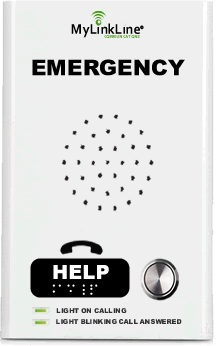
Emergency Elevator Phones
MyLinkLine will only install elevator telephones that meet code requirements. We also comply with ADA, ASME, ANSI and IBC codes in addition to all State and Local requirements if applicable. Volume pricing available.

Elevator Phone Monitoring Service
Our dispatch center has been delivering professional service for over twenty years. Our staff has extensive technical and interpersonal training to assist in emergency and non-emergency situations.
Lifetime Product Warranty
If any part of your elevator telephone(s) or elevator cellular landline fails at any time during your lifetime due to a defect in material or workmanship, we will repair or, at our option, replace the defective device at our cost***
Frequently Asked Questions
Elevator Code and Inspection Compliance
What is the Washington Elevator Code based on today?
Washington adopts elevator safety requirements through Chapter 296-96 WAC, including the adoption of ASME A17.1-2019/CSA B44-19 as the current safety code basis. If you manage multiple properties, confirm the adopted standard and any locally administered building requirements before modernization work so your permit and inspection plan aligns with the correct rules.
How do I renew an annual operating certificate for an elevator in Washington?
Renewal is handled through the state’s L&I elevator program process, and owners or property managers should track renewals by conveyance and site address. Keep renewal timing, inspection status, and payment records organized so you can print or access the certificate documentation quickly when needed.
Where do owners submit Proof of Correction under the Washington Elevator Code process?
Washington’s L&I portal resources support submitting Proof of Correction and managing follow up steps such as extension or waiver requests when applicable. A best practice is to upload clear evidence, tie it to the specific inspection item, and keep a local log that mirrors what is submitted so your team can answer questions quickly.
Do elevator contractors and mechanics need to be licensed in Washington?
Yes. Under the Washington Elevator Code framework, L&I licenses elevator mechanics in multiple categories and licenses elevator contractors to employ licensed mechanics and bid on contracts. Owners should confirm licensing status for the company and the individuals performing the work, and ensure the license category matches the specific equipment and scope.
How can MyLinkLine help with emergency phone compliance?
Washington Elevator Code expectations depend on reliable emergency communication that can be tested and supported over time. MyLinkLine provides cellular elevator phone lines and optional monitoring that support reliable emergency calling and response handling, and MyLinkLine meets all applicable code requirements. This helps reduce phone line failures, supports consistent testing, and gives owners and contractors a modern path for keeping emergency communications inspection-ready.
Other Useful MyLinkLine Resources