
Nationwide Code Compliance Support
Alaska Elevator Code 2026
Regulations & Standards
Switch to Cellular Phone Lines and Save 30% or More!
Find the latest information on Alaska Elevator Code, laws, and safety standards. Our directories are updated monthly and include website links to help you quickly find the elevator codes and regulations for the state of Alaska (AK)
Alaska elevator codes impose a responsibility on building owners and property managers to adhere to specific requirements within elevators, ensuring the safety of all occupants. Failure to comply with these codes can result in penalties and potential legal action. While the particulars of Alaska elevator code may differ at the state and local levels, three primary codes govern elevator safety: the American Society of Mechanical Engineers (ASME), the International Building Code (IBC), and the Americans with Disabilities Act (ADA).
ADA
The Americans with Disabilities Act (ADA) mandates unrestricted and equal access to services for individuals with disabilities.
IBC
The International Building Code (IBC) establishes precautions against hazards associated with constructed environments.
ASME
The American Society of Mechanical Engineers (ASME) plays a pivotal role in the development of codes and standards.
The State of Alaska (AK) currently operates under the 2019 ASME A17.1 and CSA B-44 Code
Alaska Elevator Code Authority
Authorities having jurisdiction are those government officials who are the final authority on questions in a particular area (or jurisdiction). The Alaska Division of Labor Standards and Safety Elevator Section oversees all elevators in the State. The Mechanical Inspection Section oversees installations of a variety of mechanical work to ensure public safety. The programs administered include both new construction and existing elevator installations.
In addition, the Mechanical Inspection Section enforces the Contractor Licensing and the Mechanical and Electrical Administrator programs. Inspectors perform inspections of new construction and repairs or alterations to elevator installations, and existing elevators are inspected annually.
The Mechanical Inspection Section issues licenses to qualified workers certifying their fitness to perform work. Construction contractor licensing and Electrical or Mechanical Administrator licensing are ongoing enforcement programs that are carried out in concert with other duties.
Authorities having jurisdiction are those government officials who are the final authority on questions in a particular area (or jurisdiction). The Alaska Division of Labor Standards and Safety Elevator Section oversees all elevators in the State. The Mechanical Inspection Section oversees installations of a variety of mechanical work to ensure public safety. The programs administered includes both new construction and existing elevator installations.
In addition, the Mechanical Inspection Section enforces the Contractor Licensing and the Mechanical and Electrical Administrator programs. Inspectors perform inspections of new construction and repairs or alterations to elevators installations and existing elevators are inspected annually.
The Mechanical Inspection Section issues licenses to qualified workers certifying their fitness to perform work. Construction contractor licensing and Electrical or Mechanical Administrator licensing are ongoing enforcement programs that are carried out in concert with other duties.

Alaska Division of Labor Standards
1251 Muldoon Road, Suite 113
Anchorage, AK 99504
Mechanical Inspection Section
Alaska elevator code enforcement is handled by the state’s Mechanical Inspection Section, which ensures every elevator, escalator, and lift meets safety standards. Building owners and property managers must follow these regulations to keep passengers safe and avoid penalties. This means arranging required inspections and securing permits or certificates of operation as needed. Before using a new elevator, the Alaska elevator code requires a plan review and an initial safety inspection by a state inspector. Existing elevators must undergo regular inspections (often every two years) to stay in compliance and maintain a valid certificate to operate.
For older elevators undergoing modernization, all new components and upgrades must meet current Alaska elevator code standards. This often means updating safety features, improving accessibility, and especially enhancing the emergency communication system. The code mandates a functional hands-free emergency phone in every elevator cab that connects 24/7 to responders, with location identification and support for hearing-impaired passengers when required. MyLinkLine assists Alaska property managers by providing code-compliant elevator phone solutions using reliable cellular lines. These upgrades not only help achieve Alaska elevator code compliance but also reduce traditional phone line costs while enhancing safety.
Elevator Cellular Phone Lines
How to eliminate the cost of a traditional elevator phone line and save 35% or more
We suggest transitioning to cellular technology. Our cellular elevator phone lines conform to ASME, ADA, and IBC codes, encompassing all requirements of the Alaska elevator code.
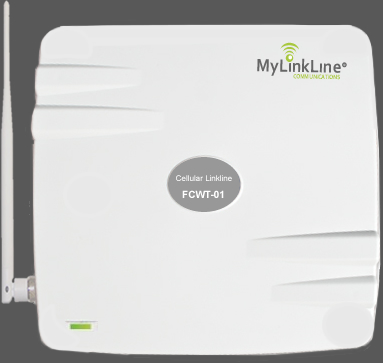
Alaska Elevator Code – Elevator Phone Requirements ASME A17.1 & IBC**
- Two-way communication between elevator and authorized personnel
- On-site communications if over 60 ft of travel
- Communication between the elevator if elevator has remote machine room
- Answer by live authorized personnel – no automated answering
- Communication capability for onsite emergency personnel
- On-site monitoring if staffed 24/7 by authorized personnel
- Location identification on demand to authorized personnel
- Location identification without voice communication
- Hands-free devices only and telephone handsets are not allowed
- Phone automatlly answers when calling into elevator
- Automatic redirect if no answer onsite
- Monitoring the status of local telephone lines and issuing local alerts
**Alaska also follows IBC 2021, which incorporates extra requirements for new elevators/construction projects
If your elevator travels over 60 feet. A two-way communication system will be installed in the elevator that provides both visible text and audible modes per code requirements. If you’re modernizing the elevator to ensure it complies with current codes, it’s advisable to consult your local Alaska elevator code authority for guidance on the applicable regulations.
- Two-way message display in the elevator cab for hearing and/or speech impaired
A method for authorized personnel to access video footage of passengers from any location within the cabin - A mechanism triggered by emergency personnel to modify the cabin message, signaling that assistance has arrived on-site
Please be advised that we are committed to consistently delivering accurate and current adoption information. We diligently update our records as new Alaska elevator code information becomes available.
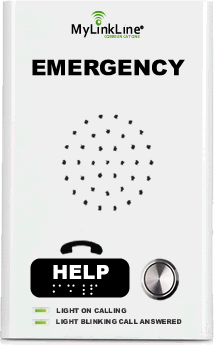
Emergency Elevator Phones
MyLinkLine will only install elevator telephones that meet code requirements. We also comply with ADA, ASME, ANSI and IBC codes in addition to all State and Local requirements if applicable. Volume pricing available.

Elevator Phone Monitoring Service
Our dispatch center has been delivering professional service for over twenty years. Our staff has extensive technical and interpersonal training to assist in emergency and non-emergency situations.
Lifetime Product Warranty
If any part of your elevator telephone(s) or elevator cellular landline fails at any time during your lifetime due to a defect in material or workmanship, we will repair or, at our option, replace the defective device at our cost***
FAQs for Alaska Elevator Code and Inspection Compliance
Who enforces elevator safety regulations in Alaska?
The Alaska Department of Labor’s Mechanical Inspection Section enforces the Alaska elevator code across the state. They oversee all elevator inspections and ensure compliance with safety standards. (In Anchorage, the city’s Building Safety department handles local elevator inspections by agreement with the state.) State elevator inspectors conduct required checks and issue certificates of operation for elevators that meet code. Building owners must correct any violations noted and keep their elevators certified safe under the law.
How often do elevators need to be inspected in Alaska?
Elevators in Alaska are generally inspected every two years by state authorities. The Alaska elevator code requires a biennial safety inspection for each elevator (escalators are inspected annually). After a successful inspection, the elevator receives a certificate of operation that is valid for two years. Many building owners also schedule annual maintenance checks for safety, but the official state inspection cycle is biennial. Staying on schedule with required inspections is crucial to remaining code-compliant and avoiding lapses in certification.
Do new or modernized elevators in Alaska need a permit or certification?
Yes. Before a new elevator is put into service in Alaska, the Alaska elevator code requires a plan approval and an initial inspection by a state inspector. If the elevator passes, the state issues a certificate of operation (an operating permit) that must be in place for legal use. Similarly, any significant alteration or modernization of an existing elevator needs to meet current code and be inspected. Owners should always obtain an updated certificate of operation after installing a new elevator or completing major upgrades.
What are the emergency phone requirements for Alaska elevators?
In Alaska, every elevator cab must have a functioning emergency communication system as required by code. This is typically a hands-free emergency phone that connects directly to a 24/7 response service or on-site personnel. The Alaska elevator code mandates that emergency calls are answered by a live person who can send help, and the phone system must provide the elevator’s location to responders. Modern code updates also require accessibility features – for example, elevators with long travel (over 60 feet) need a text-based message display for hearing-impaired passengers. Ensuring your elevator’s phone meets these standards is essential for compliance.
How can MyLinkLine help with elevator code compliance in Alaska?
MyLinkLine provides elevator phone technology and monitoring services that make compliance easier. We offer cellular elevator phone lines that meet Alaska elevator code standards for emergency communication. Our solution replaces traditional landlines, ensuring your elevator phone is reliably connected to emergency help at all times. With MyLinkLine’s system, building owners benefit from 24/7 monitoring and instant alerts if a phone line issue is detected. By using our service, property managers and elevator contractors can reduce costs (by eliminating analog phone lines) while staying fully compliant with Alaska’s elevator safety requirements.
Website Disclaimer: We do our best to keep this information current, but elevator code requirements can change. This page is for general information only and may not match your local enforcement or inspection expectations. Always confirm requirements with your inspector and the authority having jurisdiction before making compliance decisions.
Other Useful MyLinkLine Resources