

Nationwide Code Compliance Support
Idaho Elevator Code 2026
Regulations & Standards
Switch to Cellular Phone Lines and Save 30% or More!
Find the latest information on Idaho Elevator Code, laws, and safety standards. Our directories are updated monthly and include website links to help you quickly find the elevator codes and regulations for the state of Idaho (ID)
Idaho elevator codes impose a responsibility on building owners and property managers to adhere to specific requirements within elevators, ensuring the safety of all occupants. Failure to comply with these codes can result in penalties and potential legal action. While the particulars of the Idaho elevator code may differ at the state and local levels, three primary codes govern elevator safety: the American Society of Mechanical Engineers (ASME), the International Building Code (IBC), and the Americans with Disabilities Act (ADA).
ADA
The Americans with Disabilities Act (ADA) mandates unrestricted and equal access to services for individuals with disabilities.
IBC
The International Building Code (IBC) establishes precautions against hazards associated with constructed environments.
ASME
The American Society of Mechanical Engineers (ASME) plays a pivotal role in the development of codes and standards.
The State of Idaho (ID) currently operates under the 2022 ASME A17.1 and CSA B-44 Code
Idaho Elevator Code Authority
Authorities having jurisdiction are those government officials who are the final authority on questions in a particular area (or jurisdiction). The Division of Building Safety oversees all elevators in the State.
The charge of the Elevator Safety Program is to provide for safety of life and limb by making sure that the design, erection, installation, alteration, maintenance, inspection and repair of elevators, escalators, moving walks, platform lifts, material lifts, and dumbwaiters – and the operation of same – is reasonably safe to persons and property and in compliance with the most current codes and safety standards.
The Division of Building Safety – Industrial Safety Section – Elevator Program will no longer accept elevator requests by phone or in person. This is effective for all regions.
Please include the following in your inspection request: State ID#, Name of Owner, Name of Building, Physical address where elevator is located, Person to contact to schedule inspection. Once the email has been received and the elevator confirmed, an inspector or office staff will contact you within 2 working days to schedule the inspection. If it is an inspection request for an acceptance please include the pre-inspection checklist with the email request. (excerpt from state website)

Idaho Division Contact Information
Boise Office
11341 W Chinden Blvd.
Boise, ID 83714
Coeur d’Alene Office
1250 Ironwood Dr. Suite 220
Coeur d’Alene, ID 83814
Blackfoot Office
155 N. Maple St.
Blackfoot, ID 83221
Elevator Cellular Phone Lines
How to eliminate the cost of traditional elevator phone lines and save 35% or more. Our cellular elevator phone lines conform to ASME, ADA, and IBC codes, encompassing all requirements of the Idaho elevator code.
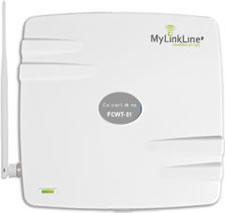
Idaho Elevator Code
Elevator Phone Requirements ASME A17.1
- Two-way communication between elevator and authorized personnel
- On-site communications if over 60 ft of travel
- Communication between the elevator if elevator has remote machine room
- Answer by live authorized personnel – no automated answering
- Communication capability for onsite emergency personnel
- On-site monitoring if staffed 24/7 by authorized personnel
- Location identification on demand to authorized personnel
- Location identification without voice communication
- Hands-free devices only and telephone handsets are not allowed
- Phone automatlly answers when calling into elevator
- Automatic redirect if no answer onsite
- Monitoring the status of local telephone lines and issuing local alerts
Idaho also follows IBC 2018, which includes additional requirements for new elevator installations.
If your elevator travels over 60 feet. A two-way communication system will be installed in the elevator that provides both visible text and audible modes per code requirements. If you’re modernizing the elevator it’s advisable to consult your local Idaho elevator code authority for guidance on the applicable regulations.
- Two-way message display in the elevator cab for hearing and/or speech impaired
A method for authorized personnel to access video footage of passengers from any location within the cabin - A mechanism triggered by emergency personnel to modify the cabin message, signaling that assistance has arrived on-site
Please be advised that we are committed to consistently delivering accurate and current adoption information. We diligently update our records as new Idaho elevator code information becomes available.
Idaho program authority and who is in charge: What owners and contractors should know
Idaho elevator code is administered through the Division of Occupational and Professional Licenses, Elevator Program. Idaho elevator code compliance affects building owners, property managers, and elevator contractors because the rules cover operating, installing, testing, altering, maintaining, and repairing regulated conveyances. The simplest way to stay inspection-ready is to treat compliance like a repeatable workflow, not a one-time event. Keep one folder per property with certificates, inspection history, and corrective actions so you can respond quickly when an inspector or contractor asks for proof.
Statutes and rules that drive enforcement: Where requirements come from
Idaho elevator code is tied to Idaho’s Elevator Safety Code Act and the state rule chapter for safety rules covering elevators, escalators, and moving walks. The rule framework does more than list technical requirements. It also outlines inspection expectations and the process for approving alternate design and construction technology when a project does not fit a standard pattern. For modernization projects, this matters because plan review and acceptance decisions often depend on how clearly your contractor documents what is changing and how code compliance will be verified.
Adopted codes and what changed recently: Planning around updated standards
Idaho elevator code is enforced using adopted national standards, including newer editions that the state began fully enforcing effective July 1, 2025, with certain Idaho-specific exceptions. If you are planning upgrades, treat “which code edition applies” as an early checklist item. Plans submitted on or after that date are reviewed under the newer code unless a prior waiver exists. This is one reason modernization timelines slip: the equipment is ready, but the documentation or plan set is not acceptable for review.
Plan review and acceptance inspections: Avoiding reinspection loops
Idaho elevator code enforcement is tied closely to plan review quality and acceptance inspection readiness. For new installations, fees commonly bundle plan review, a certificate to operate, and acceptance inspections, with additional reinspections billed if the project is not ready. Your best defense is coordination. Confirm who uploads plans, confirm the plans are approved and stamped, and confirm jobsite readiness before inspectors arrive. If your contractor is using machine room less equipment, pay attention to the requirements that can block the certificate to operate at closeout.
Life safety items that stop certificates: What inspectors will not overlook
Idaho elevator code compliance can fail quickly when a life safety item is missing or nonfunctional. Idaho’s life safety list highlights issues that prevent issuance of a certificate to operate, including having a working phone in the elevator, Phase I fire service, required safety string devices, door restrictors, door guides, and passing required tests. Property teams should treat these as non-negotiables during preventive maintenance and before any scheduled inspection. A short pre-inspection walk can reduce repeat visits and keep the cab available for tenants and guests.
Fees, certificates, and recurring compliance: What to track across a portfolio
Idaho elevator code programs publish fee schedules that distinguish new installations from existing conveyances and include an annual certificate to operate fee for existing equipment. The program also notes periodic inspections for existing conveyances on a multi-year cadence. For multi-site portfolios, the practical move is a tracker that includes each conveyance type, certificate renewal timing, inspection timing, and any open deficiencies. This gives property managers a predictable calendar instead of discovering problems when a certificate is about to expire.
Emergency phones and keeping inspections moving: Where MyLinkLine fits
Idaho elevator code expectations include having a working elevator phone, and it is treated as life safety. When phone lines depend on aging copper, repair timelines can delay turnover after modernization or trigger a failed inspection item. Idaho elevator code compliance is easier when emergency communications are reliable and documented. MyLinkLine helps by replacing landlines with cellular elevator phone lines built for code-focused use, plus monitoring options and testing support so your emergency line, call routing, and records stay consistent across every property.
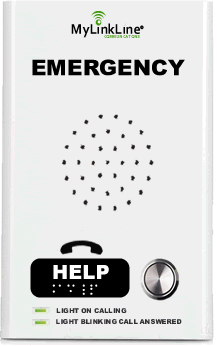
Emergency Elevator Phones
MyLinkLine will only install elevator telephones that meet code requirements. We also comply with ADA, ASME, ANSI and IBC codes in addition to all State and Local requirements if applicable. Volume pricing available.

Elevator Phone Monitoring Service
Our dispatch center has been delivering professional service for over twenty years. Our staff has extensive technical and interpersonal training to assist in emergency and non-emergency situations.

Lifetime Product Warranty
If any part of your elevator telephone(s) or elevator cellular landline fails at any time during your lifetime due to a defect in material or workmanship, we will repair or, at our option, replace the defective device at our cost***
Frequently Asked Questions
Idaho Elevator Code and Inspection Compliance
How does Idaho elevator code enforcement work statewide
Idaho elevator code is enforced through the Division of Occupational and Professional Licenses Elevator Program, which oversees regulated conveyances, inspection activity, and certificates to operate.
Do all elevators need inspections on a recurring schedule
Inspection needs vary by conveyance type and status, and Idaho elevator code requirements are managed through the state program’s inspection and certification process.
Who is allowed to inspect under Idaho elevator code
Idaho elevator code inspection work is handled through the state’s program structure, and your elevator contractor can help coordinate the appropriate inspection path for your equipment.
What is a certificate to operate and why does it matter
A certificate to operate is the state authorization to run the conveyance, and Idaho elevator code compliance is required to receive and keep that certificate current.
When do projects need plan review under Idaho elevator code
Idaho elevator code plan review is commonly required for new installations and certain alterations, so plan review should be treated as part of the project schedule, not an afterthought.
What can cause a failed inspection even when the elevator runs
Common failures involve life safety items, and Idaho elevator code highlights that a working elevator phone and other safety features must meet requirements before a certificate is issued.
Are elevator emergency phones required by Idaho elevator code
Yes, Idaho elevator code treats the phone in the elevator as a life safety item, and a non-functional phone can stop the certificate to operate.
Can we replace a landline with cellular and still comply
Yes, when the setup meets emergency communication expectations, and Idaho elevator code compliance is easier when the phone line is reliable and the documentation is clear.
What should property managers keep on file for inspections
Keep certificates, inspection reports, deficiency corrections, and contact details organized by property and cab so you can respond quickly during inspections.
How does MyLinkLine help teams reduce compliance risk
MyLinkLine supports cellular elevator phone lines, monitoring options, and practical testing support to help keep emergency communications reliable and inspection-ready.
Other Useful MyLinkLine Resources