

Nationwide Code Compliance Support
Kentucky Elevator Code 2026
Regulations & Standards
Switch to Cellular Phone Lines and Save 30% or More!
Find the latest information on Kentucky Elevator Code, laws, and safety standards. Our directories are updated monthly and include website links to help you quickly find the elevator codes and regulations for the state of Kentucky (KY)
Kentucky elevator codes impose a responsibility on building owners and property managers to adhere to specific requirements within elevators, ensuring the safety of all occupants. Failure to comply with these codes can result in penalties and potential legal action. While the particulars of the Kentucky elevator code may differ at the state and local levels, three primary codes govern elevator safety: the American Society of Mechanical Engineers (ASME), the International Building Code (IBC), and the Americans with Disabilities Act (ADA).
ADA
The Americans with Disabilities Act (ADA) mandates unrestricted and equal access to services for individuals with disabilities.
IBC
The International Building Code (IBC) establishes precautions against hazards associated with constructed environments.
ASME
The American Society of Mechanical Engineers (ASME) plays a pivotal role in the development of codes and standards.
ASME A17.1/CSA B44 Safety Code for Elevators and Escalators, specifically referencing the 2022 edition with amendments, alongside its own state regulations (815 KAR 4:010)
Kentucky Elevator Code Authority
Authorities having jurisdiction are those government officials who are the final authority on questions in a particular area (or jurisdiction).
All elevator owners who require a certification should contact an independent inspector who will inspect the unit and witness the annual safety or pressure test.
It is also important to note that ASME A17.1a states that all elevators have the annual pressure or safety test, and, if applicable, the five-year full load test
Elevator Cellular Phone Lines
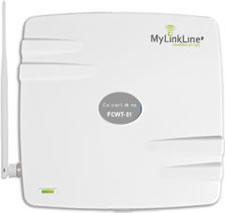
How to eliminate the cost of traditional elevator phone lines and save 35% or more. Our cellular elevator phone lines conform to ASME, ADA, and IBC codes, encompassing all requirements of the Kentucky elevator code.
Kentucky Elevator Code
Elevator Phone Requirements ASME A17.1
- Two-way communication between elevator and authorized personnel
- On-site communications if over 60 ft of travel
- Communication between the elevator if elevator has remote machine room
- Answer by live authorized personnel – no automated answering
- Communication capability for onsite emergency personnel
- On-site monitoring if staffed 24/7 by authorized personnel
- Location identification on demand to authorized personnel
- Location identification without voice communication
- Hands-free devices only and telephone handsets are not allowed
- Phone automatlly answers when calling into elevator
- Automatic redirect if no answer onsite
- Monitoring the status of local telephone lines and issuing local alerts
Kentucky Elevator Oversight
Kentucky elevator code enforcement runs through the Kentucky Department of Housing, Buildings, and Construction, which regulates building construction and life safety statewide, including elevators. For property managers and building owners, that means your compliance path usually starts with the state elevator inspection section for guidance on permits, inspections, and certificates. If you manage multiple sites, treating Kentucky elevator code compliance like a repeatable workflow helps: keep unit details current, track inspection dates, and standardize who responds when an inspector requests documentation or a live test.
Annual Inspections and Certificates
Kentucky elevator code compliance is tied to annual inspections for elevators and related devices, with a certificate of operation issued after a successful inspection. From a practical standpoint, the risk is rarely the inspection itself; it is the scramble beforehand: missing records, unanswered emergency calls, or unclear responsibility between the elevator contractor, property team, and telecom vendor. MyLinkLine helps you reduce that scramble by giving you a clean plan for the elevator emergency line, verification steps, and optional monitoring so you can prove the line is working when Kentucky elevator code inspections come due.
Permits for New Work and Modernization
Any time you install, alter, or relocate an elevator or related device in Kentucky, plan for permit and review steps through the state elevator section. Modernization projects often trigger added coordination because you are aligning the equipment work, inspections, and closeout documentation. Kentucky elevator code requirements also connect to the adopted building code framework and the state’s amendments, so it is smart to confirm expectations before the work begins, not after the cab is back in service. MyLinkLine supports modernization timelines by delivering a code-focused emergency communication solution that installs quickly and stays consistent across locations.
Emergency Phone Readiness for Inspection
A common Kentucky elevator code failure pattern is not the elevator itself; it is the emergency communication system not answering correctly, not identifying the location, or not being testable on demand. Inspectors and building teams want a clear pass fail moment: press the help button, confirm the call reaches the right party, confirm the location information is correct, and document it. Kentucky elevator code readiness improves when you replace unreliable landline dependencies with a dedicated cellular solution and add monitoring when you need proof across many properties. MyLinkLine helps you standardize testing, keep records organized, and keep elevators inspection ready.
Emergency Elevator Phones
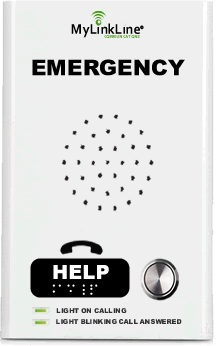
MyLinkLine will only install elevator telephones that meet code requirements. We also comply with ADA, ASME, ANSI and IBC codes in addition to all State and Local requirements if applicable. Volume pricing available.

Elevator Phone Monitoring Service
Our dispatch center has been delivering professional service for over twenty years. Our staff has extensive technical and interpersonal training to assist in emergency and non-emergency situations.

Lifetime Product Warranty
If any part of your elevator telephone(s) or elevator cellular landline fails at any time during your lifetime due to a defect in material or workmanship, we will repair or, at our option, replace the defective device at our cost***
Frequently Asked Questions
Kentucky Elevator Code and Inspection Compliance
How often are elevators inspected in Kentucky?
Most elevators are expected to complete an annual inspection cycle, with the state issuing or renewing the certificate of operation after a successful inspection. Your best move is to track each unit’s due date and schedule early so repairs or documentation do not turn into last-minute fire drills.
Do I need a permit for elevator modernization or relocation?
If you are installing a new elevator, altering major components, or relocating equipment, permit and plan review steps are typically required through the state elevator section. Coordinate early with your elevator contractor so permitting, inspection timing, and closeout paperwork stay aligned.
What should I have ready on inspection day?
Have your prior certificate or records available, confirm the elevator contractor can support the inspection, and make sure the emergency phone can be tested live. If your team manages multiple sites, a simple checklist for each address keeps Kentucky elevator code compliance consistent.
Will inspectors test the elevator emergency phone?
Yes, it is common for emergency communication to be verified during an inspection. The goal is simple: the call must connect properly, reach the right party, and allow responders to identify the elevator location. MyLinkLine helps you confirm this before the inspector arrives.
How can MyLinkLine help with Kentucky elevator code compliance?
MyLinkLine replaces outdated phone lines with a dedicated cellular elevator line designed for code-focused emergency calling, and we can add monitoring if you need ongoing visibility. That means fewer surprises, easier multi-site management, and cleaner documentation when Kentucky elevator code questions come up.
Other Useful MyLinkLine Resources