

Maine Elevator Code 2026
Regulations & Standards
Nationwide Code Compliance Support
Switch to Cellular Phone Lines and Save 30% or More!
Find the latest information on Maine Elevator Code, laws, and safety standards. Our directories are updated monthly and include website links to help you quickly find the elevator codes and regulations for the state of Maine (ME)
Maine elevator codes impose a responsibility on building owners and property managers to adhere to specific requirements within elevators, ensuring the safety of all occupants. Failure to comply with these codes can result in penalties and potential legal action. While the particulars of the Maine elevator code may differ at the state and local levels, three primary codes govern elevator safety: the American Society of Mechanical Engineers (ASME), the International Building Code (IBC), and the Americans with Disabilities Act (ADA).
ADA
The Americans with Disabilities Act (ADA) mandates unrestricted and equal access to services for individuals with disabilities.
IBC
The International Building Code (IBC) establishes precautions against hazards associated with constructed environments.
ASME
The American Society of Mechanical Engineers (ASME) plays a pivotal role in the development of codes and standards.
The State of Maine (ME) currently operates under the 2013 ASME A17.1 and CSA B-44 Code
Maine Elevator Code Authority
Maine is actively in proposed rulemaking to update the applicable national codes, including moving to ASME A17.1 2022, but that is not the current effective standard yet.
Authorities having jurisdiction are those government officials who are the final authority on questions in a particular area (or jurisdiction). The State of Maine ME Office of Professional and Occupational Regulation Elevator Section oversees all elevators in the State of Maine. The Maine Elevator Inspection Section ensures the safe operation of elevators and issues operating certificates after the completion of elevator inspections.
The Board of Elevator and Tramway Safety and created the Elevator and Tramway Safety Program, which is administered by the Director of the Office of Professional and Occupational Regulation. The proposed rules amend all existing chapters by replacing references to the Board with references to the Program and/or Director.
In addition, the proposed rules adopt updated versions of the national codes applicable to the design, construction, installation, maintenance, repair, alteration, operation, and inspection of elevators and tramways.
The national codes are incorporated by reference into the rules. The proposed rules also: (1) change an elevator or tramway owner’s time to apply for new inspection certificates from no later than 30 business days before the current inspection certificate expires to no later than 30 days in Chapters 21 and 23; (2) update the Qualified Elevator Inspector certification requirement in Chapter 31; (3) remove all references to vertical reciprocating conveyors; and (4) make other minor changes and updates (excerpt from state website)
Department of Professional & Financial Regulation
35 State House Station
Augusta, Maine 04333
Maine Elevator Code
Elevator Phone Requirements ASME A17.1
- Two-way communication between elevator and authorized personnel
- On-site communications if over 60 ft of travel
- Communication between the elevator if elevator has remote machine room
- Answer by live authorized personnel – no automated answering
- Communication capability for onsite emergency personnel
- On-site monitoring if staffed 24/7 by authorized personnel
- Location identification on demand to authorized personnel
- Location identification without voice communication
- Hands-free devices only and telephone handsets are not allowed
- Phone automatlly answers when calling into elevator
- Automatic redirect if no answer onsite
- Monitoring the status of local telephone lines and issuing local alerts
Elevator Cellular Phone Lines
How to eliminate the cost of a traditional elevator phone line and save 35% or more
If you’re aiming to decrease elevator phone line expenses, we suggest transitioning to cellular technology. Our cellular elevator phone lines conform to ASME, ADA, and IBC codes, encompassing all requirements of the Maine elevator code.
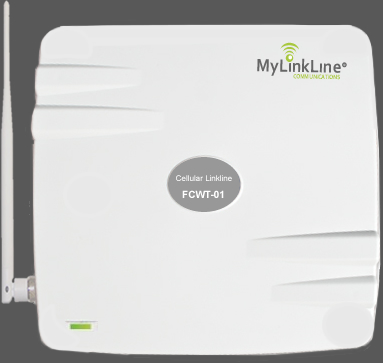
Cellular Connect™
How owners stay approved year after year
In Maine, the annual process is tied to your inspection certificate expiration, so the safest approach is to schedule inspections early and file paperwork with time to spare. The Maine elevator code framework expects the owner to keep documentation current per unit, not per building, which matters when you manage multiple addresses. Build a simple tracker for inspection dates, open corrections, and certificate expirations so renewals do not become last-minute emergencies.
What must be submitted and when
The practical filing steps that prevent late fees
After the inspection is completed, owners submit the annual application and the inspection report with the required fee. Maine guidance also highlights timing, including submitting the renewal package far enough ahead of expiration to avoid late filing problems. When property teams treat Maine elevator code compliance like a recurring workflow instead of a once-a-year scramble, inspections move faster and downtime risk drops.
Working with licensed inspectors and qualified contractors
Credential checks that protect approvals and reduce liability
Maine regulates who can inspect and who can perform elevator work, so verifying credentials before a site visit is a simple win. Confirm the inspector is licensed for Maine and that the contractor and mechanic doing repairs or alterations are properly licensed as well. This protects your schedule because a clean Maine elevator code inspection file is harder to build after the fact, especially when multiple vendors touch the same unit.
Common inspection hang-ups for property teams
Issues that delay certificates and create repeat visits
Most delays come from incomplete paperwork, unresolved corrections, or site readiness problems on inspection day. Keep maintenance records accessible, confirm posted certificates, and close out known issues before the inspector arrives. If the inspector notes violations, treat the report like a punch list with owners, contractors, and the elevator company aligned on dates. This style of Maine elevator code execution helps you avoid extra trips and avoidable delays.
Plan review for alterations and modernization
Keeping upgrades moving without approval surprises
Modernization and alteration work often needs a plan package, not just a field install, especially when safety functions are affected. Maine provides an elevator plan transmittal process to document scope, responsibility, and review needs so the approval path stays clear. When you plan the project around the Maine elevator code workflow, you reduce rework, shorten downtime, and make the final inspection smoother.
Variances for older buildings and unique conditions
A documented path when strict compliance is not practical
If a site condition makes a requirement difficult to meet, Maine offers a formal variance request rather than informal workarounds. A strong variance package clearly shows the constraint and the proposed alternative, with supporting drawings or photos when needed. This keeps Maine elevator code decisions on the record and helps owners avoid disputes during inspections or modernization closeout.
Emergency phone reliability and inspection outcomes
Preventing failures tied to communication problems
Emergency communication is often tested during inspections because it impacts passenger safety and response. If the elevator emergency line fails, you may lose time, fail to complete an item, or be stuck waiting for telecom support. MyLinkLine helps Maine elevator code compliance by replacing aging phone connections with reliable cellular service and offering monitoring so problems are found before an inspection date.
How MyLinkLine supports Maine teams across multiple sites
Standardization that reduces surprises and vendor finger-pointing
Property managers want fewer surprises and a repeatable approach across buildings. MyLinkLine helps you standardize emergency phone connectivity, keep lines active through changes, and simplify reporting when stakeholders ask how you maintain readiness. For Maine elevator code execution, that consistency is useful during renewals, modernization projects, and any time an inspector wants to confirm the emergency line is working as expected.
Frequently Asked Questions
Maine Elevator Code and Inspection Compliance
How often do elevators need to be inspected in Maine
Most owners schedule a periodic inspection annually with a licensed private elevator inspector, then submit the inspection report with the annual inspection certificate application and fee before the certificate expires. This is a per unit process, so multisite portfolios usually track renewals by building and unit location.
Who enforces Maine elevator code requirements
Maine elevator code oversight for licensing, inspections, and certificates runs through the state elevator and tramway safety program, which publishes the owner forms used for renewals and plan submissions.
What should I do if my inspection certificate is close to expiring
Schedule the inspection as early as possible, close any known issues before the visit, and submit the application and inspection report promptly so you are not forced into a last-minute rush.
Do alterations or modernization projects require plan review
Often, yes. Plan submittals help document the scope and keep approvals clean, especially when safety-related components change.
Can I request a variance for an older building condition
Yes. A variance request documents the constraint and proposes an alternative approach that still protects public safety.
Can an emergency phone issue affect Maine elevator code inspections
Yes. Maine elevator code-focused inspections may include emergency communication testing, so an unreliable line can trigger corrections or delays.
How does MyLinkLine help with emergency phone compliance
We replace aging phone connections with reliable cellular service and can add monitoring so issues are detected early. That helps reduce failed tests tied to Maine elevator code inspection timelines.
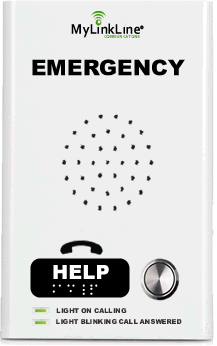
Emergency Elevator Phones
MyLinkLine will only install elevator telephones that meet code requirements. We also comply with ADA, ASME, ANSI and IBC codes in addition to all State and Local requirements if applicable. Volume pricing available.

Elevator Phone Monitoring Service
Our dispatch center has been delivering professional service for over twenty years. Our staff has extensive technical and interpersonal training to assist in emergency and non-emergency situations.
Lifetime Product Warranty
If any part of your elevator telephone(s) or elevator cellular landline fails at any time during your lifetime due to a defect in material or workmanship, we will repair or, at our option, replace the defective device at our cost***
Other Useful MyLinkLine Resources