

Nationwide Code Compliance Support
Maryland Elevator Code 2026
Regulations & Standards
Switch to Cellular Phone Lines and Save 30% or More!
Find the latest information on Maryland Elevator Code, laws, and safety standards. Our directories are updated monthly and include website links to help you quickly find the elevator codes and regulations for the state of Maryland (MD)
Maryland elevator codes impose a responsibility on building owners and property managers to adhere to specific requirements within elevators, ensuring the safety of all occupants. Failure to comply with these codes can result in penalties and potential legal action. While the particulars of the Maryland elevator code may differ at the state and local levels, three primary codes govern elevator safety: the American Society of Mechanical Engineers (ASME), the International Building Code (IBC), and the Americans with Disabilities Act (ADA).
ADA
The Americans with Disabilities Act (ADA) mandates unrestricted and equal access to services for individuals with disabilities.
IBC
The International Building Code (IBC) establishes precautions against hazards associated with constructed environments.
ASME
The American Society of Mechanical Engineers (ASME) plays a pivotal role in the development of codes and standards.
The State of Maryland (MD) currently operates under the 2019 ASME A17.1 and CSA B-44 Code
Maryland Elevator Code Authority
State law requires that the owner re-register their elevator units with the Commissioner annually. The annual re-registration will coincide with the periodic annual inspection. The Safety Inspection Unit will send notice alerting the owner that the periodic annual inspection and re-registration is due. It is the owner’s responsibility to ensure that the elevator unit is re-registered and the periodic annual inspection is performed. Failure to do so is a violation of the law and subject to penalty.
Inspections are conducted in accordance with the American Society of Mechanical Engineers (ASME) Safety Code for Elevators and Escalators, Safety Code for Platform Lifts and Stairway Chairlifts and the American National Standard (ANSI) Safety Code for Personnel Hoists and Employee Elevators for Construction and Demolition Operations. Safety codes become effective on the date adopted by the Commissioner.
The ASME A18.1-2020 Safety Standard for Platform Lifts and Stairway Chairlifts has been adopted with an effective date of 10/2/2023. ASME A17.1 2019 Adopted 10/22/2022. ANSI A10.4 2016 Adopted 7/14/2018. A17.8 Standard for Wind Turbine Tower Elevators Adopted 7/16/2020. NFPA 70 2017 National Electrical Code section 620 Adopted 7/16/2020
State law also requires specific size requirements to accommodate a 6’8″ rescue litter. Elevator units installed in privately owned single family residential dwellings or a building or structure under Federal control or regulation are exempt.
Elevator Division Contact Information
1100 North Eutaw Street
Baltimore, MD 21201
Elevator Cellular Phone Lines
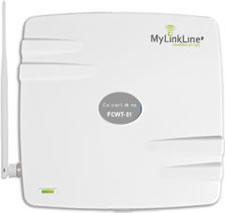
How to eliminate the cost of traditional elevator phone lines and save 35% or more. Our cellular elevator phone lines conform to ASME, ADA, and IBC codes, encompassing all requirements of the Maryland elevator code.
Maryland Elevator Code
Elevator Phone Requirements ASME A17.1
- Two-way communication between elevator and authorized personnel
- On-site communications if over 60 ft of travel
- Communication between the elevator if elevator has remote machine room
- Answer by live authorized personnel – no automated answering
- Communication capability for onsite emergency personnel
- On-site monitoring if staffed 24/7 by authorized personnel
- Location identification on demand to authorized personnel
- Location identification without voice communication
- Hands-free devices only and telephone handsets are not allowed
- Phone automatlly answers when calling into elevator
- Automatic redirect if no answer onsite
- Monitoring the status of local telephone lines and issuing local alerts
Maryland also follows IBC 2018, which includes additional requirements for new elevator installations.
If your elevator travels over 60 feet. A two-way communication system will be installed in the elevator that provides both visible text and audible modes per code requirements. If you’re modernizing the elevator it’s advisable to consult your local Maryland elevator code authority for guidance on the applicable regulations.
- Two-way message display in the elevator cab for hearing and/or speech impaired
A method for authorized personnel to access video footage of passengers from any location within the cabin - A mechanism triggered by emergency personnel to modify the cabin message, signaling that assistance has arrived on-site
Please be advised that we are committed to consistently delivering accurate and current adoption information. We diligently update our records as new Maryland elevator code information becomes available.
Maryland Elevator Code Compliance Answers
Maryland elevator safety oversight
Who regulates elevators, and what gets enforced
In Maryland, elevator safety oversight is built around registration, inspection, and documented compliance. The Maryland elevator code framework ties your responsibilities to keeping each unit registered, keeping inspections current, and resolving deficiencies promptly. For property managers, this usually means treating elevators like other life safety systems with an annual rhythm of planning, vendor coordination, and recordkeeping. For contractors, it means aligning schedules and closeout documentation so the authority can issue approvals without delays.
Annual registration and inspection planning
Avoid lapses by planning inspection windows early
Maryland requires owners to keep elevator units registered and to complete periodic inspections on schedule. The Maryland elevator code process works best when you treat inspections as a calendar-driven requirement, not a last-minute event. Build lead time for third-party inspections, mechanic testing where required, and repairs that may be needed before the unit can pass. A simple tracking list across your portfolio helps prevent expirations and reduces the risk of an inspection certificate delay.
Inspection certificates and renewals
Keep certificates current, visible, and easy to retrieve
Inspection certificates are the proof point that your elevator is in compliance, and they tend to be the first thing requested during audits, turnovers, and incident reviews. Under Maryland elevator code expectations, your job is to keep your certificate status current and ensure you can produce documentation fast when asked. If you manage multiple buildings, standardize how you store certificates, testing records, and deficiency closeout notes so you are never hunting through emails when an inspector or tenant calls.
Modernization, alterations, and closeout steps
Reduce project delays with documentation ready to go
Alterations and modernization work can trigger additional review and acceptance steps, especially when safety devices, controls, or communication equipment are involved. The Maryland elevator code environment rewards clean closeout packages that show what changed, what was tested, and what is now installed. Contractors can protect schedules by confirming inspection availability early and by collecting documentation as the project progresses, not at the end. Owners can reduce downtime by asking for a compliance checklist before the work begins.
Qualified professionals and licensing
Match the work to properly credentialed people
Maryland differentiates the roles of inspection and testing, and your team should too. The Maryland elevator code approach relies on qualified inspection professionals and properly licensed elevator mechanics for the work and testing that support compliance. For owners, this means confirming who is responsible for each deliverable before the inspection date. For elevator contractors, it means making sure test forms, results, and corrective actions are complete and consistent so the inspector can verify quickly.
Variances and special situations
How to handle exceptions without risking compliance
Some buildings have constraints that make strict compliance difficult, especially during phased modernization or unique site conditions. In those cases, the Maryland elevator code process may involve requesting a variance or alternate method approval, backed by clear documentation and a safety rationale. Owners should treat variance requests as formal projects with timelines, not informal conversations. Contractors should document what is being requested, why, and how safety is maintained so the authority can evaluate it efficiently.
Emergency communication readiness
Make sure elevator calls work every time, including during outages
Elevator emergency communication is a real-world compliance issue, not just a box to check. The Maryland elevator code focuses on reliable two-way communication, which means you need working equipment, clear call routing, and testing records that prove performance. Power issues, telecom outages, and unmanaged line changes are common reasons systems fail at the worst time. A practical plan includes periodic call testing, documented results, and a clear owner contact path for repairs when a phone fails.
How MyLinkLine supports compliance in Maryland
Cellular elevator phone lines and monitoring support without the landline headaches
MyLinkLine helps owners and contractors reduce risk around elevator phone reliability, which is a frequent inspection and safety pain point. When a site is moving away from copper, Maryland elevator code compliance gets easier when you standardize on a dedicated cellular elevator phone line with battery backup and clear testing procedures. If you need managed response, MyLinkLine also offers elevator phone monitoring so emergency calls can reach trained personnel and events can be handled consistently across a portfolio. Maryland elevator code readiness improves when communication is stable, documented, and easy to support.
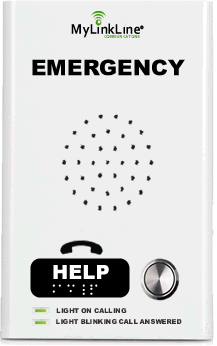
Emergency Elevator Phones
MyLinkLine will only install elevator telephones that meet code requirements. We also comply with ADA, ASME, ANSI and IBC codes in addition to all State and Local requirements if applicable. Volume pricing available.

Elevator Phone Monitoring Service
Our dispatch center has been delivering professional service for over twenty years. Our staff has extensive technical and interpersonal training to assist in emergency and non-emergency situations.
Lifetime Product Warranty
If any part of your elevator telephone(s) or elevator cellular landline fails at any time during your lifetime due to a defect in material or workmanship, we will repair or, at our option, replace the defective device at our cost***
Frequently Asked Questions
Maryland Elevator Code and Inspection Compliance
What code edition is Maryland using today for elevator safety inspections under Maryland elevator code
Maryland’s elevator safety program references ASME A17.1 as the adopted safety code for elevators and escalators. Always confirm the currently adopted edition before a major project or equipment change, because adoption updates can occur and affect modernization scope, testing, and documentation.
How often do elevators need to be inspected and registered
Most owners plan for an annual cycle that includes re-registration and a periodic inspection. If you manage multiple sites, build a rolling schedule so inspections and repairs are not stacked into the same month. Keep your vendor contacts and documentation in one place so renewal steps are repeatable.
What is the difference between inspection and testing
Inspection is the compliance verification performed by the inspector, while testing is typically performed by the elevator mechanic to demonstrate that safety functions operate correctly. Coordinate both so the inspector can review test evidence during the inspection visit and avoid a failed or deferred outcome.
When does a modernization or alteration need added review under Maryland elevator code
If the project changes safety-related equipment, communication devices, controls, or other core components, you should expect added documentation and an acceptance step before returning the unit to service. Confirm expectations early so the project plan includes inspection scheduling, test coordination, and closeout paperwork.
Can an owner request a variance
Yes, variances are sometimes pursued when site conditions make strict compliance impractical. Treat a variance like a documented compliance request with clear justification and a safety plan. Keep written approvals with your elevator records, and ensure vendors understand any conditions attached to the approval.
How does MyLinkLine help with elevator phone compliance
MyLinkLine focuses on cellular elevator phone lines and monitoring support that reduces the risk of phone failures tied to aging landlines and unmanaged carrier changes. If Maryland elevator code compliance hinges on reliable two-way communication, a dedicated cellular solution with battery backup, plus consistent testing and records, can reduce surprises during inspections and emergencies.
Other Useful MyLinkLine Resources