

Nationwide Code Compliance Support
Mississippi Elevator Code | 2026
Regulations & Standards
Switch to Cellular Phone Lines and Save 30% or More!
Find the latest information on Mississippi Elevator Code, laws, and safety standards. Our directories are updated monthly and include website links to help you quickly find the elevator codes and regulations for the state of Mississippi (MS)
Mississippi elevator codes impose a responsibility on building owners and property managers to adhere to specific requirements within elevators, ensuring the safety of all occupants. Failure to comply with these codes can result in penalties and potential legal action. While the particulars of the Mississippi elevator code may differ at the state and local levels, three primary codes govern elevator safety: the American Society of Mechanical Engineers (ASME), the International Building Code (IBC), and the Americans with Disabilities Act (ADA).
ADA
The Americans with Disabilities Act (ADA) mandates unrestricted and equal access to services for individuals with disabilities.
IBC
The International Building Code (IBC) establishes precautions against hazards associated with constructed environments.
ASME
The American Society of Mechanical Engineers (ASME) plays a pivotal role in the development of codes and standards.
The State of Mississippi (MS) currently operates under the 2022 ASME A17.1 and CSA B-44 Code
Mississippi Elevator Code Authority
Authorities having jurisdiction are those government officials who are the final authority on questions in a particular area (or jurisdiction). The Mississippi Conveyance Safety Act – The purpose of this act is to provide for the safety of conveyance equipment and personnel, and to promote public safety awareness. This act establishes the minimum standards for conveyance personnel and services.
The use of unsafe or defective lifting devices imposes a substantial probability of serious and preventable injury to employees and the public. The prevention of these injuries and protection of employees and the public from unsafe conditions is in the best interest of the people of this state.
Conveyance personnel performing work covered by this act shall, by documented training and/or experience, be familiar with the operation and safety functions of the components and equipment. Training and experience shall include, but not be limited to, recognizing the safety hazards and performing the procedures required under this act.
Elevator Division Contact Information
Elevator Cellular Phone Lines
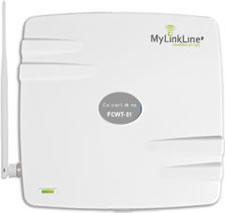
How to eliminate the cost of traditional elevator phone lines and save 35% or more. Our cellular elevator phone lines conform to ASME, ADA, and IBC codes, encompassing all requirements of the Mississippi elevator code.
Mississippi Elevator Code
Elevator Phone Requirements ASME A17.1
- Two-way communication between elevator and authorized personnel
- On-site communications if over 60 ft of travel
- Communication between the elevator if elevator has remote machine room
- Answer by live authorized personnel – no automated answering
- Communication capability for onsite emergency personnel
- On-site monitoring if staffed 24/7 by authorized personnel
- Location identification on demand to authorized personnel
- Location identification without voice communication
- Hands-free devices only and telephone handsets are not allowed
- Phone automatlly answers when calling into elevator
- Automatic redirect if no answer onsite
- Monitoring the status of local telephone lines and issuing local alerts
Mississippi also follows IBC 2019, which includes additional requirements for new elevator installations.
If your elevator travels over 60 feet. A two-way communication system will be installed in the elevator that provides both visible text and audible modes per code requirements. If you’re modernizing the elevator it’s advisable to consult your local Mississippi elevator code authority for guidance on the applicable regulations.
- Two-way message display in the elevator cab for hearing and/or speech impaired
A method for authorized personnel to access video footage of passengers from any location within the cabin - A mechanism triggered by emergency personnel to modify the cabin message, signaling that assistance has arrived on-site
Please be advised that we are committed to consistently delivering accurate and current adoption information. We diligently update our records as new Mississippi elevator code information becomes available.
Code Compliance Guidelines
-
Who Regulates Elevators in Mississippi
Under the Mississippi Elevator Code, oversight sits with the Mississippi Insurance Department’s conveyance safety program, which sets the compliance baseline for elevators, escalators, and related equipment. For property managers and building owners, the practical takeaway is simple: treat state rules as the minimum standard, keep clear records, and work with licensed professionals who can document inspections, repairs, and any modernization work. -
What “Code Year” Really Means Here
The Mississippi Elevator Code is not a one time adoption that stays frozen forever. Mississippi’s rules are written to adopt updated editions of nationally recognized safety standards on a rolling basis, which means requirements can shift as new editions become effective. For your compliance plan, that means you should confirm the applicable edition before major work, especially if you are modernizing, changing controls, or modifying emergency communications. -
Annual Inspections and Certificates
The Mississippi Elevator Code framework relies on routine safety inspections and a Certificate of Operation that supports ongoing use. Owners should plan for recurring inspections, keep the certificate posted where required, and build a renewal calendar so nothing lapses. When you manage multiple properties, a simple asset list with inspection date, certificate status, and contractor contact prevents last minute scrambles and downtime risk. -
Registration and Owner Accountability
Under the Mississippi Elevator Code rules, owners or lessees are responsible for registering conveyances and keeping information current. This matters because inspection scheduling, certificate issuance, and enforcement actions depend on accurate owner and site details. If a property changes hands or management companies rotate, make registration updates part of the closeout checklist so compliance does not get lost in transition. -
Permits for Installations and Alterations
The Mississippi Elevator Code requires permits for elevator work covered by the rules, and permit applications generally include plans, specifications, and fees. Permits can be revoked for misstatements or noncompliant work, and they can expire if work does not start within the allowed window, so contractors should not treat the permit step as paperwork only. Repairs may be treated differently than alterations, so classify the scope correctly before work begins. -
Plan Review for Modernization Work
Under the Mississippi Elevator Code rules, plan review is required before installing new equipment or altering existing equipment, and approvals must be in place before work starts. This is especially important for modernization projects because changes like speed, capacity, travel, classification, or machine relocation can trigger deeper review. A good plan review packet reduces callbacks: clear drawings, accurate dimensions, and a scope narrative that matches what will be installed. -
Licensing and Qualified Professionals
The Mississippi Elevator Code system ties compliance to licensed mechanics, contractors, and inspectors. Licenses run on a renewal cycle and can require continuing education, so building owners should confirm licensing status before awarding work and before scheduling inspections. For inspectors, qualifications are linked to recognized standards, and for contractors, insurance documentation is part of staying in good standing. -
Variances and Special Situations
The Mississippi Elevator Code allows a formal variance path in limited circumstances, including situations tied to historical character, where an alternative solution can still meet the intent of the code. A variance request does not automatically pause compliance obligations unless the Administrator grants an extension, so do not assume “variance submitted” equals “variance approved.” Treat variances like a project: written justification, supporting documentation, and a timeline. -
Emergency Communication Reliability
The Mississippi Elevator Code incorporates nationally recognized safety standards that address emergency communications, which makes reliability a compliance issue, not just a convenience. If you are replacing copper lines, modernizing equipment, or managing spotty service areas, document how passengers will connect to authorized help during an emergency and how the system will be maintained. Reliability planning should include power, coverage, and response handling. -
How MyLinkLine Supports Compliance
For Mississippi Elevator Code compliance, MyLinkLine supports the emergency communications side by installing elevator telephones intended to meet code requirements and offering cellular elevator phone line options designed to align with common ASME, ADA, and IBC expectations. MyLinkLine also offers an elevator phone monitoring service with a dispatch center team trained to assist in emergency and non emergency situations, helping owners maintain a consistent response path and reduce the risk of missed calls when a passenger needs help.
Emergency Elevator Phones
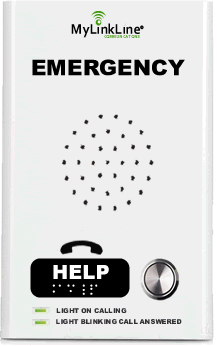
MyLinkLine will only install elevator telephones that meet code requirements. We also comply with ADA, ASME, ANSI and IBC codes in addition to all State and Local requirements if applicable. Volume pricing available.

Elevator Phone Monitoring Service
Our dispatch center has been delivering professional service for over twenty years. Our staff has extensive technical and interpersonal training to assist in emergency and non-emergency situations.
Lifetime Product Warranty
If any part of your elevator telephone(s) or elevator cellular landline fails at any time during your lifetime due to a defect in material or workmanship, we will repair or, at our option, replace the defective device at our cost***
Frequently Asked Questions
Elevator Code and Inspection Compliance
What is the main Mississippi agency I should contact about elevator compliance?
Mississippi’s statewide program is tied to the Mississippi Insurance Department’s conveyance safety oversight, which sets baseline requirements for inspections, licensing, and certificates.
Does the Mississippi Elevator Code require an annual certificate?
In general, elevator operations depend on staying current with required inspections and keeping the operating certificate current and properly displayed.
When should I pull permits for elevator work?
Permits are typically required for covered work like installations and alterations, while repairs may be treated differently, so the safest move is to confirm scope classification before work starts.
How do I keep elevator emergency calls reliable after removing landlines?
Treat emergency communications as a compliance function: confirm connectivity, document how calls route to authorized help, and use a MyLinkLine solution that is installed and supported with code requirements in mind.
Other Useful MyLinkLine Resources