

Nationwide Code Compliance Support
Missouri Elevator Code 2026
Regulations & Standards
Why wait! Get a fast online Quote Now!
Find the latest information on Missouri Elevator Code, laws, and safety standards. Our directories are updated monthly and include website links to help you quickly find the elevator codes and regulations for the state of Missouri (MO)
Missouri elevator codes impose a responsibility on building owners and property managers to adhere to specific requirements within elevators, ensuring the safety of all occupants. Failure to comply with these codes can result in penalties and potential legal action. While the particulars of the Missouri elevator code may differ at the state and local levels, three primary codes govern elevator safety: the American Society of Mechanical Engineers (ASME), the International Building Code (IBC), and the Americans with Disabilities Act (ADA).
ADA
The Americans with Disabilities Act (ADA) mandates unrestricted and equal access to services for individuals with disabilities.
IBC
The International Building Code (IBC) establishes precautions against hazards associated with constructed environments.
ASME
The American Society of Mechanical Engineers (ASME) plays a pivotal role in the development of codes and standards.
The State of Missouri (MO) currently operates under the 2016 ASME A17.1 and CSA B-44 Code
Missouri Elevator Code Authority
Missouri’s elevator safety rules and regulations require that each elevator and related equipment within the scope of the Missouri Elevator Safety Act be registered with the Division of Fire Safety and be inspected annually by a Missouri state-licensed inspector.
As part of the inspection process, each elevator must be tested annually according to the A17.1 code by a person qualified to perform such tests and who is employed or under contract by the owner.
This test shall be witnessed by the state-licensed inspector. The rules are contained in the Missouri Elevator Safety Act, which was enacted in 1994 and placed statutory enforcement responsibility with the Division of Fire Safety, Office of the State Fire Marshal.
Elevator Division Contact Information
Registration
Registration of applicable equipment must be submitted on forms provided by the division. Failure to register with the division may result in a penalty being assessed as prescribed by law. Registration will include but is not limited to, the type of unit, contract load and speed, name of manufacturer, location, and the purpose for which it is used.
Inspections
Any owner, operator, lessee, or its agent is responsible for obtaining an annual safety inspection witnessed by a state-licensed elevator inspector. The inspector must be certified by the Missouri Elevator Code Authority / Elevator Safety Board and possess QEI (Qualified Elevator Inspector) certification or approved equivalency. To become QEI certified, inspectors must pass a written examination administered by an association accredited by a nationally recognized certification entity.
Upon receipt of an approved safety inspection and test data, if applicable, the division will issue a state-operating certificate for the respective equipment. No elevator or related equipment shall operate in Missouri without a state operating certificate. Violation of this section may result in misdemeanor criminal charges.
New Installations & Alterations
The Elevator Safety Act also requires the Missouri Elevator Code Authority / Missouri Division of Fire Safety to issue an installation or alteration permit upon review and approval of plans for new installations or alterations. Please mail all new installation and alteration plans to the Division of Fire Safety, Elevator Safety Unit, P.O. Box 844, Jefferson City, MO 65102.
There are exceptions to the plan review process for units located in municipalities that contract with St. Louis County and for all units located in Kansas City. However, while the city of Kansas City does not require the inspection of dumbwaiters, state law requires an annual safety inspection of this equipment type to be conducted by a state-licensed elevator inspector.
Existing Installations
Within a political subdivision or municipality that had adopted an edition of the A17.1, A17.2, A90.1, or A10.4 codes prior to August 1994, the annual inspection and witnessing of applicable tests shall be performed by local officials according to the code adopted when the equipment was installed. In areas with no elevator equipment code in effect prior to August 1994, the Missouri minimum standard set forth in 11 CSR 40-5.065 will be applied to all existing elevators and applicable equipment installed prior to July 1, 1999. (excerpt from the Missouri Elevator Code Authority state website)
Elevator Cellular Phone Lines
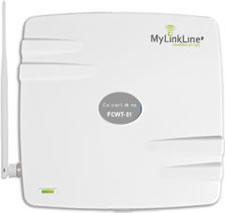
How to eliminate the cost of traditional elevator phone lines and save 35% or more. Our cellular elevator phone lines conform to ASME, ADA, and IBC codes, encompassing all requirements of the Missouri elevator code.
Missouri Elevator Code
Elevator Phone Requirements ASME A17.1
- Two-way communication between elevator and authorized personnel
- On-site communications if over 60 ft of travel
- Communication between the elevator if elevator has remote machine room
- Answer by live authorized personnel – no automated answering
- Communication capability for onsite emergency personnel
- On-site monitoring if staffed 24/7 by authorized personnel
- Location identification on demand to authorized personnel
- Location identification without voice communication
- Hands-free devices only and telephone handsets are not allowed
- Phone automatlly answers when calling into elevator
- Automatic redirect if no answer onsite
- Monitoring the status of local telephone lines and issuing local alerts
Missouri also follows IBC 2019, which includes additional requirements for new elevator installations.
If your elevator travels over 60 feet. A two-way communication system will be installed in the elevator that provides both visible text and audible modes per code requirements. If you’re modernizing the elevator it’s advisable to consult your local Missouri elevator code authority for guidance on the applicable regulations.
- Two-way message display in the elevator cab for hearing and/or speech impaired
A method for authorized personnel to access video footage of passengers from any location within the cabin - A mechanism triggered by emergency personnel to modify the cabin message, signaling that assistance has arrived on-site
Please be advised that we are committed to consistently delivering accurate and current adoption information. We diligently update our records as new Missouri elevator code information becomes available.
Code Compliance Guidelines
Compliance Snapshot
Missouri Elevator Code is enforced through a state program that expects elevators and related conveyances to be registered, inspected, and kept in safe operating condition. For most owners, Missouri Elevator Code expectations are easiest to meet when you treat compliance like a calendar process, schedule the annual safety inspection, complete required tests, and keep the operating certificate current so the unit can legally run.
Who Enforces It
In Missouri, the state program sits with the Division of Fire Safety and an Elevator Safety Board that sets minimum safety standards and licensing expectations. Missouri Elevator Code compliance may also involve local jurisdictions when a city or county has its own ordinance, but the state operating certificate remains the key credential that keeps equipment in service.
Which Code Edition Applies
Missouri Elevator Code is not a single one size fits all year for every unit. Newer installations follow Missouri Elevator Code requirements tied to the state adopted edition for new work, while many existing units are inspected to the edition in effect when they were installed, plus Missouri minimum standards that apply statewide. This is why upgrade scope and install date matter in planning inspections and modernization.
Annual Inspection Planning
Missouri Elevator Code annual inspections typically include both the physical inspection and witnessing of required tests by a licensed inspector. Owners and property managers should treat Missouri Elevator Code scheduling as a hard deadline, then confirm who will perform the test work, what documentation the inspector expects, and how quickly corrections must be completed if violations are found so a certificate is not delayed.
Operating Certificates and Renewals
Missouri Elevator Code requires a current state operating certificate for elevators and covered equipment. The practical workflow is to schedule Missouri Elevator Code renewals early, submit the inspection results and any required test data promptly, then track the certificate issue date so renewals do not collide with tenant move ins, seasonal peaks, or major project closeouts.
Permits for Alterations and Modernization
Missouri Elevator Code ties alterations and new installations to permit and plan review expectations. Before you change equipment, Missouri Elevator Code planning should start with the permit scope, then align scope with the authority having jurisdiction and prepare drawings and submittals that match the permit requirements. Early plan review reduces rework, failed finals, and schedule drift during modernization.
Licensed People and Clear Roles
Missouri Elevator Code compliance depends on using qualified, properly licensed parties for inspection, testing, and certain categories of work. Property managers can reduce friction by setting roles in writing: who schedules the inspector, who provides the mechanic for testing, who owns corrections, and who submits final documentation for certificate issuance.
Variances and Exceptions
Missouri Elevator Code allows a variance path when strict compliance is impractical, but variances are not a shortcut. Treat them like a documented safety case: define the constraint, propose an equivalent level of safety, and keep the approval with your equipment records. When ownership changes, a well documented variance file prevents surprises at the next inspection.
Local Ordinances and Statewide Consistency
Missouri Elevator Code can intersect with local programs in places that already enforce an ordinance that meets or exceeds state requirements. Even then, you should confirm how Missouri Elevator Code interacts with local enforcement, and plan around statewide expectations for inspection documentation and operating certificates, and verify whether special cases apply to certain equipment types in specific cities so you avoid last minute compliance gaps.
Emergency Communications Reliability
Missouri Elevator Code compliance includes making sure passengers can reach authorized help when they press the emergency button. Reliability means Missouri Elevator Code emergency communication performance is consistent, so the call connects every time, audio is intelligible, equipment works hands free, and responders can identify location quickly. If you are moving off legacy copper, confirm power, signal, and monitoring so the system performs during outages.
How MyLinkLine Supports Compliance
Missouri Elevator Code readiness improves when emergency communications are predictable and testable. MyLinkLine provides cellular elevator phone line solutions and monitoring services described on our site as designed to align with ASME, ADA, and IBC expectations and to help replace traditional phone lines. We also provide elevator phone testing guidance so teams can verify performance and document results during routine checks.
Recordkeeping That Holds Up
Missouri Elevator Code outcomes get easier when records are organized: registration details, last inspection report, test logs, correction receipts, permit approvals, and the current operating certificate. Build a simple compliance folder that supports Missouri Elevator Code documentation, then add a renewal reminder cadence. Clean records lower inspection time, reduce repeat findings, and protect you during audits or sales.
Inspection Ready Playbook
Before the inspector arrives, confirm machine room access, pit access, fire service keys, and any required lockout procedures. Make sure the maintenance provider is ready to perform the annual test work and that the inspector knows who is witnessing what. If your site uses a third party for phone monitoring or communications, run a live call test and document the result. A clean, safe work area and complete records can turn a stressful day into a predictable sign off.
Test Data and Witnessing
Annual compliance is not just a visual check. Certain safety devices and operating modes require periodic testing and documented results, and those tests may need to be performed by qualified personnel while the licensed inspector witnesses and records outcomes. Coordinate test scheduling so equipment downtime is minimized, and confirm whether any special tools or procedures are required. When test data is submitted quickly, certificates are issued faster and tenant impact is reduced.
Corrections and Reinspection Strategy
If the inspector writes violations, prioritize anything that affects safe operation or could trigger a shutdown risk. Create a tight correction plan with dates, assign one point of contact, and keep photo evidence and invoices in the unit file. If a reinspection is required, schedule it as soon as corrections are complete and keep the inspector informed. This approach reduces repeat findings and prevents small issues from turning into extended outages.
Budgeting and Vendor Coordination
Build an annual compliance budget that includes the inspection fee, any test labor, small parts, and a reserve for common repairs that come up during inspections. If you manage multiple properties, standardize your vendor list and documentation templates so every site runs the same playbook. Keeping the same inspection and maintenance partners can also shorten learning curves, because they already know your equipment history and how your team prefers to communicate.
Modernization Scope Control
When you modernize, scope clarity is everything. Define what is being replaced, what will stay, and what code triggers may apply when components change. Plan for lead times on controllers, door operators, and communications equipment, then align the project schedule with permit review and inspection availability. A phased approach can reduce downtime, but only if submittals and field changes are controlled. Document every approved change so the final inspection matches the installed work.
Tenant and Staff Communication
Inspections and testing often require taking elevators out of service, so plan the human side as carefully as the technical side. Notify tenants and staff ahead of time, post signage during downtime, and coordinate with accessibility needs for people who rely on elevators. If you run a hotel or healthcare facility, consider scheduling during low impact windows. Clear communication reduces complaints and keeps teams focused on a safe, compliant outcome.
Emergency Elevator Phones
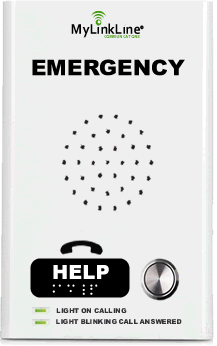
MyLinkLine will only install elevator telephones that meet code requirements. We also comply with ADA, ASME, ANSI and IBC codes in addition to all State and Local requirements if applicable. Volume pricing available.

Elevator Phone Monitoring Service
Our dispatch center has been delivering professional service for over twenty years. Our staff has extensive technical and interpersonal training to assist in emergency and non-emergency situations.

Lifetime Product Warranty
If any part of your elevator telephone(s) or elevator cellular landline fails at any time during your lifetime due to a defect in material or workmanship, we will repair or, at our option, replace the defective device at our cost***
Frequently Asked Questions
Elevator Code and Inspection Compliance
How do I know which code edition my elevator will be inspected to under Missouri Elevator Code?
Start with the elevator’s installation or major alteration date and ask your inspector which standard applies to that equipment class. Under Missouri Elevator Code, many units are inspected to the edition in effect when they were installed, along with state minimum standards that apply statewide. If you are planning modernization, confirm whether the scope triggers newer requirements so you can budget for compliance upgrades before the project mobilizes.
How often are inspections required and who schedules them?
Most properties treat it as an annual cycle. The owner or the owner’s agent typically schedules a state licensed inspector, and the maintenance provider coordinates any required testing that must be witnessed. Build a recurring reminder well ahead of the certificate expiration window so you are not trying to find inspection availability at the last minute.
What happens if my operating certificate expires?
Running equipment without a current certificate can create compliance exposure and operational risk. If you discover a lapse, schedule an inspection immediately, complete any required corrections quickly, and keep documentation organized so certificate issuance is not delayed. For critical buildings, build extra lead time into your schedule so renewals are completed before peak occupancy periods.
Do alterations or modernization projects need permits and plan review under Missouri Elevator Code?
Yes, and it is easier when permit scope is defined early. Before you change controllers, door equipment, safety devices, or communications, ask what drawings and submittals are required and how the authority wants them delivered. Coordinating plan review with your contractor’s schedule reduces rework and helps keep the final inspection aligned with the approved plans.
Can I request a variance for an unusual condition?
A variance may be available when strict compliance is impractical, but you should treat it as a formal approval process, not an informal exception. Document the condition, propose an equivalent level of safety, and keep the written approval with your unit records. This avoids confusion during future inspections or when the property changes hands.
What does the state expect from elevator emergency phones?
At a practical level, Missouri Elevator Code emergency communications should connect reliably to authorized help, audio should be clear, and the system should be usable without needing a handset. If you are replacing legacy phone service, confirm power, signal, and testing routines so the system performs during outages and real emergencies, not just during a quick spot check.
How can MyLinkLine help me stay compliant?
MyLinkLine supports reliability and documentation by providing cellular elevator phone line solutions and monitoring services, plus practical testing guidance your team can use during routine checks. If you are moving away from traditional phone lines, a cellular approach can simplify site readiness by reducing dependence on aging copper infrastructure while still supporting clear two-way communication and consistent performance.
Other Useful MyLinkLine Resources