

Nationwide Code Compliance Support
Texas Elevator Code 2026
Regulations & Standards
Switch to Cellular Phone Lines and Save 30% or More!
Find the latest information on Texas Elevator Code, laws, and safety standards. Our directories are updated monthly and include website links to help you quickly find the elevator codes and regulations for the state of Texas (TX)
Texas elevator codes impose a responsibility on building owners and property managers to adhere to specific requirements within elevators, ensuring the safety of all occupants. Failure to comply with these codes can result in penalties and potential legal action. While the particulars of the Texas elevator code may differ at the state and local levels, three primary codes govern elevator safety: the American Society of Mechanical Engineers (ASME), the International Building Code (IBC), and the Americans with Disabilities Act (ADA).
ADA
The Americans with Disabilities Act (ADA) mandates unrestricted and equal access to services for individuals with disabilities.
IBC
The International Building Code (IBC) establishes precautions against hazards associated with constructed environments.
ASME
The American Society of Mechanical Engineers (ASME) plays a pivotal role in the development of codes and standards.
The State of Texas (TX) currently operates under the 2016 ASME A17.1 and CSA B-44 Code
Older equipment or projects can still be evaluated under earlier editions based on timing and scope
Texas Elevator Code Authority
Authorities having jurisdiction are those government officials who are the final authority on questions in a particular area (or jurisdiction).
The State of Texas TX Department of Licensing and Regulation Elevator Inspection Section oversees all elevators in the State. The Texas Commission of Licensing and Regulation adopted amendments and a new rule to existing rules regarding the Elevators, Escalators, and Related Equipment program (16 Texas Administrative Code, Chapter 74). The adopted rule chapter will be made available upon its effective date of February 15, 2016. (excerpt from state website)
Texas Department of Licensing and Regulation
Regulation Elevators Program
P.O. Box 12157
Austin, Texas 78711
Elevator Cellular Phone Lines
How to eliminate the cost of traditional elevator phone lines and save 35% or more. Our cellular elevator phone lines conform to ASME, ADA, and IBC codes, encompassing all requirements of the Texas elevator code.

Please be advised that we are committed to consistently delivering accurate and current adoption information. We diligently update our records as new Texas elevator code information becomes available.
Texas Elevator Code – Elevator Phone Requirements ASME A17.1
- Two-way communication between elevator and authorized personnel
- On-site communications if over 60 ft of travel
- Communication between the elevator if elevator has remote machine room
- Answer by live authorized personnel – no automated answering
- Communication capability for onsite emergency personnel
- On-site monitoring if staffed 24/7 by authorized personnel
- Location identification on demand to authorized personnel
- Location identification without voice communication
- Hands-free devices only and telephone handsets are not allowed
- Phone automatlly answers when calling into elevator
- Automatic redirect if no answer onsite
- Monitoring the status of local telephone lines and issuing local alerts
Code Compliance Guidelines
State oversight and where the rules live
Texas Elevator Code compliance is overseen through TDLR and the Texas Administrative Code Chapter 74, so owners and contractors should treat Texas Elevator Code as both a safety framework and a regulatory checklist. Keep your compliance file pointed to the current rule text, because administrative rules can be amended even when your equipment stays the same. A quick quarterly check protects you from missed renewals, inspection lapses, and last-minute project delays that hit schedules and budgets.
What “adopted code” means in real life
Texas Elevator Code adoption sets the baseline technical standards for installation, alteration, testing, and ongoing safety, and Texas Elevator Code enforcement is typically tied to inspection results and required filings. For many properties, the practical impact is that modernization scope and documentation matter just as much as the hardware, because reviewers look for clear evidence the work aligns with adopted requirements. Treat the code edition as the starting point, then manage the details through records, labels, and submittals.
Inspections and the Certificate of Compliance
Texas Elevator Code expectations are enforced through periodic inspections and required submissions to keep the unit authorized for use, and Texas Elevator Code compliance is not complete until the inspection report and required items are filed and accepted. In Texas, the Certificate of Compliance is a key document you will want posted and easy to produce during audits or tenant requests. Build a repeatable renewal process so inspections, filings, and certificate posting never rely on memory.
Renewals, deadlines, and avoiding late filings
Texas Elevator Code programs are unforgiving when paperwork drifts, and Texas Elevator Code planning should include calendar controls for inspection dates, filing windows, and internal reminders for property teams. Late fees and follow-up cycles create unnecessary cost and create risk of a unit being treated as noncompliant during enforcement activity. A simple workflow helps: schedule inspection, collect documents, file promptly, confirm acceptance, then archive the confirmation in one shared location.
Posting requirements and documentation readiness
Texas Elevator Code compliance is easier when documentation is organized before you need it, and Texas Elevator Code readiness means your posted certificate matches what is on file. Keep a single “elevator compliance binder” per property with inspection history, contractor details, test documentation, and any correspondence tied to repairs or modernization. When ownership changes or a new manager takes over, that binder prevents gaps that lead to missed filings or repeated violations.
Plan review for new installations
Texas Elevator Code plan review is a common source of schedule risk, and Texas Elevator Code success starts with submitting complete drawings and the details reviewers expect before work begins. Treat plan review as a project milestone with lead time, not an administrative afterthought. When drawings, rated information, and layouts are clear and consistent, approvals move faster, and inspections are less likely to stall due to mismatched field conditions.
Alterations and modernization submittals
Texas Elevator Code modernization work often triggers additional review expectations, and Texas Elevator Code compliance is strengthened when the scope of work is documented clearly, in plain language, before crews mobilize. A strong scope letter should describe each alteration and tie it to the equipment and location, so inspectors and reviewers are not left guessing. This reduces rework, prevents inspection delays, and helps owners defend why the work performed matches what was approved.
Who must be registered and why it matters
Texas Elevator Code compliance relies on properly registered contractors and inspectors, and Texas Elevator Code risk increases when work is performed or signed off by parties who are not authorized. Owners should verify registrations early, especially for multi-site portfolios where teams rotate vendors. Contractors benefit too, because clean registration documentation avoids administrative stops that can hold a unit out of service longer than necessary.
Variances, waivers, and delays
Texas Elevator Code issues do not always fit neatly into a checklist, and Texas Elevator Code pathways can include formal approvals when strict compliance is not feasible due to design or legacy constraints. If you believe a requirement cannot be met as written, treat that as a paperwork project with its own timeline and supporting documentation, not a field decision. Written approvals protect owners and contractors, and they reduce the chance of enforcement escalation.
Enforcement and “removed from service” risk
Texas Elevator Code enforcement exists to protect passengers, and Texas Elevator Code violations that affect safety can lead to immediate operational consequences. Owners should plan for how they will respond if an inspector identifies a condition requiring shutdown, including tenant communications, vendor dispatch, and documentation steps to return the unit to service. The fastest path back is usually the simplest: fix the condition, document the correction, and complete the required reporting cleanly.
Emergency communication reliability in the cab
Texas Elevator Code requirements include reliable emergency communications so passengers can reach help, and Texas Elevator Code compliance is stronger when the communication path is monitored and tested rather than assumed. This is where many properties fail silently: the elevator runs fine, but the phone line degrades, gets disconnected, or cannot reliably reach a live answer point. Build a verification routine that proves the call completes, the location is understood, and the response process is consistent.
Houston and other jurisdiction notes
Some locations may have local jurisdiction impacts that change which authority performs certain oversight functions. When you manage properties across multiple Texas cities, confirm whether a city has specific processes, exemptions, or additional documentation expectations. For contractors, that means validating permit pathways and inspection routing at the start of each job, not at the end.
Accessibility and passenger communication expectations
Even when the elevator equipment is mechanically sound, passenger safety includes communication that works for real people in real conditions. Keep accessibility in mind when you evaluate emergency communications, including clear audio, simple operation, and dependable connection to trained responders. If you are modernizing a cab, treat communication improvements as safety upgrades, not just convenience features.
Recordkeeping that survives staff turnover
Elevator compliance breaks when the process lives in one person’s inbox. Centralize inspection reports, certificates, plan approvals, and vendor registrations in a shared system with consistent naming. When you sell a property, onboard a new manager, or rotate contractors, this keeps your compliance posture intact and reduces surprises during due diligence.
A simple property manager checklist
Create a recurring checklist that includes inspection scheduling, certificate verification, communication testing, and vendor registration confirmation. The goal is not more paperwork, it is fewer urgent problems. A short monthly routine beats an annual scramble, especially when you manage multiple buildings with different elevator types.
How MyLinkLine supports compliance operations
MyLinkLine helps properties replace unreliable landlines with cellular-based emergency phone connectivity and supports ongoing reliability through monitoring and proactive testing. If you use MyLinkLine’s monitoring, calls can be answered by live operators, and routine test calls help catch failures before inspections or passenger incidents. MyLinkLine also offers hardware features like backup power support and a product warranty on eligible devices, helping reduce downtime risk tied to communication failures.
Emergency Elevator Phones
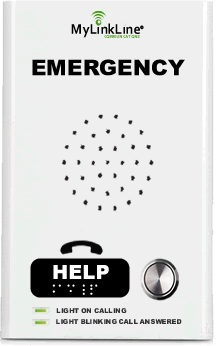
MyLinkLine will only install elevator telephones that meet code requirements. We also comply with ADA, ASME, ANSI and IBC codes in addition to all State and Local requirements if applicable. Volume pricing available.

Elevator Phone Monitoring Service
Our dispatch center has been delivering professional service for over twenty years. Our staff has extensive technical and interpersonal training to assist in emergency and non-emergency situations.

Lifetime Product Warranty
If any part of your elevator telephone(s) or elevator cellular landline fails at any time during your lifetime due to a defect in material or workmanship, we will repair or, at our option, replace the defective device at our cost***
Frequently Asked Questions
Elevator Code and Inspection Compliance
What is the Texas Elevator Code used for in building compliance programs?
It provides the technical and administrative framework that inspectors and regulators use to evaluate elevator safety, documentation, and required filings. For owners, it becomes a practical checklist: inspections, certificates, plan review for work, and proof that emergency communications work. For contractors, it guides installation, alteration, and testing expectations.
Which ASME A17.1 edition is currently adopted for statewide rules?
Texas Elevator Code rules adopt ASME A17.1 2016 and CSA B44 16, with an effective date shown in the administrative rules. Older installations can still be evaluated under prior requirements depending on timing and scope of work, so contractors often document which requirements apply for a specific project.
Does the Texas Elevator Code require a Certificate of Compliance to be posted?
Yes. Owners should treat the certificate as a required operational document and keep it posted where required and easy to verify. It is also smart to keep a digital copy with inspection history and filing confirmations in case staff changes or documents are removed during renovations.
How often are elevators inspected in Texas?
Texas requires regular periodic inspections, and owners are responsible for ensuring the inspection happens and the required documents and fees are submitted. Build a calendar-based process so inspections, follow-ups, and filings are handled early instead of becoming last-minute emergencies.
What triggers plan review under the Texas Elevator Code?
New installations and many alterations or modernization projects can require plan review approval before regulated equipment work proceeds. Contractors typically submit drawings and required project details, and owners should confirm the approval is in hand before scheduling major work that depends on the elevator returning to service. emergencies.
Do modernization projects have different requirements than routine repairs?
Yes. Texas Elevator Code treats alterations differently than minor maintenance, and modernization scope should be documented clearly so reviewers and inspectors understand exactly what is being changed. A strong written scope reduces delays, prevents mismatched expectations, and helps approvals and inspections move smoothly.
Who is allowed to perform regulated elevator work under the Texas Elevator Code?
Work tied to regulated installation, alteration, and certain filings should be handled by properly registered parties, and owners should verify contractor and inspector status early. This protects the project schedule because registration problems discovered late can delay inspections and certificate issuance.
What records should building owners keep for elevator compliance?
Keep inspection reports, filing confirmations, certificates, plan review approvals, test documentation, and vendor registration information. Store it in one shared location that survives turnover, and keep each unit’s file separate so it is easy to retrieve during audits or tenant questions.
Can local jurisdictions change how the Texas Elevator Code is applied?
Yes, sometimes jurisdictional boundaries affect oversight processes and who performs certain functions. If you manage properties across multiple Texas cities, confirm the local expectations at the start of each project, especially for permitting, plan routing, and inspection coordination.
How should we prepare for an inspection to avoid a failed result?
Texas Elevator Code preparation is mostly an operational discipline: fix known issues early, ensure documents are complete, confirm required postings, and verify emergency communications work. Also, coordinate with your contractor so that any recent alterations have the proper paperwork and approvals tied to the work performed.
What are common compliance failures related to the Texas Elevator Code?
Missing or expired certificates, late filings, incomplete records after alterations, and emergency phones that do not reliably connect to help. Many of these problems are preventable with a simple, recurring compliance routine and a documented communication testing process.
Do we need a plan review for every small change?
Not always. Some minor items may not trigger plan review, but you should confirm the boundary before work begins. When in doubt, the safest approach is to document the scope and verify whether it requires formal review or can be handled as routine maintenance.
What is a variance and when would the Texas Elevator Code allow one?
A variance is an approved exception pathway when strict compliance is not practical due to design, legacy constraints, or new technology scenarios. The key is that it should be granted in writing through the proper process, not treated as an informal field decision.
How do we reduce disruption if an elevator is taken out of service?
Texas Elevator Code readiness includes a response plan: vendor dispatch, tenant communications, documentation steps, and a clear path for reinspection or verification. A good compliance file speeds the return to service because you can prove what was corrected and what applies to the unit.
Does the Texas Elevator Code address emergency communication in the elevator car?
Yes. The emergency communication system is a life safety feature, and owners should ensure it is reliable, easy to use, and consistently reaches a live response point. Periodic testing and clear call routing help prevent silent failures that only show up during an inspection or an emergency.
Is a cellular elevator phone acceptable in Texas?
A cellular-based solution can be a practical way to maintain reliable emergency communications, especially when landlines are unavailable or unreliable. The important part is performance and reliability: the call must complete, the response process must work, and the system should be supported with testing and documentation.
What should contractors document after work governed by the Texas Elevator Code?
Document the scope performed, the equipment affected, any testing completed, and any required filings or approvals tied to the work. Owners benefit when the documentation is written clearly enough that a third party can understand what changed without having to reconstruct the project history.
How can property managers keep multi site portfolios compliant?
Standardize the process. Use a shared checklist, central file storage, recurring reminders, and a vendor management routine that verifies registrations and tracks inspection due dates. The goal is predictable compliance instead of urgent surprises.
What should we ask vendors when evaluating service for the Texas Elevator Code?
Ask how they manage inspection scheduling support, documentation handoff, and plan review coordination for alterations. Also, ask how they verify emergency communications reliability, how often they recommend testing, and what documentation you will receive to support your compliance file.
How can MyLinkLine help with emergency phone compliance?
Texas Elevator Code compliance is easier when emergency communications are reliable and testable, and MyLinkLine helps by providing cellular-based elevator phone connectivity plus options for monitoring with live operator response and routine test calls. This supports a documented process that helps you catch line failures early and maintain a clear record of communication readiness for inspections and safety planning.
Other Useful MyLinkLine Resources