

Nationwide Code Compliance Support
Utah Elevator Code 2026
Regulations & Standards
Switch to Cellular Phone Lines and Save 30% or More!
Find the latest information on Utah Elevator Code, laws, and safety standards. Our directories are updated monthly and include website links to help you quickly find the elevator codes and regulations for the state of Utah (UT)
Utah elevator codes impose a responsibility on building owners and property managers to adhere to specific requirements within elevators, ensuring the safety of all occupants. Failure to comply with these codes can result in penalties and potential legal action. While the particulars of the Utah elevator code may differ at the state and local levels, three primary codes govern elevator safety: the American Society of Mechanical Engineers (ASME), the International Building Code (IBC), and the Americans with Disabilities Act (ADA).
ADA
The Americans with Disabilities Act (ADA) mandates unrestricted and equal access to services for individuals with disabilities.
IBC
The International Building Code (IBC) establishes precautions against hazards associated with constructed environments.
ASME
The American Society of Mechanical Engineers (ASME) plays a pivotal role in the development of codes and standards.
The State of Utah (UT) currently operates under the 2022 ASME A17.1 and CSA B-44 Code
Utah Elevator Code Authority
The Division’s challenge is to apply appropriate engineering and inspection standards to ensure that the people of Utah will not be harmed by defective boilers, pressure vessels, elevators, or escalators. To that end, the Division emphasizes training to allow inspectors to remain current with new technologies.
The Division also participates in the development of national codes governing boilers, pressure vessels, elevators and escalators. Elevator inspectors shall examine conditions in regards to the safety of the employees, public, machinery, drainage, methods of lighting, and into all other matters connected with the safety of persons using or in close proximity to each elevator.
Utah Elevator Code Authority
Division of Boiler and Elevator Safety
160 East 300 South, 3rd Floor
Salt Lake City, UT 84114-6600
Elevator Cellular Phone Lines
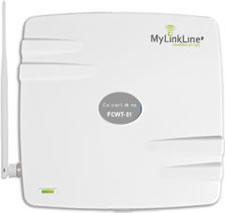
How to eliminate the cost of traditional elevator phone lines and save 35% or more. Our cellular elevator phone lines conform to ASME, ADA, and IBC codes, encompassing all requirements of the Utah elevator code.
Utah also follows IBC 2021, which includes additional requirements for new elevator installations
If your elevator travels over 60 feet. A two-way communication system will be installed in the elevator that provides both visible text and audible modes per code requirements. If you’re modernizing the elevator it’s advisable to consult your local Utah elevator code authority for guidance on the applicable regulations.
- Two-way message display in the elevator cab for hearing and/or speech impaired
A method for authorized personnel to access video footage of passengers from any location within the cabin - A mechanism triggered by emergency personnel to modify the cabin message, signaling that assistance has arrived on-site
Please be advised that we are committed to consistently delivering accurate and current adoption information. We diligently update our records as new Utah elevator code information becomes available.
Utah Elevator Code –
Elevator Phone Requirements ASME A17.1
- Two-way communication between elevator and authorized personnel
- On-site communications if over 60 ft of travel
- Communication between the elevator if elevator has remote machine room
- Answer by live authorized personnel – no automated answering
- Communication capability for onsite emergency personnel
- On-site monitoring if staffed 24/7 by authorized personnel
- Location identification on demand to authorized personnel
- Location identification without voice communication
- Hands-free devices only and telephone handsets are not allowed
- Phone automatlly answers when calling into elevator
- Automatic redirect if no answer onsite
- Monitoring the status of local telephone lines and issuing local alerts
Code Compliance Guidelines
State oversight and scope
Utah Elevator Code enforcement is handled through the Utah Labor Commission’s Boiler, Elevator and Coal Mine Safety program, which oversees elevators, escalators, and related conveyances across the state. Owners and managers are expected to keep equipment safe for public use, respond to deficiency notices, and coordinate access for inspections. For most properties, the simplest path to compliance is to treat elevator safety as a standing operating requirement, not a once a year event, and to keep records organized by device and address.
Adopted safety code edition
Utah Elevator Code requirements are set by administrative rule that incorporates national safety standards by reference, and the adopted edition can change when the state updates its rules. If you are managing a portfolio, confirm the edition currently referenced in Utah’s rules before major projects, because the “applicable code” for an elevator can depend on when the equipment was installed or remodeled. When in doubt, document the equipment history and ask the authority how the adopted requirements will be applied to your project scope.
Routine inspections
Utah Elevator Code compliance is strongly tied to periodic inspections, and inspections work best when owners schedule them early and prepare the machine room, pit, and hoistway access in advance. Keep keys, access procedures, and vendor contacts current so you do not lose time on inspection day. If an inspector identifies issues, prioritize corrective actions that affect life safety, then track closeout dates and retain evidence of repairs. Clear preparation reduces reinspection risk and helps keep elevators available for tenants and guests.
Certificates and posting
Utah Elevator Code expectations typically include maintaining a current inspection certificate or permit to operate for each conveyance, and keeping documentation available for review. Build a simple system that stores inspection results, certificates, and service tickets by device number and property address. When certificates have a renewal or reinspection cycle, set reminders well ahead of the deadline so you can coordinate your elevator contractor and avoid last minute downtime. A tight document trail also helps during ownership changes, audits, and property management transitions.
New installations and acceptance
Utah Elevator Code processes often require an acceptance style inspection for new equipment before it can be placed into service. Plan for lead time: coordinate the installer, any required tests, and the authority inspection window. Keep approved plans and submittals accessible at the jobsite, and confirm that emergency communication equipment is installed and functional prior to inspection. Treat acceptance as a checklist driven milestone, because missing items can delay the certificate and push back occupancy or turnover schedules.
Alterations, modernization, and plan review
Utah Elevator Code rules can trigger additional steps when you modernize controllers, change driving machines, modify entrances, or perform other material alterations. Before work starts, confirm whether the state expects plan review, permits, or specific documentation for the alteration scope. Align your elevator contractor, engineer, and property team on what will be inspected at completion, and keep photos and records of the work. A well documented modernization reduces disputes about what changed and helps you close inspections faster.
Maintenance programs and service records
Utah Elevator Code aligned maintenance is easiest when you have a consistent preventive maintenance program and service records that match your equipment inventory. Track each unit’s controller type, door operator, communication device, and any special features so your contractor can stock parts and respond faster. When incidents occur, record what happened, what was corrected, and whether a reinspection was required. Over time, this history improves budgeting, helps prioritize modernization, and reduces operational surprises across multi site portfolios.
Contractor licensing and responsibility
Utah Elevator Code compliance depends on qualified elevator professionals performing regulated work, and your contracts should clearly define responsibilities for testing, callbacks, and corrective work. Verify that the contractor you hire is properly credentialed for the scope, especially for inspections, adjustments, and modernizations. Owners can reduce risk by requiring written closeout reports for deficiencies, keeping a single point of contact for inspections, and confirming that any subcontractors are also qualified. Clear responsibility prevents gaps that can delay recertification.
Variances and special conditions
Utah Elevator Code issues are not always one size fits all, and unique building constraints sometimes require a variance or an approved alternate method. If you pursue a variance, document the hardship, propose an equivalent level of safety, and keep the approval letter with your permanent equipment records. Coordinate early, because variance decisions can affect design, procurement, and scheduling. A good variance package also helps future managers understand why a condition exists and prevents accidental reversal during later renovations.
Emergency communication reliability
Utah Elevator Code compliance typically requires reliable two way emergency communication from the elevator car to qualified personnel, and it should work when a passenger actually needs help. Legacy copper landlines are being retired in many markets, so owners are increasingly shifting to managed cellular based solutions designed for elevator applications. Regardless of the technology, confirm the system answers quickly, provides accurate location information, and remains functional during common failure conditions like power interruptions and building network changes.
How MyLinkLine supports compliance
Utah Elevator Code readiness gets easier when your emergency phone line is treated like a life safety utility with clear accountability. MyLinkLine provides cellular based elevator phone line service intended to replace aging landlines, along with optional monitoring support and documentation that helps you show your line type, carrier, and contact process during inspections. The goal is simple: keep passengers connected to help, keep your paperwork organized, and reduce the scramble that happens when an inspection or certificate renewal is approaching.
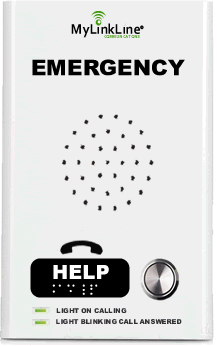
Emergency Elevator Phones
MyLinkLine will only install elevator telephones that meet code requirements. We also comply with ADA, ASME, ANSI and IBC codes in addition to all State and Local requirements if applicable. Volume pricing available.

Elevator Phone Monitoring Service
Our dispatch center has been delivering professional service for over twenty years. Our staff has extensive technical and interpersonal training to assist in emergency and non-emergency situations.
Lifetime Product Warranty
If any part of your elevator telephone(s) or elevator cellular landline fails at any time during your lifetime due to a defect in material or workmanship, we will repair or, at our option, replace the defective device at our cost***
Frequently Asked Questions
Elevator Code and Inspection Compliance
What is the Utah Elevator Code edition currently adopted statewide
Utah’s elevator safety code is set through administrative rule, so the adopted edition can change when the state updates its rules. For planning, confirm the current adopted edition before major modernizations, and keep a record of your equipment installation or remodel dates because that history can affect which requirements apply.
How often do elevators need to be inspected and recertified in Utah
Inspection frequency and certificate cycles can vary by equipment type and use, and Utah Elevator Code expectations are enforced through that inspection cycle. Your best approach is to confirm the schedule shown in the state’s inspection and permitting system for each unit, then build reminders that start well before the due date so you can coordinate access and corrections.
Do I need a permit or review before an alteration or modernization
Many projects that materially change equipment can require additional documentation, permits, or acceptance steps. Share the planned scope with your elevator contractor early, and keep plans, submittals, and testing documentation organized so you are ready for any required inspection at the end of the work.
Who is responsible for fixing violations found during an inspection under the Utah Elevator Code
Owners and managers are responsible for ensuring deficiencies are corrected, even when the work is performed by an elevator contractor. Ask for written closeout documentation, track reinspection deadlines, and keep the repair history with your equipment records so future teams can show compliance.
How do variances work if my building has unusual constraints
If a strict requirement cannot be met due to a documented constraint, you may be able to request an alternate method that achieves an equivalent level of safety. Start the conversation early, document the condition, and retain any written approvals as part of the permanent record for that unit.
How can MyLinkLine help with emergency phone compliance
For Utah Elevator Code readiness, the biggest wins are reliability and documentation. MyLinkLine helps by moving emergency elevator phones off retiring landlines to managed cellular service, then supporting a clear answering and contact process that you can document for inspections. That reduces the risk of failed test calls, missed location details, and last-minute scrambling before a certificate renewal.
Other Useful MyLinkLine Resources