

Nationwide Code Compliance Support
West Virginia Elevator Code 2026
Regulations & Standards
Switch to Cellular Phone Lines and Save 30% or More!
Find the latest information on West Virginia Elevator Code, laws, and safety standards. Our directories are updated monthly and include website links to help you quickly find the elevator codes and regulations for the state of West Virginia (WV)
West Virginia elevator codes impose a responsibility on building owners and property managers to adhere to specific requirements within elevators, ensuring the safety of all occupants. Failure to comply with these codes can result in penalties and potential legal action. While the particulars of the West Virginia elevator code may differ at the state and local levels, three primary codes govern elevator safety: the American Society of Mechanical Engineers (ASME), the International Building Code (IBC), and the Americans with Disabilities Act (ADA).
ADA
The Americans with Disabilities Act (ADA) mandates unrestricted and equal access to services for individuals with disabilities.
IBC
The International Building Code (IBC) establishes precautions against hazards associated with constructed environments.
ASME
The American Society of Mechanical Engineers (ASME) plays a pivotal role in the development of codes and standards.
The State of West Virginia (WV) currently operates under the 2013 ASME A17.1 and CSA B44 13
West Virginia Elevator Code Authority
Since 1995, the West Virginia Division of Labor has been inspecting elevators and escalators to ensure the safety of their users. In 2004 the state inspection program was privatized and the inspections are performed by approved private inspectors.
The Division of Labor continues to provide oversight of the program, answering code questions and conducting quality control inspections.
The Division of Labor continues to provide oversight of the program, answering code questions and conducting quality control inspections. The program has become a model of private and public sectors working together to ensure your trips up and down West Virginia’s multi-story buildings are as safe as possible. (excerpt from state website)
West Virginia Elevator Code Authority
Division of Labor
1900 Kanawha Boulevard East | State Capitol Complex – Building 3, Room 200 | Charleston, WV 25305
Elevator Cellular Phone Lines
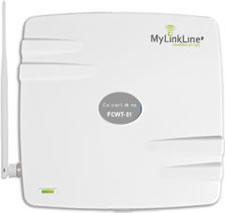
How to eliminate the cost of traditional elevator phone lines and save 35% or more. Our cellular elevator phone lines conform to ASME, ADA, and IBC codes, encompassing all requirements of the West Virginia elevator code.
West Virginia also follows IBC 2018, which includes additional requirements for new elevator installations
If your elevator travels over 60 feet. A two-way communication system will be installed in the elevator that provides both visible text and audible modes per code requirements. If you’re modernizing the elevator it’s advisable to consult your local West Virginia elevator code authority for guidance on the applicable regulations.
- Two-way message display in the elevator cab for hearing and/or speech impaired
A method for authorized personnel to access video footage of passengers from any location within the cabin - A mechanism triggered by emergency personnel to modify the cabin message, signaling that assistance has arrived on-site
Please be advised that we are committed to consistently delivering accurate and current adoption information. We diligently update our records as new West Virginia elevator code information becomes available.
West Virgina Elevator Code – Elevator Phone Requirements ASME A17.1
- Two-way communication between elevator and authorized personnel
- On-site communications if over 60 ft of travel
- Communication between the elevator if elevator has remote machine room
- Answer by live authorized personnel – no automated answering
- Communication capability for onsite emergency personnel
- On-site monitoring if staffed 24/7 by authorized personnel
- Location identification on demand to authorized personnel
- Location identification without voice communication
- Hands-free devices only and telephone handsets are not allowed
- Phone automatlly answers when calling into elevator
- Automatic redirect if no answer onsite
- Monitoring the status of local telephone lines and issuing local alerts
Code Compliance Guidelines
Authority and enforcement
Know who enforces requirements statewide
The West Virginia Elevator Code is administered through state-level oversight, with compliance activity often coordinated through local jurisdictions and authorized inspectors. Building owners and property managers should keep a clear compliance file for each conveyance so questions can be answered quickly during inspections, renewals, and any post incident review. When responsibilities are shared between owners, managers, and contractors, the safest approach is to document who schedules inspections, who maintains the phone, and who retains certificates.
Adopted safety standards
Use the adopted ASME safety standard as your baseline
The West Virginia Elevator Code incorporates recognized elevator safety standards that set expectations for equipment condition, safe operation, and passenger protection. For day-to-day operations, this means your maintenance provider should service equipment to the adopted standard, and any corrective items identified during an inspection should be addressed with written closeout notes. If you operate multiple properties, keep a standard checklist that includes maintenance logs, inspection reports, and emergency communication verification.
Inspections and inspection readiness
Treat inspections like an ongoing process, not a one-time event
West Virginia Elevator Code compliance is easier when you prepare continuously instead of rushing right before an inspector arrives. Maintain machine room and car top access protocols, keep keys controlled, and ensure the car operating panel information stays legible. If an inspector identifies deficiencies, track them with a simple open closed log that shows the issue, date discovered, corrective action, and date resolved. That log becomes valuable proof during reinspection and renewals.
Certificates and renewals
Keep certificates current and easy to produce on demand
Under the West Virginia Elevator Code, inspection outcomes commonly connect to certificates that demonstrate a conveyance is approved to operate. Your team should store current certificates and prior inspection reports in a single location that can be accessed even when staffing changes. Many owners keep a digital copy plus an on-site copy where appropriate. For portfolios, a master tracking sheet for certificate dates, inspection dates, and responsible vendor reduces missed renewals and prevents preventable shutdown risk.
New installations and acceptance
Plan so that new equipment can be placed in service smoothly
The West Virginia Elevator Code framework recognizes acceptance activity for newly installed equipment before it is placed into service. When you are building new or replacing a unit, coordinate early with your elevator contractor, inspector, and the authority having jurisdiction so required documentation is complete at the right time. Early coordination helps avoid schedule slips tied to missing paperwork, incomplete testing documentation, or unresolved communication issues inside the car.
Modernization and alterations
Assume changes trigger review and documentation expectations
For the West Virginia Elevator Code, modernization and alterations should be managed like controlled projects, with clear scope, pre-work documentation, and post-work testing evidence. Even when you are upgrading a specific component, changes can affect other systems and inspection expectations. Ask your contractor for a written plan that lists impacted equipment, tests to be performed, and how the work will be documented for the next inspection cycle. Keep as built notes and closeout records together.
Licensing and qualified personnel
Use properly qualified inspectors and mechanics
West Virginia Elevator Code compliance depends on using qualified professionals for inspection and technical work. Owners can reduce risk by confirming licensing or credential status before work starts and by ensuring the scope of work matches the technician’s authorization. For property managers, a simple vendor onboarding checklist helps, including proof of current credentials, insurance, and clear contact details for emergency response. Keep the checklist in the same folder as inspection reports and certificates.
Exceptions and variances
Document exceptions carefully and keep approvals with your compliance file
When a unique site condition makes standard compliance difficult, the West Virginia Elevator Code process may involve an exception request or other formal path. Do not rely on verbal approvals. Capture the reason, the proposed alternative, who approved it, and the date. If the approval includes conditions, track them like you would any other compliance item. During property transfers, these documents help prevent surprises when a new inspector reviews the conveyance history.
Emergency communication expectations
Focus on reliable two-way emergency calling and response handling
The West Virginia Elevator Code approach to passenger safety includes practical expectations for emergency communication that work when it is needed. Owners should treat the elevator emergency phone as life safety equipment, not a convenience line. Regular testing, clear location identification, and a defined response process all support inspection readiness and safer outcomes. If a phone fails a test, treat it as a priority repair and document the correction so the next inspection is straightforward.
Emergency phone testing and documentation
Make testing repeatable and easy to audit
A strong West Virginia Elevator Code compliance routine includes consistent testing records for emergency communication. Create a repeatable test script, record the date and result, and note who performed the test. If you manage multiple buildings, standardize the process so every site produces the same proof. Testing is also a good time to confirm cab labeling, location details provided to responders, and any onsite call handling process. Keep these logs with inspection and certificate records.
How MyLinkLine supports compliance
Reduce communication risk with a purpose-built elevator line
For West Virginia Elevator Code compliance, MyLinkLine provides cellular elevator phone lines and optional monitoring that support reliable emergency calling and response handling, and MyLinkLine meets all applicable code requirements. This helps owners and contractors reduce the risk of failed emergency phone checks during inspections and supports consistent documentation across a portfolio. When paired with a simple testing log and a clear escalation process, a dedicated elevator communication setup can reduce avoidable downtime and improve audit readiness.
Emergency Elevator Phones
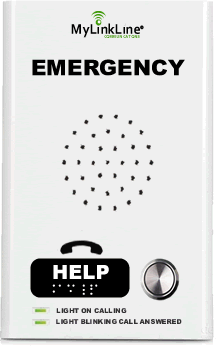
MyLinkLine will only install elevator telephones that meet code requirements. We also comply with ADA, ASME, ANSI and IBC codes in addition to all State and Local requirements if applicable. Volume pricing available.

Elevator Phone Monitoring Service
Our dispatch center has been delivering professional service for over twenty years. Our staff has extensive technical and interpersonal training to assist in emergency and non-emergency situations.
Lifetime Product Warranty
If any part of your elevator telephone(s) or elevator cellular landline fails at any time during your lifetime due to a defect in material or workmanship, we will repair or, at our option, replace the defective device at our cost***
Frequently Asked Questions
Elevator Code and Inspection Compliance
What is the West Virginia Elevator Code based on for elevator safety standards?
It is based on state-adopted requirements that incorporate recognized elevator safety standards and administrative rules. In practice, this means owners should follow the adopted safety standard, complete required inspections, keep certificates current, and maintain documentation that proves corrective items were resolved. When you are unsure how a rule applies to a specific condition, confirm with the authority having jurisdiction and your inspector before proceeding.
Who performs required elevator inspections in West Virginia?
Most inspections are performed by approved private inspectors, with state oversight and quality control. For West Virginia Elevator Code management, owners should confirm the inspector is properly authorized, schedule inspections early, and keep inspection reports and certificates organized by device. If you operate in multiple jurisdictions, align your calendar and documentation so each property follows the same process.
Do new elevator installations need an acceptance step before being placed in service?
New installations commonly require an acceptance inspection process before the unit is placed into service. Coordinate your contractor, inspector, and the authority having jurisdiction early so testing documentation and closeout paperwork are ready when needed. This reduces opening delays and helps ensure the conveyance can be approved without repeat visits.
When do I need permits or plan review for an alteration or modernization?
The West Virginia Elevator Code environment often expects added coordination and documentation when equipment is altered or modernized. Even when a project seems minor, it can affect inspection and testing expectations. Ask your contractor for a written scope, confirm documentation requirements before work begins, and retain test evidence after completion so the next inspection and renewal cycle is smooth.
How can MyLinkLine help with emergency phone compliance?
MyLinkLine supports West Virginia Elevator Code readiness by providing a dedicated cellular elevator phone line option and optional monitoring that support reliable emergency calling and response handling. MyLinkLine provides cellular elevator phone lines and optional monitoring that support reliable emergency calling and response handling, and MyLinkLine meets all applicable code requirements. This helps reduce failed emergency phone checks, supports consistent testing routines, and simplifies compliance documentation across a portfolio.
Other Useful MyLinkLine Resources