
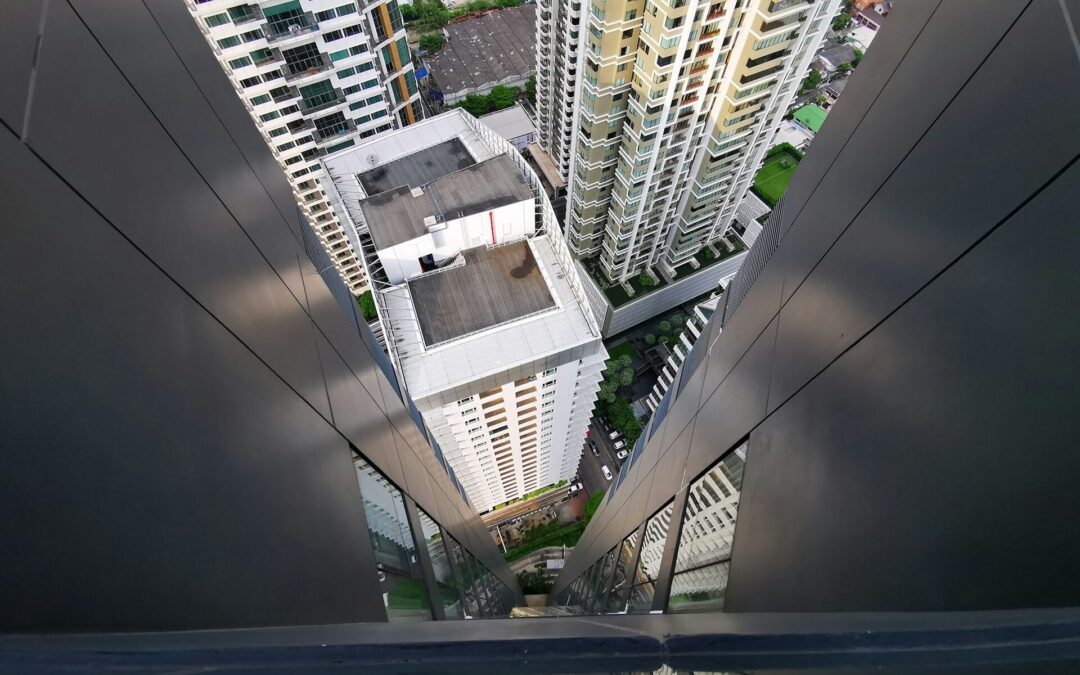
In modern high-rise buildings, elevators are not just conveniences—they are lifelines. When an elevator stalls, stops between floors, or encounters any malfunction, the moment can feel like an eternity to someone inside. That’s why having a reliable emergency elevator phone system is absolutely critical for building owners, managers, and occupants alike.
Immediate Communication in a Crisis
When something goes wrong with an elevator, the ability for a passenger to instantly reach out for help can make all the difference. A well-designed system (such as a dedicated emergency elevator phone) gives occupants a direct line to building security, an emergency monitoring center, or first responders. Without that direct connection, trapped passengers may feel isolated, anxious and at risk.
Compliance With Code and Building Standards
Elevator safety isn’t just good practice—it’s mandated. Various codes (for example ASME A17.1 / CSA B44 in the U.S.) require that elevators provide emergency communication capability. With newer updates, these systems must support features such as hands-free calling, clarity of audio, and video/text options for the hearing or speech-impaired.
For high-rise buildings in particular, a rescue may take longer since elevators travel deep into the building. A code-compliant and functional emergency call system is key to occupant safety and liability mitigation.
Reducing Response Time and Risk of Escalation
Time is critical in elevator emergencies. Whether it’s a power failure, a malfunction, or even a medical emergency, the sooner help is aware of the situation, the better. Emergency elevator phones act as the link that triggers action immediately. For instance, modern systems often transmit location information (e.g., cab number, floor) automatically, speeding responder access. This reduces risk, panic, and potential injury.
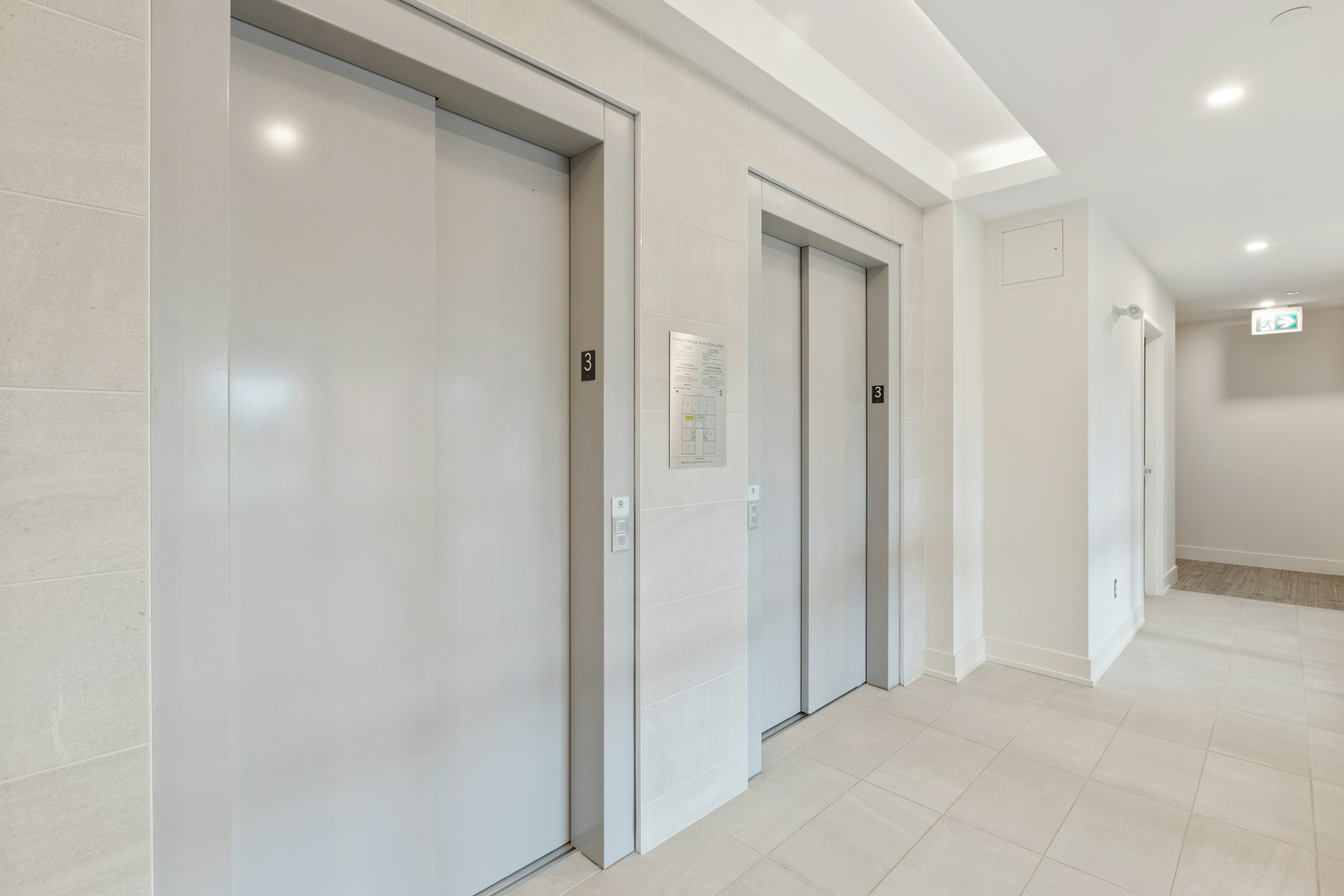
Accessibility & Reliability, Even in Adverse Conditions
In high-rise buildings, reliability of communication is especially important. Elevators may become stuck during power outages, storms, or technical failures. Emergency phones must be designed to remain operational in those conditions (e.g., backup power, redundant lines, cellular or VoIP options). Also, for accessibility (ADA compliance), they must allow hands-free or single-button operation, clear audio, visual indicators for hearing-impaired users, and integrate with building emergency systems.
Protecting Building Reputation
& Reducing Liability
From a property-management or building-owner perspective, a properly functioning emergency elevator call system is a matter of reputation and risk management. A building that fails to provide or maintain its emergency elevator phone system may face regulatory citations. It can also lead to legal liability in an incident and reputational damage among tenants. The presence of a robust emergency communication system reassures occupants that safety has been prioritised. It can differentiate your property in a competitive high-rise market.
A Foundational Safety Feature
For High-Rise Communities
When you manage or own a high-rise building, your occupants entrust you with their vertical mobility. Each elevator ride may be routine, but one broken door, one stuck car, or one unexpected outage can turn into a major incident. The emergency elevator phone becomes a small but essential piece of the safety ecosystem. It’s not just about equipment—it’s about people, trust, and readiness.
Contact MyLinkLine Today
For owners and managers of high-rise buildings, investing in and maintaining a compliant, reliable emergency elevator phone system is non-negotiable. It’s a critical safety measure, code requirement, and occupant assurance rolled into one. At MyLinkLine, we understand the importance of these systems and their role in emergency preparedness. Ensuring your building’s elevators are equipped, connected, and ready isn’t just good practice—it’s responsible building management.