
Alabama Pool Code
Regulations & Standards
Find the latest information on the Alabama Pool Code, laws, and safety standards. Our directories are updated monthly and include website links to help you quickly find the pool codes and regulations for the state of Alabama (AL)
Alabama Pool Code Requirements
Alabama pool code does not appear to have a single statewide public swimming pool code that applies uniformly across every county. Alabama Department of Public Health materials state that 7 of Alabama’s 67 counties have local swimming pool rules, and those local standards address items such as chemical concentrations and other pool maintenance provisions. Alabama Department of Public Health fee materials also show that an annual health permit is required for operation of each public swimming pool in the county.
For lodging properties, Alabama pool code hotel rules state that hotel swimming pools and spas must be constructed, operated, and maintained in accordance with minimum requirements under the Alabama Administrative Code. That means pool oversight in Alabama is a mix of local pool regulation and state rules that apply in specific settings such as hotels
Learn More About The National Pool Safely Campaign to Reduce Drowning and Entrapment Injuries: Visit: https://www.poolsafly.gov/
Alabama Pool Phone Code Requirements
The telephone for the pool/spa with posted names and phone numbers if the nearest available police, fire, ambulance service and/or rescue unit, and/or 911, if available. For the Alabama pool code the use of a cellular phone or a portable wireless phone for an emergency is prohibited.
Helpful tip:
MyLinkLine | Alabama Pool Code Solution
If your Alabama pool property wants a more reliable emergency communication setup, MyLinkLine provides cellular pool phone service designed to replace outdated landlines and support dependable emergency calling. For qualifying hotels, apartments, condominiums, HOAs, clubs, and similar properties, MyLinkLine can provide a modern pool phone solution that is easier to manage and better aligned with today’s communications infrastructure.
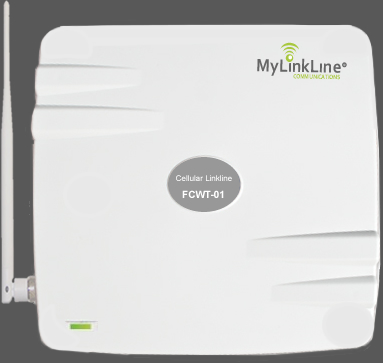
Pool Phone Cellular Landlines
How to eliminate the cost of a traditional pool phone landline and save 35% or more
If you’re aiming to decrease pool phone line expenses, we suggest transitioning to cellular technology. Our cellular phone lines conform to all Alabama pool code requirements.
Frequently Asked Pool Code Phone Questions
What is a pool telephone?
A pool phone, as the name suggests, is a communication device positioned in close proximity to public swimming pools, usually within 200 unobstructed feet of the pool in most states. Its primary purpose is to enable users to make emergency calls and connect to help when needed.
How do I determine if I need an emergency pool phone?
In many states, there are legal requirements mandating the presence of an emergency phone in close proximity to a pool. Regardless of legal requirements, having a pool telephone is a proactive measure to prevent potential tragedies and reduce your liability.
Can MyLinkLine monitor pool phones purchased from another company?
Certainly. We can monitor and reprogram pool phones from any manufacturer, including those already integrated into existing car operating panels. Our monitoring services do not require any additional equipment.
How can I ensure the proper functioning of my pool phone?
The best way to ensure your emergency phone is working correctly is through periodic manual testing.
Can pool phones be directly programmed to dial 911?
While it is possible to program pool telephones to dial 911 for emergency dispatch, it is generally discouraged. Most 911 dispatch centers prefer that pool telephones do not tie up emergency lines with non-emergency or prank calls. Additionally, fines may be imposed for dispatching emergency personnel to non-emergency situations. Therefore, we do not recommend relying solely on 911 for handling pool telephone calls.
Do you provide nationwide installation of pool telephones?
Absolutely! MyLinkLine Communications Inc. boasts over two decades of experience in the field of telecommunications solutions. Our extensive range of pool telephone products and services is available throughout the United States, Canada, and Mexico.
Do you sell proprietary pool telephone equipment?
MyLinkLine prioritizes the long-term interests of our clients by exclusively using non-proprietary phone equipment known for its durability, reliability, and ease of service. This approach ensures that you have all the information necessary to make the best decision for your specific requirements. Trust the MyLinkLine approach for dependable and adaptable pool telephone solutions.
What are the regulations regarding pool telephones in the United States?
Regulations governing pool telephones are typically determined at the local level, often varying from state to state. You can find information on pool phone laws specific to your state here.
Should a pool phone use a landline or cellular connection?
Both landline and cellular connections can be employed for pool phones, with the choice typically depending on the specific needs of your property. Cellular lines are often preferred to avoid the costs associated with trenching for new landline telephone service, and our cellular solution is cost-effective compared to traditional landlines.
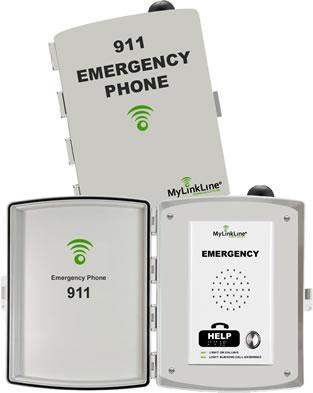
Emergency Pool Telephones
We offer a full range of indoor and outdoor pool emergency communication solutions, ensuring compliance with ADA regulations and approval from the FCC. We specialize in the sales and installation of high-quality phone products sourced from industry-leading brands.
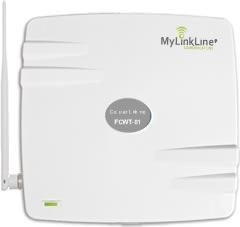
Pool Phone Cellular Lines
Go cellular and save 35% or more on monthly phone line fees. If you currently pay for a pool telephone line you are paying too much. Our cellular phone lines work with all pool telephones and monitoring services. To get a quote click on the link below.

Pool Phone Monitoring Service
Our monitoring and dispatch center has been delivering professional service for over twenty years. Our staff has extensive technical and interpersonal training to assist in emergency and non-emergency situations. To get quote click on the link below.
How to Keep a Commercial Pool Safe and Reduce Liability
For owners and managers of hotels, apartments, clubs, and other commercial properties, understanding Alabama Pool Code is an important part of protecting guests and reducing risk. In Alabama, pool oversight is handled through a mix of county health requirements and state rules that apply in certain settings, including hotel pools. Alabama also requires an annual health permit for operation of each public swimming pool in the county, and hotel swimming pools and spas must be constructed, operated, and maintained in accordance with minimum state requirements.
The first step to reducing liability is keeping the pool in safe operating condition every day, not just at inspection time. Alabama Pool Code related requirements for hotel pools make it clear that operators need to pay close attention to water clarity, disinfectant levels, filtration, and testing. State rules identify immediate closure conditions that include recirculation and filtration equipment not operating, water so cloudy that the main drain cover cannot be plainly seen, disinfectant residual below the minimum acceptable level, and the absence of an approved test kit. That means daily checks are not just good practice. They are one of the most important ways to prevent injuries, illness, and claims.
A second priority is making sure the right safety equipment is always in place and ready to use. Alabama Pool Code compliance should include verifying that lifesaving equipment is present, visible, and in good condition. Alabama’s hotel pool rules reference required lifesaving equipment, including a life pole or shepherd’s crook and an approved life buoy with enough rope to reach at least one half the width of the pool. When emergency equipment is missing, damaged, or stored poorly, liability increases because staff and guests may not be able to respond quickly during an emergency.
Strong operating discipline also matters. A commercial pool should have written opening and closing procedures, regular water testing logs, clear staff responsibility, and immediate escalation steps when something is wrong. Even where Alabama Pool Code is enforced at the county level in many places, the operating principle is the same: do not allow the pool to remain open when core health or safety conditions are not being met. Owners should train staff to recognize problems early, document issues, and close access when the pool no longer meets safe operating standards.
Emergency communication is another major liability issue. If a guest, resident, or child is in distress, delays in calling for help can make the outcome much worse. While Alabama Pool Code does not appear to provide one single statewide pool phone rule across all pool types in the sources reviewed, commercial properties still benefit from having a dedicated and reliable way to call for help from the pool area. A clearly accessible emergency communication method helps improve response time and supports a stronger overall safety program. This is where MyLinkLine can help by replacing outdated landlines with a modern cellular pool phone solution that is easier to manage and more dependable for many properties.
Ultimately, Alabama Pool Code should be viewed as the floor, not the ceiling. The safest commercial pools combine code compliance, strong daily operations, visible safety equipment, good recordkeeping, and reliable emergency communication. Properties that take those steps are in a better position to protect swimmers, reduce incidents, and lower liability exposure over time.
We strive to provide the most accurate and current adoption information by diligently updating our records as new Alabama pool code requirements are released. However, we cannot guarantee the absolute timeliness or completeness of this data. Always consult with a licensed professional or local building department before beginning any project.