
Nationwide Code Compliance Support
Connecticut Elevator Code 2026
Regulations & Standards
Switch to Cellular Phone Lines and Save 30% or More!
Find the latest information on Connecticut Elevator Code, laws, and safety standards. Our directories are updated monthly and include website links to help you quickly find the elevator codes and regulations for the state of Connecticut (CT)
Elevators in Connecticut must comply with state regulations to ensure passenger safety. The Connecticut elevator code, enforced by the state’s Bureau of Elevators, is based on ASME A17.1 (2013 edition) and requires every passenger elevator to be registered and inspected at least every 18 months. Building owners need to maintain current certifications and keep a written Maintenance Control Program on-site, as required by the Connecticut elevator code. Any major upgrades or modernization work should meet current Connecticut elevator code standards – such projects often trigger new compliance requirements. MyLinkLine assists property managers and contractors by providing guidance and code-compliant solutions (like approved elevator phones and monitoring) to help meet Connecticut elevator code requirements.
In Connecticut, the elevator safety code (often referred to as the Connecticut elevator code) specifies emergency communication rules. Every passenger elevator must have a two-way, hands-free telephone linking to trained responders. Elevators over 60 feet of travel must also have a visible text display for hearing-impaired riders per the Connecticut elevator code. Traditional landline phones can meet these rules, but are costly; MyLinkLine’s cellular elevator phone lines fully comply with the Connecticut elevator code (as well as ADA and IBC) and often save money. We install and monitor systems that connect callers to live attendants and provide elevator location, satisfying Connecticut’s emergency phone requirements. Building owners can modernize their phones and ensure their elevators meet all Connecticut elevator code requirements while avoiding compliance headaches.
Connecticut elevator codes impose a responsibility on building owners and property managers to adhere to specific requirements within elevators, ensuring the safety of all occupants. Failure to comply with these codes can result in penalties and potential legal action. While the particulars of the Connecticut elevator code may differ at the state and local levels, three primary codes govern elevator safety: the American Society of Mechanical Engineers (ASME), the International Building Code (IBC), and the Americans with Disabilities Act (ADA).
ADA
The Americans with Disabilities Act (ADA) mandates unrestricted and equal access to services for individuals with disabilities.
IBC
The International Building Code (IBC) establishes precautions against hazards associated with constructed environments.
ASME
The American Society of Mechanical Engineers (ASME) plays a pivotal role in the development of codes and standards.
The State of Connecticut (CT) currently operates under the 2019 ASME A17.1 and CSA B-44 Code
Connecticut Elevator Code Authority (CT)
Authorities having jurisdiction are those government officials who are the final authority on questions in a particular area (or jurisdiction). The Bureau of Elevators is responsible for the certification and inspections of elevators, escalators, dumbwaiters, moving walks, private residence elevators, tramways, and personnel hoists used for construction and demolition.
The state currently has 15,400 elevators registered in Connecticut, all of which are inspected every 18 months. The state currently has eleven inspectors that are responsible for inspections and also to witness required tests by state-licensed elevator contractors in addition to investigations of accidents and complaints.
- All elevators, escalators, wheelchair lifts, APM (i.e., the train at DIA) and other regulated conveyances located in the State of Colorado be registered with OPS;
- The installation, alteration, maintenance, testing and annual inspection of regulated conveyances is completed according to the Colorado conveyance regulations, industry code and the standards adopted in statute and regulation; and
- All conveyance contractors, mechanics and inspectors maintain a current license issued by OPS to ensure that the installation, alteration and maintenance of conveyances in the State of Colorado are completed by qualified personnel.

Office of the State Building Inspector
Division of Construction Services
Department of Administrative Services
165 Capitol Avenue, Room 266
Hartford, CT 06106
Elevator Cellular Phone Lines
How to eliminate the cost of traditional elevator phone lines and save 35% or more. Our cellular elevator phone lines conform to ASME, ADA, and IBC codes, encompassing all requirements of the Connecticut elevator code.
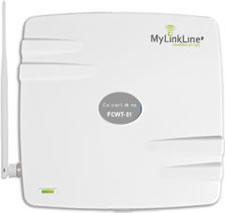
Connecticut Elevator Code – Elevator Phone Requirements ASME A17.1 & IBC**
- Two-way communication between elevator and authorized personnel
- On-site communications if over 60 ft of travel
- Communication between the elevator if elevator has remote machine room
- Answer by live authorized personnel – no automated answering
- Communication capability for onsite emergency personnel
- On-site monitoring if staffed 24/7 by authorized personnel
- Location identification on demand to authorized personnel
- Location identification without voice communication
- Hands-free devices only and telephone handsets are not allowed
- Phone automatlly answers when calling into elevator
- Automatic redirect if no answer onsite
- Monitoring the status of local telephone lines and issuing local alerts
**Connecticut also follows IBC 2021, which incorporates extra requirements for new elevators/construction projects
If your elevator travels over 60 feet. A two-way communication system will be installed in the elevator that provides both visible text and audible modes per code requirements. If you’re modernizing the elevator to ensure it complies with current codes, it’s advisable to consult your local Connecticut elevator code authority for guidance on the applicable regulations.
- Two-way message display in the elevator cab for hearing and/or speech impaired
A method for authorized personnel to access video footage of passengers from any location within the cabin - A mechanism triggered by emergency personnel to modify the cabin message, signaling that assistance has arrived on-site
Please be advised that we are committed to consistently delivering accurate and current adoption information. We diligently update our records as new Connecticut elevator code information becomes available.
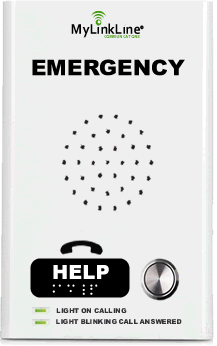
Emergency Elevator Phones
MyLinkLine will only install elevator telephones that meet code requirements. We also comply with ADA, ASME, ANSI and IBC codes in addition to all State and Local requirements if applicable. Volume pricing available.

Elevator Phone Monitoring Service
Our dispatch center has been delivering professional service for over twenty years. Our staff has extensive technical and interpersonal training to assist in emergency and non-emergency situations.

Lifetime Product Warranty
If any part of your elevator telephone(s) or elevator cellular landline fails at any time during your lifetime due to a defect in material or workmanship, we will repair or, at our option, replace the defective device at our cost***
Frequently Asked Questions
Connecticut Elevator Code and Inspection Compliance
Which elevator safety code does Connecticut follow?
Connecticut adopted the ASME A17.1-2013 safety code (effective 2018) for elevators and escalators, which, along with state laws, forms the Connecticut elevator code. These standards cover everything from design to maintenance. MyLinkLine stays up to date with Connecticut’s requirements and offers emergency phone and monitoring systems that meet all the Connecticut elevator code requirements.
How often must elevators be inspected in Connecticut?
Connecticut law requires passenger elevators to be inspected at least every 18 months. This is a key part of the Connecticut elevator code aimed at keeping elevators safe. MyLinkLine offers reminder services and ensures your elevator’s communication equipment (phones and monitoring) are tested and ready, helping building owners stay on schedule with inspections.
What emergency communications are required under Connecticut code?
The Connecticut elevator code requires every passenger elevator to have a two-way, hands-free telephone connected to trained personnel. Elevators over 60 feet of travel must also include a visible text display for hearing-impaired riders. MyLinkLine’s cellular elevator phones and monitoring services are designed to meet these requirements. We install systems that automatically dial live attendants and provide location information, making compliance with Connecticut’s emergency communication rules straightforward.
What upgrades are required when modernizing an elevator in Connecticut?
When you modernize an elevator in Connecticut, the upgraded equipment must comply with the current Connecticut elevator code. This often includes installing new safety devices (like updated cylinder safeties on old hydraulic lifts), adding a written maintenance control program, and ensuring any ADA or communication features are up to date. MyLinkLine can integrate these code-required upgrades – such as compliant emergency phones and visual displays – during modernization, making it easier to meet Connecticut’s standards.
Do I need a permit to install or alter an elevator in Connecticut?
Yes. Connecticut requires that new elevators or major alterations be registered and approved under the Connecticut elevator code. You’ll need to apply for permits or certifications through the state’s Office of the State Building Inspector. MyLinkLine can help by advising which code-compliant equipment (like emergency phones and monitoring) you’ll need and by supplying documentation. This helps ensure your permit requests and inspections go through smoothly.
What maintenance records or programs does Connecticut require for elevators?
Connecticut elevator code requires a written Maintenance Control Program (MCP) on-site for each elevator, documenting all maintenance, repairs, and tests. Inspectors review this during each inspection. MyLinkLine provides documentation for any installed communication equipment, ensuring your emergency phones and monitors are included. Keeping proper records like this helps you meet Connecticut’s inspection requirements without surprises.
Can I use a cellular line instead of a hardwired phone for elevator emergencies?
Yes. Connecticut law permits cellular elevator phone lines as long as they meet the same reliability and features as a wired line. MyLinkLine’s elevator phone solutions are specifically approved for use in Connecticut. They include live answering, hands-free operation, and location reporting, satisfying the Connecticut elevator code and ADA requirements. We also ensure continuous monitoring so the system remains compliant.
What should I do if an elevator fails inspection?
If an elevator fails inspection, the inspector will issue a notice listing the code violations (for example, a broken emergency phone or missing documentation). You must fix all listed items per the Connecticut elevator code. MyLinkLine can help by quickly repairing or replacing any failing communication equipment, such as phone lines or alarms. After addressing the issues, you can schedule a re-inspection to recertify the elevator and return it to service under code.
How does MyLinkLine help with Connecticut elevator code compliance?
MyLinkLine provides emergency phone and monitoring services tailored to Connecticut’s rules. Our cellular phone systems and 24/7 monitoring fully satisfy the Connecticut elevator code’s requirements for live response and location reporting. We install and test the equipment to ensure it passes inspection and monitor the lines with regular reports. This helps building owners demonstrate compliance easily, so their elevators’ communication systems always meet Connecticut safety regulations.
Does Connecticut’s elevator code apply to residential (home) elevators?
Yes, the Connecticut elevator code covers private residential elevators as well. All elevators (even home lifts) must follow safety and communication rules if they serve multiple floors or have significant travel. MyLinkLine can explain any minor exemptions, but we can also provide compliant emergency phones and monitoring for your elevator needs. Either way, we ensure your home elevator meets Connecticut code standards where applicable.
Other Useful MyLinkLine Resources