

Nationwide Code Compliance Support
Florida Elevator Code 2026
Regulations & Standards
Switch to Cellular Phone Lines and Save 30% or More!
Find the latest information on Florida Elevator Code, laws, and safety standards. Our directories are updated monthly and include website links to help you quickly find the elevator codes and regulations for the state of Florida (FL)
Florida elevator codes impose a responsibility on building owners and property managers to adhere to specific requirements within elevators, ensuring the safety of all occupants. Failure to comply with these codes can result in penalties and potential legal action. While the particulars of the Florida elevator code may differ at the state and local levels, three primary codes govern elevator safety: the American Society of Mechanical Engineers (ASME), the International Building Code (IBC), and the Americans with Disabilities Act (ADA).
ADA
The Americans with Disabilities Act (ADA) mandates unrestricted and equal access to services for individuals with disabilities.
IBC
The International Building Code (IBC) establishes precautions against hazards associated with constructed environments.
ASME
The American Society of Mechanical Engineers (ASME) plays a pivotal role in the development of codes and standards.
The State of Florida (FL) currently operates under the 2019 ASME A17.1 and CSA B-44 Code
Florida Elevator Code Authority (FL)
Authorities having jurisdiction are those government officials who are the final authority on questions in a particular area (or jurisdiction). The Bureau of Elevator Safety Elevator Section oversees all elevators in the State.
The Bureau of Elevator Safety works to ensure elevators and escalators throughout the State of Florida remain the safest mode of transportation by enforcing elevator safety laws and licensing and regulating industry professionals, elevators, escalators, and other vertical and inclined conveyance devices such as dumbwaiters, moving walks, stairway chairlifts and inclined or vertical wheelchair lifts.
The bureau is charged with enforcing Chapter 399, Florida Statutes (FS), Chapter 30 of the Florida Building Code, the American Society of Mechanical Engineers (ASME) Safety Code for Elevators and Escalators, the State Fire Marshal’s Uniform Fire Safety Standards (NFPA 72), and portions of the National Electrical Code (NEC 70) and the Americans with Disabilities Act.

Department of Business and Professional Regulation
Customer Contact Center
2601 Blair Stone Road
Tallahassee, FL 32399
The Florida Elevator Code bureau also provides administrative support to the Elevator Safety Technical Advisory Council. Administrative support personnel located in Tallahassee process elevator licenses, permits, and elevator professional registrations and licenses. The Tallahassee office also maintains inspection, accident and complaint data for response and follow-up. Annual service maintenance contract status verification and Certificate of Operation renewals are coordinated with the division’s licensure office.
The Florida Elevator Code bureau’s elevator inspectors conduct complaint investigations, private elevator inspector oversight, accident follow-up, on-site safety inspections, and monitor licensees and local-partner programs. Privately-employed certified elevator personnel perform the required annual inspections, tests, and maintenance. Only Certified Elevator Inspectors with the American Society of Mechanical Engineers (ASME) Qualified Elevator Inspector (QEI) credential who are registered with the department are able to conduct elevator inspections. (excerpt from state website)
Elevator Cellular Phone Lines
How to eliminate the cost of traditional elevator phone lines and save 35% or more. Our cellular elevator phone lines conform to ASME, ADA, and IBC codes, encompassing all requirements of the Florida elevator code.
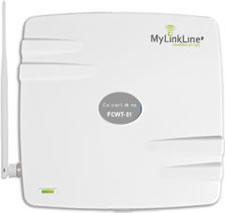
Florida Elevator Code – Elevator Phone Requirements ASME A17.1 & IBC**
- Two-way communication between elevator and authorized personnel
- On-site communications if over 60 ft of travel
- Communication between the elevator if elevator has remote machine room
- Answer by live authorized personnel – no automated answering
- Communication capability for onsite emergency personnel
- On-site monitoring if staffed 24/7 by authorized personnel
- Location identification on demand to authorized personnel
- Location identification without voice communication
- Hands-free devices only and telephone handsets are not allowed
- Phone automatlly answers when calling into elevator
- Automatic redirect if no answer onsite
- Monitoring the status of local telephone lines and issuing local alerts
**Florida also follows IBC 2018, which incorporates extra requirements for new elevators/construction projects
If your elevator travels over 60 feet. A two-way communication system will be installed in the elevator that provides both visible text and audible modes per code requirements. If you’re modernizing the elevator to ensure it complies with current codes, it’s advisable to consult your local Florida elevator code authority for guidance on the applicable regulations.
- Two-way message display in the elevator cab for hearing and/or speech impaired
- A method for authorized personnel to access video footage of passengers from any location within the cabin
- A mechanism triggered by emergency personnel to modify the cabin message, signaling that assistance has arrived on-site
Please be advised that we are committed to consistently delivering accurate and current adoption information. We diligently update our records as new Florida elevator code information becomes available.
Compliance oversight and inspections: What Florida expects from owners, property teams, and elevator contractors. The Florida elevator code is enforced by the state Bureau of Elevator Safety, which regulates elevators, escalators, and other conveyances, as well as the professionals who install, maintain, and inspect them. Florida elevator code compliance is not just about equipment. It is also about keeping your licensing, inspection records, and ownership details current so that your site remains inspection-ready. For property managers, the cleanest path is a repeatable monthly routine that tracks certificate status, inspection due dates, and any open deficiencies across every address and cab.
Inspection submissions and what is changing: How to avoid delays as reporting goes digital. Florida elevator code programs are shifting away from older paper-style inspection reporting, with electronic submittal becoming the standard through DBPR online accounts. That matters because missed or rejected submissions can slow renewals and create avoidable compliance stress. Florida elevator code compliance improves when your team knows who submits what, by when, and where the confirmation lives. If you manage many sites, treat inspection reporting like a workflow, not a one-time event, with simple checklists and a single folder for every inspection and correction record.
Permits and initial acceptance inspections: The steps that matter for new installs, relocations, and major work. Florida elevator code requirements put permit activity primarily on registered elevator companies, not building owners, for installing, relocating, or altering conveyances. Owners still play a critical role by coordinating access, scheduling, and readiness for the initial acceptance inspection that must happen before the unit is placed into normal service. If you are modernizing, plan the permit timeline early, so your elevator work does not stall at the finish line. The smoother the permit and acceptance process, the faster you can turn the elevator over without last-minute surprises.
Certificates of operation and renewals: How to keep operating authority current and visible. Florida elevator code requires an active Certificate of Operation for most regulated conveyances, and operating with an expired certificate can create immediate exposure during audits, complaints, or scheduled inspections. The Florida elevator code also ties renewal to a current satisfactory inspection, so the operational playbook is simple. Confirm the certificate expiration date, schedule inspections early, clear deficiencies fast, then renew on time. In multi-site portfolios, a shared tracker and a single owner for renewals can prevent the common problem of “everyone assumed someone else handled it.”
Service maintenance contracts and inspection exemptions: Where contracts become part of compliance. The Florida elevator code includes an annual inspection requirement in most cases, with limited exemptions that depend on the elevator type and a qualifying full-service maintenance contract. That puts contract management directly on the compliance critical path. Your contract needs to cover the right scope, your verification needs to be filed when required, and cancellations need to be handled immediately, so your inspection plan adjusts. When this is organized, owners and contractors spend less time arguing about paperwork and more time keeping equipment safe and reliable.
Emergency communication readiness: A practical way to reduce inspection risk tied to elevator phones. Florida elevator code expectations around emergency communications push owners to ensure passengers can reach authorized help and that responders can identify the location quickly. If you are still relying on aging copper lines, you can end up stuck waiting on a phone company visit while your modernization or turnover timeline slips. MyLinkLine helps you keep compliance moving by replacing landlines with code-focused cellular elevator phone lines and offering monitoring options that support your call handling requirements. The goal is simple: a working emergency line, clear records, and fewer failed inspections.
Frequently Asked Questions
Florida Elevator Code and Inspection Compliance
Who enforces elevator safety statewide in Florida
Florida elevator code oversight is handled through the state elevator safety program, including licensing, regulation, and enforcement activities tied to regulated conveyances.
Do all elevators need an annual inspection
Florida elevator code generally requires annual inspections, with limited exemptions that depend on elevator type and qualifying maintenance contract conditions.
Who can perform required inspections
Florida elevator code inspections are typically performed by properly credentialed inspectors who meet state requirements and are eligible to submit reports through the state process.
What is a Certificate of Operation and why does it matter
Florida elevator code expects most regulated conveyances to have a current Certificate of Operation, and expired certificates can trigger violations and delays.
What is an initial acceptance inspection
Florida elevator code requires an acceptance inspection before a new or substantially changed conveyance is placed into normal use, supporting safe turnover to the owner.
How should we handle modernization projects to stay compliant
Florida elevator code compliance is easier when modernization is planned around permit timing, inspection scheduling, deficiency correction, and documentation control.
Are elevator emergency phones part of compliance
The Florida elevator code includes emergency communication expectations, so the elevator phone line and call handling plan should be treated as inspection-critical.
Can we replace a landline elevator phone with cellular and still pass inspection
Florida elevator code outcomes depend on proper installation and a compliant emergency communications setup, and MyLinkLine cellular solutions are designed for code-focused deployments.
How can MyLinkLine help property managers and contractors with compliance work
Florida elevator code compliance improves when emergency phone lines are reliable, documentation is consistent, and testing support is repeatable, which is where MyLinkLine helps with cellular lines and monitoring options.
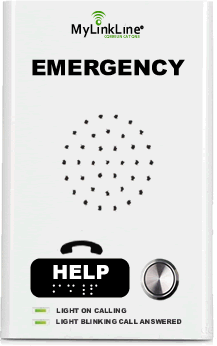
Emergency Elevator Phones
MyLinkLine will only install elevator telephones that meet code requirements. We also comply with ADA, ASME, ANSI and IBC codes in addition to all State and Local requirements if applicable. Volume pricing available.

Elevator Phone Monitoring Service
Our dispatch center has been delivering professional service for over twenty years. Our staff has extensive technical and interpersonal training to assist in emergency and non-emergency situations.
Lifetime Product Warranty
If any part of your elevator telephone(s) or elevator cellular landline fails at any time during your lifetime due to a defect in material or workmanship, we will repair or, at our option, replace the defective device at our cost***
Other Useful MyLinkLine Resources