

Nationwide Code Compliance Support
Georgia Elevator Code 2026
Regulations & Standards
Switch to Cellular Phone Lines and Save 30% or More!
Find the latest information on Georgia Elevator Code, laws, and safety standards. Our directories are updated monthly and include website links to help you quickly find the elevator codes and regulations for the state of Georgia (GA)
Georgia elevator codes impose a responsibility on building owners and property managers to adhere to specific requirements within elevators, ensuring the safety of all occupants. Failure to comply with these codes can result in penalties and potential legal action. While the particulars of the Georgia elevator code may differ at the state and local levels, three primary codes govern elevator safety: the American Society of Mechanical Engineers (ASME), the International Building Code (IBC), and the Americans with Disabilities Act (ADA).
ADA
The Americans with Disabilities Act (ADA) mandates unrestricted and equal access to services for individuals with disabilities.
IBC
The International Building Code (IBC) establishes precautions against hazards associated with constructed environments.
ASME
The American Society of Mechanical Engineers (ASME) plays a pivotal role in the development of codes and standards.
The State of Georgia (GA) currently operates under the 2019 ASME A17.1 and CSA B-44 Code
Georgia Elevator Code Authority
Authorities having jurisdiction are those government officials who are the final authority on questions in a particular area (or jurisdiction). The Safety Engineering Section oversees all elevators in the State.
The Safety Engineering section of the Fire Marshal’s office is responsible for approving the application and renewal of licenses, permits and plans as well as inspections.It is also important to note that ASME A17.1a states that all elevators have the annual pressure or safety test, and, if applicable, the five-year full load test. (excerpt from state website)

Georgia Elevator Code Contact Information:
2 Martin Luther King Jr. Dr.
West Tower, Suite 702
Atlanta, GA 30334
Georgia Elevator Code
Elevator Phone Requirements ASME A17.1
- Two-way communication between elevator and authorized personnel
- On-site communications if over 60 ft of travel
- Communication between the elevator if elevator has remote machine room
- Answer by live authorized personnel – no automated answering
- Communication capability for onsite emergency personnel
- On-site monitoring if staffed 24/7 by authorized personnel
- Location identification on demand to authorized personnel
- Location identification without voice communication
- Hands-free devices only and telephone handsets are not allowed
- Phone automatlly answers when calling into elevator
- Automatic redirect if no answer onsite
- Monitoring the status of local telephone lines and issuing local alerts
New elevator installations: If your elevator travels over 60 feet. A two-way communication system will be installed in the elevator that provides both visible text and audible modes per code requirements. If you’re modernizing the elevator it’s advisable to consult your local Georgia elevator code authority for guidance on the applicable regulations.
- Two-way message display in the elevator cab for hearing and/or speech impaired
A method for authorized personnel to access video footage of passengers from any location within the cabin - A mechanism triggered by emergency personnel to modify the cabin message, signaling that assistance has arrived on-site
Please be advised that we are committed to consistently delivering accurate and current adoption information. We diligently update our records as new Georgia elevator code information becomes available.
Georgia oversight and inspections: Who regulates and what gets checked
Georgia elevator code compliance runs through the Office of the Commissioner of Insurance and Safety Fire Commissioner, which oversees inspections and the professionals and firms that install, maintain, or service regulated conveyances. For owners and property managers, the practical goal is simple: keep every cab inspection ready and keep your documentation organized so nothing slips at renewal time. If you manage multiple buildings, build one repeatable process for every site so you always know what is due, what is pending, and what is closed.
Georgia elevator code inspections can be performed by the state or by approved private inspection firms, and the inspection workflow is increasingly documentation-driven. Inspection reports are expected to be submitted electronically, so missing uploads and incomplete records can create preventable delays. A solid compliance routine includes scheduling inspections early, confirming the inspector’s credentials, and saving the final report where your team can find it fast. That is the difference between a smooth renewal and a last-minute scramble.
Georgia elevator code places ongoing responsibility on the owner for safe operation, proper maintenance, and code-required testing. Maintenance records matter, and they should be kept at the location for the required retention period so you can produce them when asked. If your team stores records electronically, keep a printed copy on site as well so you are not stuck during an inspection. This is especially important when you have a portfolio, turnover, or multiple vendors touching the equipment.
Georgia elevator code also expects key proof to be visible to riders and inspectors, not hidden in a back office. Operating permits and inspection certificates have posting and placement expectations, and your building team should know exactly where they are displayed. Treat signage and posting like a checklist item during site walks. When certificates are missing, expired, or hard to locate, inspections tend to get harder, not easier.
Permits, modernization, and emergency communications: Planning work that passes inspections
Georgia elevator code is closely tied to permits and acceptance steps when you install, alter, relocate, or modernize equipment. One of the most common failures in modernization projects is treating permits as a contractor problem only. Owners still control access, scheduling, readiness, and closeout. The best outcomes happen when the permit path, acceptance inspection, and documentation plan are set before work begins, not after equipment is finished.
Georgia elevator code also includes clear expectations around safe operation during changes and events. When an accident or incident is reported, equipment may need to be taken out of service, and inspectors can seal equipment out of service when conditions create immediate danger or when deficiencies are not corrected in time. Your internal plan should define who calls, who documents, and who coordinates with the elevator contractor so the response is consistent across every property.
Georgia elevator code permit activity also becomes a timeline risk when projects sit open too long or require additional permit inspections. If you are doing a multi-site rollout, treat permitting like a project management workstream with owners, dates, and status updates. That reduces downtime and helps you avoid “stalled at the finish line” scenarios. Contractors move faster when the building side has a clear process for access, escorts, and inspection readiness.
Georgia elevator code compliance also includes emergency communication readiness, and this is where many properties get stuck waiting. If your elevator emergency line depends on aging copper infrastructure, repairs and turn-ups can delay reopening a cab, completing a modernization, or clearing an inspection item. MyLinkLine helps by replacing landlines with code-focused cellular elevator phone lines, plus monitoring options and testing support so your emergency communication plan is clear, documented, and easier to keep working across a portfolio.
Elevator Cellular Phone Lines
How to eliminate the cost of a traditional elevator phone line and save 35% or more
If you’re aiming to decrease elevator phone line expenses, we suggest transitioning to cellular technology. Our cellular elevator phone lines conform to ASME, ADA, and IBC codes, encompassing all requirements of the Georgia elevator code.
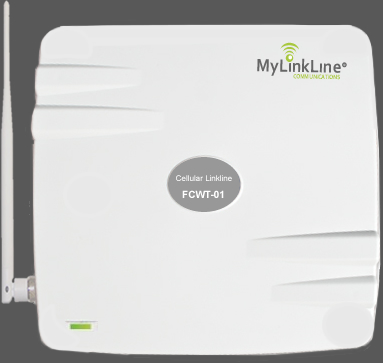
Cellular Connect™
Frequently Asked Questions
Georgia Elevator Code and Inspection Compliance
Georgia elevator code: Who enforces elevator safety statewide in Georgia
Elevator safety oversight is handled through the state program under the Office of the Commissioner of Insurance and the Safety Fire Commissioner, including inspections and regulation of covered conveyances and elevator professionals
Georgia elevator code: Do all elevators need an annual inspection
Most regulated conveyances require periodic inspections, and the exact schedule can vary by equipment type and use. Your elevator contractor or inspector can confirm your specific due dates.
Georgia elevator code: Who can perform required inspections
Inspections may be performed by state inspectors or by approved private inspection firms using certified inspectors, depending on the equipment type and the state’s requirements.
What records should we keep on site for inspections
Keep maintenance and testing documentation organized and accessible at the property. A simple binder or folder system by cab can prevent delays when an inspector requests proof.
Georgia elevator code: What permits are needed for modernization or major work
Permits are typically required for installation and certain alterations or major changes. Plan permit timing early so your project does not stall during closeout and acceptance steps.
What is an acceptance inspection and when is it needed
An acceptance inspection is the inspection used to approve certain new installations or significant work before placing equipment into service. Your contractor should coordinate timing and readiness.
Can a unit be taken out of service for noncompliance
Yes. If conditions create an immediate safety concern or deficiencies are not addressed, enforcement actions can include taking equipment out of service until issues are corrected.
Georgia elevator code: Are elevator emergency phones part of compliance
Yes. Emergency communications should connect riders to authorized help, support location identification, and response. Treat it as an inspection critical, not optional.
How can MyLinkLine help property managers and elevator contractors
MyLinkLine helps simplify compliance by providing code-focused cellular elevator phone lines, monitoring options, and practical testing support to keep emergency communications reliable and inspection-ready.
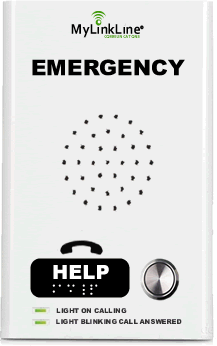
Emergency Elevator Phones
MyLinkLine will only install elevator telephones that meet code requirements. We also comply with ADA, ASME, ANSI and IBC codes in addition to all State and Local requirements if applicable. Volume pricing available.

Elevator Phone Monitoring Service
Our dispatch center has been delivering professional service for over twenty years. Our staff has extensive technical and interpersonal training to assist in emergency and non-emergency situations.

Lifetime Product Warranty
If any part of your elevator telephone(s) or elevator cellular landline fails at any time during your lifetime due to a defect in material or workmanship, we will repair or, at our option, replace the defective device at our cost***
Other Useful MyLinkLine Resources