
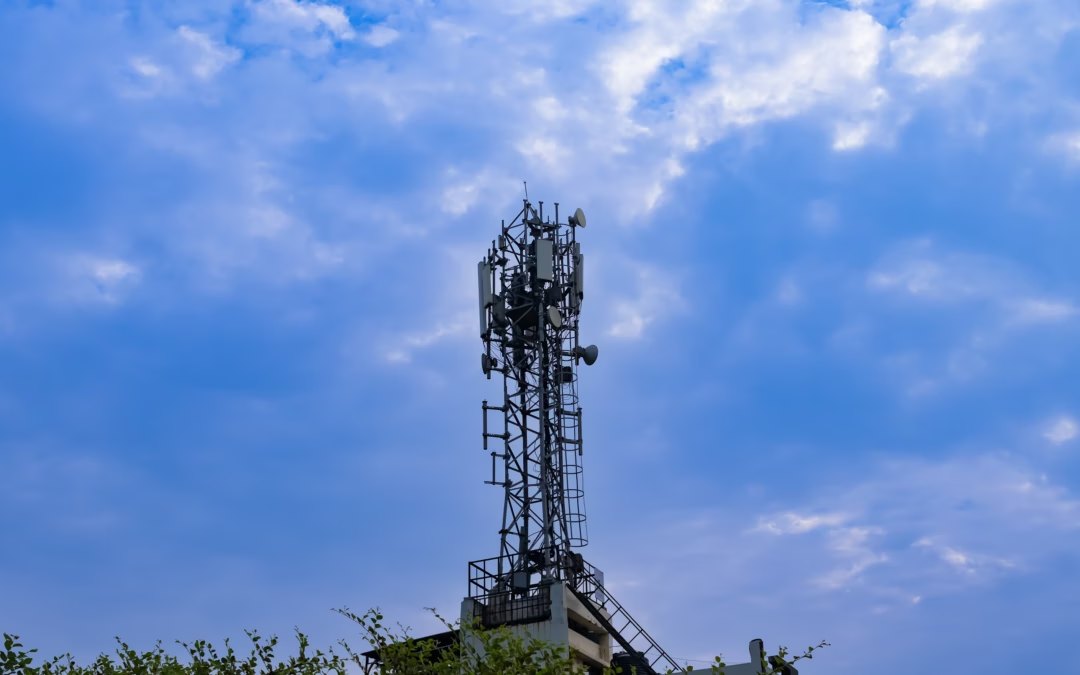
In the midst of an emergency, clear communication is essential. It can literally mean the difference between life and death. Whether it’s a natural disaster, an active threat, or a fire in a high-rise building, emergency personnel rely on robust communication systems to stay connected, coordinated, and in control. At MyLinkLine, we understand that these systems are critical to the safety of our communities. We’re proud to support the infrastructure that keeps first responders in touch when every second counts.
The Lifeline of Emergency Response
Communication is the backbone of any emergency response. Firefighters, paramedics, police officers, and other first responders operate in dynamic, high-pressure environments. For these first responders, real-time information is essential. Without fast, reliable communication tools, even the best-trained teams can face delays, confusion, or worse — missed opportunities to save lives.
That’s why we design our emergency communication systems to be more than just functional. They must be redundant, resilient, and interoperable. From two-way radios to area of refuge intercoms, these systems ensure that responders constantly stay informed and coordinated.
Challenges in Emergency Communication
Despite technological advancements, challenges persist. Outdated equipment, lack of funding, and infrastructure vulnerabilities can hinder effective communication. For instance, during the Maui wildfires, damaged cell towers and fiber optic lines disrupted communication, highlighting the need for more resilient systems.
Additionally, ensuring that communication systems are inclusive is crucial. Programs like the Linked Autism Safety Project in Wallingford, Connecticut, aim to improve emergency response for individuals with special needs by providing first responders with critical information about communication abilities and sensitivities .
Two-Way Communication: A Must-Have in Modern Emergency Management
At the core of any emergency communication network is two-way communication. Two-way communication isn’t just about dispatchers giving instructions. It’s about allowing personnel in the field to provide feedback, relay situational updates, and request support in real time.
MyLinkLine’s emergency elevator phones and area of refuge systems are prime examples. These systems allow individuals in distress to connect with emergency personnel directly. Individuals in distress can make sure their location and needs are known. Meanwhile, rescuers can offer reassurance, instructions, and status updates. This two-way dialogue is essential for managing panic. It improves response times and ensures a safe evacuation.
Redundancy and Resilience in Crisis
Emergencies don’t wait for perfect conditions. Communication systems must function even when infrastructure fails. Whether from fire damage, flooding, or a power outage, the communication systems must be reliable. That’s why reliable emergency systems often feature redundant lines, battery backups, and failover protocols to keep them running when it matters most.
At MyLinkLine, we design our systems with resilience in mind. We engineer our emergency communication systems to operate even in the most demanding conditions. We offer analog and VoIP options, remote testing, and UL-listed equipment. Our wide variety allows us to meet the highest standards for life safety.
Interoperability Across Agencies
In large-scale emergencies, multiple agencies often respond at once. Fire departments, EMS, law enforcement, utility companies, and more can arrive on scene. These teams must be able to communicate seamlessly, even if they’re using different technologies or communication platforms.
Interoperable systems are the key to cross-agency collaboration. Solutions like radio gateways, digital dispatch systems, and unified communications platforms help bridge the gap between departments. This ensures everyone has access to the same critical information in real time.
Keeping the Public Informed
Communication systems aren’t just for first responders. They’re also vital for keeping the public informed and safe. Systems like public address intercoms, emergency call boxes, and visual alerts play a key role in guiding building occupants or bystanders during an emergency.
MyLinkLine offers customizable emergency communication solutions. These systems integrate with fire alarm systems, video surveillance, and more. These integrations allow for automated responses, instant notifications, and real-time updates to both responders and civilians.
The Future of Emergency Communication
As technology evolves, so too do the tools available to emergency personnel. Next-generation systems now incorporate features like GPS tracking, AI-assisted dispatching, and mobile integration. But at the core, the goal remains the same: connect the right people at the right time with the right information.
MyLinkLine is committed to staying at the forefront of this evolution. We design our systems to scale with the future of emergency response. We ensure that communication never becomes a barrier to safety.
In an emergency, communication isn’t optional — it’s essential. MyLinkLine is proud to provide the systems that support our nation’s first responders. To learn more about our emergency communication solutions, contact us today.