

Nationwide Code Compliance Support
Illinois Elevator Code 2026
Regulations & Standards
Switch to Cellular Phone Lines and Save 30% or More!
Find the latest information on Illinois Elevator Code, laws, and safety standards. Our directories are updated monthly and include website links to help you quickly find the elevator codes and regulations for the state of Illinois (IL)
Illinois elevator codes impose a responsibility on building owners and property managers to adhere to specific requirements within elevators, ensuring the safety of all occupants. Failure to comply with these codes can result in penalties and potential legal action. While the particulars of the Illinois elevator code may differ at the state and local levels, three primary codes govern elevator safety: the American Society of Mechanical Engineers (ASME), the International Building Code (IBC), and the Americans with Disabilities Act (ADA).
ADA
The Americans with Disabilities Act (ADA) mandates unrestricted and equal access to services for individuals with disabilities.
IBC
The International Building Code (IBC) establishes precautions against hazards associated with constructed environments.
ASME
The American Society of Mechanical Engineers (ASME) plays a pivotal role in the development of codes and standards.
The State of Illinois (IL) currently operates under the 2019 ASME A17.1 and CSA B-44 Code.
Chicago, IL follows ASME17.1-2016.
Illinois Elevator Code Authority (IL)
Authorities having jurisdiction are those government officials who are the final authority on questions in a particular area (or jurisdiction).
The Elevator Safety Division is responsible for implementing the Elevator Safety and Regulation Act through the registration, inspection, and certification of conveyances, and the licensing of contractors, mechanics, inspectors, inspection companies, and apprentices.
The Division assures that conveyances are correctly and safely installed and operated within the State of Illinois outside the City of Chicago by regulating the design, installation, construction, operation, inspection, testing, maintenance, alteration, and repair of elevators, dumbwaiters, escalators, moving sidewalks, platform lifts, stairway lifts, and automated people movers in accordance with all applicable statutes and rules.
On February 19th, 2015, revisions to the Elevator Safety Rules (41 Il.Admin.Code 1000) reflecting prior amendments to the Elevator Safety and Regulation Act (“Act”) will become effective as State law.
Recent changes to the Act include both an extension of the Act’s sunset date (to 2023) and an accelerated compliance deadline for the upgrade requirements to the restricted opening of hoistway or passenger elevator doors (now January 1, 2014).
The revised Rules reflect historic changes to the Act by, among other things, adopting a new technology performance code (ASME A17.7), clarifying the duties and powers of the Local Administrator, updating Permit and Certificate fees, articulating procedures for the inspection and repair of non-compliant conveyances, and addressing the retention of conveyance-related documents by property owners, licensed conveyance inspection companies, and licensed conveyance contractors.(excerpt from state website)

Illinois Elevator Code Authority
Chicago Office
State Fire Marshal
100 W. Randolph St, Suite 4-600
Chicago, IL 60601
Springfield Office
State Fire Marshal
1035 Adlai Stevenson Drive
Springfield, IL 62704
Marion Office
State Fire Marshal
2309 W. Main Street
Marion, IL 62959
Elevator Cellular Phone Lines
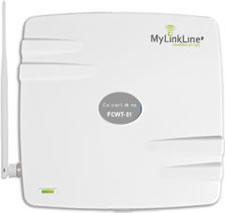
How to eliminate the cost of traditional elevator phone lines and save 35% or more. Our cellular elevator phone lines conform to ASME, ADA, and IBC codes, encompassing all requirements of the Illinois elevator code.
Illinois Elevator Code
Elevator Phone Requirements ASME A17.1 & IBC**
- Two-way communication between elevator and authorized personnel
- On-site communications if over 60 ft of travel
- Communication between the elevator if elevator has remote machine room
- Answer by live authorized personnel – no automated answering
- Communication capability for onsite emergency personnel
- On-site monitoring if staffed 24/7 by authorized personnel
- Location identification on demand to authorized personnel
- Location identification without voice communication
- Hands-free devices only and telephone handsets are not allowed
- Phone automatlly answers when calling into elevator
- Automatic redirect if no answer onsite
- Monitoring the status of local telephone lines and issuing local alerts
**Illinois elevator code authority also follows IBC 2018, which incorporates extra requirements for new elevators/construction projects
If your elevator travels over 60 feet. A two-way communication system will be installed in the elevator that provides both visible text and audible modes per code requirements. If you’re modernizing the elevator to ensure it complies with current codes, it’s advisable to consult your local Illinois elevator code authority for guidance on the applicable regulations.
- Two-way message display in the elevator cab for hearing and/or speech impaired
- A method for authorized personnel to access video footage of passengers from any location within the cabin
- A mechanism triggered by emergency personnel to modify the cabin message, signaling that assistance has arrived on-site
Please be advised that we are committed to consistently delivering accurate and current adoption information. We diligently update our records as new Illinois elevator code information becomes available.
Illinois elevator safety oversight and inspection flow
Illinois elevator code compliance starts with the Office of the State Fire Marshal Elevator Safety Division for most of Illinois outside the City of Chicago. Illinois elevator code is enforced through conveyance registration, licensing of contractors and inspectors, and documented inspection results that support a Certificate of Operation. For property managers, the practical takeaway is simple: keep your records clean and current because the paperwork trail is what proves compliance when an inspector asks.
Illinois elevator code also ties closely to how you schedule inspections. After registration, an inspection by a state licensed inspector is the trigger for your next step. If your site is in a municipality with an agreement to run its own program, the local process may differ, but your compliance burden stays the same: verify jurisdiction early, confirm inspection cadence, then keep your inspection report and certificate where they belong for quick review.
Illinois elevator code violations have real timelines. If an inspection turns up violations, owners generally have a defined window to correct issues and document that the conveyance is back in compliance. That is where project management matters: assign ownership, track due dates, and avoid letting small items turn into repeat findings. MyLinkLine helps on the emergency communications side by reducing phone line downtime that can derail an otherwise ready inspection.
Illinois permits, modernization, and paperwork that can stall projects
Illinois elevator code modernization work often triggers permit steps, especially when work is more than routine maintenance. Illinois elevator code permitting commonly separates new installations from material alterations, and fees can vary by action type. The most common pitfall is waiting until the job is ready to start before confirming what must be filed, where it must be filed, and whether payment is invoiced later or required with the submission for certain permit or variance actions.
Illinois elevator code compliance also depends on keeping the Certificate of Operation current. Initial certificates and annual renewals are fee based, and expired certificates can create scheduling headaches with contractors, inspectors, and building operations. Illinois elevator code allows a limited extension pathway in specific situations so an owner can schedule inspection and keep work moving, but you still want to treat extensions as a last resort, not a plan.
Illinois elevator code requirements for emergency communications can become the hidden blocker in modernization. If your elevator phone is unreliable, you risk inspection delays, failed checks, and a longer timeline to turn equipment back over to operations. Illinois elevator code also forced many elevators to handle 10 digit dialing changes in certain area codes, which is a good reminder to treat elevator phones like life safety devices that must be actively managed. MyLinkLine supports compliance with code focused cellular lines, testing support, and optional monitoring so calls route correctly and issues get caught before an inspection does.
Frequently Asked Questions
Illinois Elevator Code and Inspection Compliance
Who enforces Illinois elevator code rules statewide?
For most of the state, the Office of the State Fire Marshal Elevator Safety Division oversees registration, licensing, inspections, and certificates. If you are in a municipality with an agreement, the local program may handle parts of the process.
Do I need to register every elevator and other conveyance?
Yes. Registration is typically required for each conveyance, and you receive an identification tag tied to that registration.
How often are inspections required under Illinois elevator code?
Illinois elevator code generally expects an annual inspection for many conveyances under state jurisdiction. Some municipalities with their own programs may require more frequent inspections, so confirm local requirements.
What is a Certificate of Operation and why does it matter?
It is the document that shows your conveyance passed inspection and is authorized to operate. Without it, you can run into operational limits and delays with service and inspection scheduling.
What fees should owners budget for each year?
Common costs include registration, certificate renewal, and any permit fees tied to upgrades. Your exact total depends on the number of conveyances and the type of work performed.
When do I need a permit for upgrades or repairs?
Permits are commonly required for new installations and material alterations. Routine maintenance is different from work that changes equipment in a meaningful way, so align the scope with your contractor and the authority before work begins.
What happens if my Certificate of Operation expires?
An expired certificate can create restrictions and extra fees, and it can slow down work scheduling. Illinois elevator code has an extension path in limited situations, but it is better to renew on time.
What are typical correction timelines if violations are found?
Owners are often given a defined period to correct violations, then the conveyance must be brought back into compliance and documented appropriately.
How do emergency phone requirements relate to Illinois elevator code inspections?
Inspectors expect the emergency communication system to work reliably. Illinois elevator code issues can arise if calls fail, dialing rules are not updated, or the phone line is down during testing.
How does MyLinkLine help with Illinois elevator code compliance?
MyLinkLine helps reduce inspection risk by keeping emergency communications dependable with code-focused cellular service, support for testing, and optional monitoring so problems are spotted and handled before they become inspection failures.
Emergency Elevator Phones
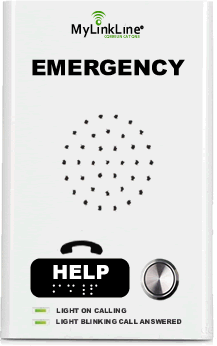
MyLinkLine will only install elevator telephones that meet code requirements. We also comply with ADA, ASME, ANSI and IBC codes in addition to all State and Local requirements if applicable. Volume pricing available.

Elevator Phone Monitoring Service
Our dispatch center has been delivering professional service for over twenty years. Our staff has extensive technical and interpersonal training to assist in emergency and non-emergency situations.

Lifetime Product Warranty
If any part of your elevator telephone(s) or elevator cellular landline fails at any time during your lifetime due to a defect in material or workmanship, we will repair or, at our option, replace the defective device at our cost***
Other Useful MyLinkLine Resources