

Nationwide Code Compliance Support
Indiana Elevator Code 2026
Regulations & Standards
Find the latest information on Indiana Elevator Code, laws, and safety standards. Our directories are updated monthly and include website links to help you quickly find the elevator codes and regulations for the state of Indiana (IN)
Indiana elevator codes impose a responsibility on building owners and property managers to adhere to specific requirements within elevators, ensuring the safety of all occupants. Failure to comply with these codes can result in penalties and potential legal action. While the particulars of the Indiana elevator code may differ at the state and local levels, three primary codes govern elevator safety: the American Society of Mechanical Engineers (ASME), the International Building Code (IBC), and the Americans with Disabilities Act (ADA).
ADA
The Americans with Disabilities Act (ADA) mandates unrestricted and equal access to services for individuals with disabilities.
IBC
The International Building Code (IBC) establishes precautions against hazards associated with constructed environments.
ASME
The American Society of Mechanical Engineers (ASME) plays a pivotal role in the development of codes and standards.
The State of Indiana (IN) currently operates under the 2007 ASME A17.1 and CSA B-44 Code
About the Elevators and Amusement Rides Section
The Elevators and Amusement Rides Section regulates two of the safest modes of transportation that exist today: elevators and amusement rides. As with any mechanical device, accidents can occur. However, the safety requirements for these devices are robust and accidents are infrequent. It has been estimated that 275 million people travel 95,000 miles every day by elevator.

There are approximately 20,000 regulated lift devices (such as elevators, escalators, and amusement rides) in Indiana. Ensuring the safety of these mechanical devices are nationally certified inspectors. These inspectors perform inspections annually in office buildings, factories, hospitals, schools, nursing homes, and in other not-so-common places such as TV towers, smokestacks, steel mills, and grain storage buildings.
These same inspectors will be found at fairgrounds, theme parks, and indoor amusement parks inspecting amusement rides throughout the spring, summer, and fall and at ski lodges in the winter.
All National Association of Amusement Ride Safety Officials (NAARSO) are Level 1 certified amusement inspectors. The amusement ride inspectors completed 1,936 amusement ride inspections in 2022.
Elevator Cellular Phone Lines
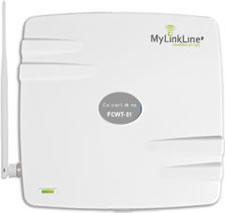
How to eliminate the cost of traditional elevator phone lines and save 35% or more. Our cellular elevator phone lines conform to ASME, ADA, and IBC codes, encompassing all requirements of the Indiana elevator code.
Indiana Elevator Code
Elevator Phone Requirements ASME A17.1
- Two-way communication between elevator and authorized personnel
- On-site communications if over 60 ft of travel
- Communication between the elevator if elevator has remote machine room
- Answer by live authorized personnel – no automated answering
- Communication capability for onsite emergency personnel
- On-site monitoring if staffed 24/7 by authorized personnel
- Location identification on demand to authorized personnel
- Location identification without voice communication
- Hands-free devices only and telephone handsets are not allowed
- Phone automatlly answers when calling into elevator
- Automatic redirect if no answer onsite
Indiana Permits and Inspections for Regulated Lifting Devices
Description: How Indiana’s process works in plain language for property teams and elevator contractors.
In Indiana, elevator safety oversight runs through the Indiana Department of Homeland Security Division of Fire and Building Safety. For owners and property managers, the practical takeaway is simple: keep permits current, keep inspection documentation organized, and make sure every life safety device works on demand. Indiana elevator code compliance is easier when you treat it like an operating routine, not a once-a-year scramble.
If you are installing a new regulated lifting device or making certain alterations, the state expects permitting before work begins. That includes many modernization projects that change how the equipment operates or how safety systems perform. Indiana elevator code planning should start at the scope stage so your contractor, inspector, and building team are aligned before equipment is opened up.
Annual inspections are a core part of the Indiana program, and your operating certificate depends on staying current with the renewal cycle and supporting documents. Indiana elevator code readiness often comes down to paperwork and proof: what was tested, who witnessed it, and what was corrected. Build a simple folder per elevator with permits, test records, inspection notes, and your emergency communication documentation.
Indiana also places attention on reporting safety testing results as part of the renewal process for regulated lifting devices, including the outcomes you might not want to highlight. Indiana elevator code best practice is to treat testing as a documented workflow: schedule tests early, capture results cleanly, and keep copies accessible for renewals and audits.
Fees and Scheduling Details You Can Plan Around
Description: What typically drives timelines, costs, and inspection outcomes in Indiana.
Indiana posts standard fees for common elevator permitting and certification actions, which helps you forecast budgets across a portfolio. In many cases, an installation or alteration permit fee applies, and operating certificates and temporary permits have their own published costs. Indiana elevator code budgeting is smoother when you account for permits and certificates alongside the modernization project cost, not after the work is already in motion.
Indiana elevator code execution also depends on who witnesses and attests to the required tests. When acceptance or periodic tests are required, the work may need a licensed inspector and proper attestations. For some scenarios, a third-party inspector may be involved to keep oversight independent. That means your schedule should include time for coordination, not just labor and parts.
Emergency communication is one of the most common inspection stress points because it blends elevator hardware, telecom, and human response. Indiana elevator code expectations are typically met when the elevator can place a clear emergency call to authorized personnel, the call is answered by a live party, and location details can be confirmed quickly. If your emergency phone relies on aging copper lines, you are adding avoidable risk before inspection day.
MyLinkLine helps simplify Indiana elevator code compliance by replacing unreliable landlines with code-focused cellular elevator phone service, plus optional monitoring that answers calls and follows your notification instructions. We also help you document testing and keep each site consistent, so inspectors, elevator contractors, and building teams are not guessing when it matters most.
When modernization is delayed, it is often because one missing item blocks the whole closeout: permit timing, testing documentation, or the emergency line not passing. Indiana elevator code readiness improves when you run a pre-inspection checklist, confirm the emergency phone path end-to-end, and verify who is responsible for each submission. That is where a standardized approach across all properties saves time and reduces surprises.
If you manage multiple buildings, treat compliance like a dashboard: permit status, inspection dates, certificate renewals, and emergency phone status for every elevator. Indiana elevator code consistency across locations reduces the odds of a single elevator holding up a property opening, renovation, closeout, or tenant move-in.
Please be advised that we are committed to consistently delivering accurate and current adoption information. We diligently update our records as new Indiana elevator code information becomes available.
Frequently Asked Questions
Indiana Elevator Code and Inspection Compliance
Who enforces elevator compliance in Indiana
Indiana’s elevator oversight is handled through the state’s fire and building safety organization. For most owners, the main interaction is permits, inspections, and operating certificates. If you need help aligning your emergency phone setup to what inspectors expect, MyLinkLine can help you standardize it to support Indiana elevator code compliance.
How often are elevators inspected in Indiana
Inspections are typically part of an annual cycle for regulated lifting devices. The best move is to schedule early, confirm the documentation you will need, and verify your emergency communication works before the inspector arrives, especially for Indiana elevator code readiness.
When do I need an installation or alteration permit
If you are installing a new device or performing work that qualifies as an alteration, permitting is generally expected before work begins. Your elevator contractor can confirm scope, and MyLinkLine can make sure the emergency phone portion is not the item that delays Indiana elevator code closeout.
Do modernization projects trigger extra testing or paperwork
Modernizations often involve required tests and attestations, depending on what changes. Plan for inspector coordination and keep test records organized. A clean documentation package helps your team avoid last-minute surprises tied to Indiana elevator code requirements.
What happens if I miss a renewal or certificate step
Missing a renewal step can delay your operating certificate and create building-level headaches. Keep a calendar for each elevator, store documentation in one place, and confirm payments and submissions are complete. This kind of organization supports Indiana elevator code compliance across a portfolio.
What should I do before an inspection to reduce risk
Run a pre-inspection checklist: verify the elevator’s emergency phone can call out, confirm a live answer, confirm location identification, and confirm your team knows who responds. MyLinkLine can help test and validate the emergency call path to support Indiana elevator code outcomes.
Does Indiana require a working elevator emergency phone
Most elevators must have reliable emergency communication that connects occupants to authorized help. Inspectors commonly focus on whether the call completes successfully and whether it is answered appropriately. If your current setup is tied to unreliable phone service, it can create avoidable Indiana elevator code failures.
Can I use cellular service instead of a traditional landline
In many buildings, a cellular-based dedicated line can meet the functional requirements when installed and configured correctly. MyLinkLine specializes in code-focused cellular elevator phone service that supports Indiana elevator code compliance while simplifying management across locations.
What is the biggest telecom related reason elevators fail inspection
A common issue is the emergency call not completing, not being answered by a live party, or having unclear location details. Addressing this before inspection day is critical. MyLinkLine helps reduce these problems and keep Indiana elevator code compliance predictable.
How can property managers keep multi-site compliance organized
Use a simple per-elevator record: permits, certificates, inspection dates, test documentation, and emergency phone status. Standardization across all sites lowers time spent coordinating vendors. MyLinkLine can help you keep the emergency phone piece consistent for Indiana elevator code readiness.
Emergency Elevator Phones
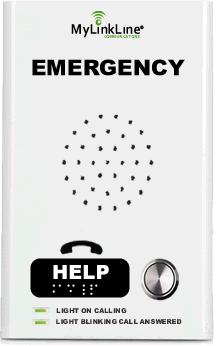
MyLinkLine will only install elevator telephones that meet code requirements. We also comply with ADA, ASME, ANSI and IBC codes in addition to all State and Local requirements if applicable. Volume pricing available.

Elevator Phone Monitoring Service
Our dispatch center has been delivering professional service for over twenty years. Our staff has extensive technical and interpersonal training to assist in emergency and non-emergency situations.

Lifetime Product Warranty
If any part of your elevator telephone(s) or elevator cellular landline fails at any time during your lifetime due to a defect in material or workmanship, we will repair or, at our option, replace the defective device at our cost***
Other Useful MyLinkLine Resources