

Nationwide Code Compliance Support
Kansas Elevator Code 2026
Regulations & Standards
Switch to Cellular Phone Lines and Save 30% or More!
Find the latest information on Kansas Elevator Code, laws, and safety standards. Our directories are updated monthly and include website links to help you quickly find the elevator codes and regulations for the state of Kansas (KS)
Kansas elevator codes impose a responsibility on building owners and property managers to adhere to specific requirements within elevators, ensuring the safety of all occupants. Failure to comply with these codes can result in penalties and potential legal action. While the particulars of the Kansas elevator code may differ at the state and local levels, three primary codes govern elevator safety: the American Society of Mechanical Engineers (ASME), the International Building Code (IBC), and the Americans with Disabilities Act (ADA).
ADA
The Americans with Disabilities Act (ADA) mandates unrestricted and equal access to services for individuals with disabilities.
IBC
The International Building Code (IBC) establishes precautions against hazards associated with constructed environments.
ASME
The American Society of Mechanical Engineers (ASME) plays a pivotal role in the development of codes and standards.
Kansas: Follows ASME A17.1-2022
Kansas Elevator Code Authority
Authorities having jurisdiction are those government officials who are the final authority on questions in a particular area (or jurisdiction). All elevator owners who require a certification should contact an independent inspector who will inspect the unit and witness the annual safety or pressure test.
It is also important to note that ASME A17.1a states that all elevators have the annual pressure or safety test, and, if applicable, the five-year full load test.
Statehouse Address
300 S.W. 10th Ave.
Topeka, KS 66612
Elevator Cellular Phone Lines
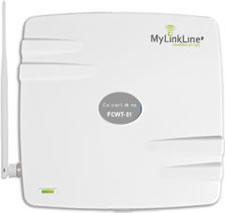
How to eliminate the cost of traditional elevator phone lines and save 35% or more. Our cellular elevator phone lines conform to ASME, ADA, and IBC codes, encompassing all requirements of the Kansas elevator code.
Kansas also follows IBC 2018, which includes additional requirements for new elevator installations.
If your elevator travels over 60 feet. A two-way communication system will be installed in the elevator that provides both visible text and audible modes per code requirements. If you’re modernizing the elevator it’s advisable to consult your local Kansas elevator code authority for guidance on the applicable regulations.
- Two-way message display in the elevator cab for hearing and/or speech impaired
A method for authorized personnel to access video footage of passengers from any location within the cabin - A mechanism triggered by emergency personnel to modify the cabin message, signaling that assistance has arrived on-site
Please be advised that we are committed to consistently delivering accurate and current adoption information. We diligently update our records as new Kansas elevator code information becomes available.
Kansas Oversight and Annual Inspection Flow
Description: Who enforces it, and what owners must keep current to stay ready
In Kansas, the Kansas elevator code is tied to the Kansas Elevator Safety Act and is administered through the Office of the State Fire Marshal. Owners and property managers are expected to keep each conveyance registered, maintain current documentation, and plan for an annual inspection performed by a state-licensed inspector. After an inspection, the operating certificate is issued through the state process, so missing paperwork can slow everything down. Treat the Kansas elevator code as a record-keeping system: inspection report, correction notes, and proof of completion in one place.
For multi-site portfolios, the Kansas elevator code is easier when you standardize your compliance file for every address. MyLinkLine supports your process by upgrading emergency phone service to a code-focused cellular solution, then helping you keep clean testing documentation that is easy to share during inspections. When you want more structure, monitoring can add consistent call handling and a simple audit trail for life safety communication readiness.
Permits, Modernization, and What Triggers Reinspection
Description: How contractors and building teams avoid delays during upgrades and turnovers
Modernization work in Kansas often involves permits through the state program and coordination with your inspection timeline. The Kansas elevator code also connects to licensing rules for contractors, mechanics, and inspectors, so your project team needs the right credentials before work starts. Build your schedule around permit issuance, the required tests, and the acceptance or follow-up inspection so your turnover date is not held up by a documentation gap.
If a deficiency is found, Kansas expects corrections to be completed within the required timeframe, with reinspections commonly tied to life safety items. Under the Kansas elevator code, emergency communications and signaling issues can trigger reinspection, which is why elevator phone readiness matters. MyLinkLine helps by replacing unreliable phone lines, validating call completion, and keeping test logs so your elevator contractor can focus on the mechanical scope while you stay inspection-ready.
Frequently Asked Questions
Kansas Elevator Code and Inspection Compliance
Who enforces elevator rules in Kansas?
The state program is administered through the Office of the State Fire Marshal. For owners, Kansas elevator code compliance is mainly about annual inspections, prompt corrections, and keeping your paperwork organized.
How often does Kansas require elevator inspections?
Most conveyances are expected to have an annual inspection. Your elevator contractor can help plan testing and maintenance so you are ready when the inspector arrives.
Do I need a permit for modernization or alterations?
Many alterations require permits and a planned inspection sequence. Talk with your elevator contractor early so the permit step and testing do not delay your schedule.
What happens if my elevator fails inspection?
You will receive deficiencies that must be corrected, and certain issues can require reinspection. Kansas elevator code readiness improves when you track each correction to completion and keep proof in your building file.
What should I do about the elevator emergency phone before inspection day?
Make sure calls connect reliably, and the location is clear to the receiving party. Kansas elevator code inspections often focus on life safety communication. MyLinkLine can replace aging lines with cellular service and provide documentation from routine testing.
Can I use a cellular line for an elevator emergency phone in Kansas?nspection day?
Yes, as long as performance and documentation support your site requirements. MyLinkLine helps Kansas elevator code compliance with cellular options, testing support, and optional monitoring.
Emergency Elevator Phones
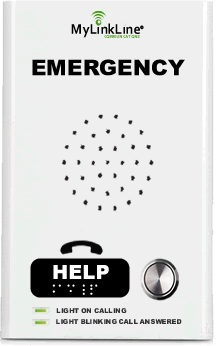
MyLinkLine will only install elevator telephones that meet code requirements. We also comply with ADA, ASME, ANSI and IBC codes in addition to all State and Local requirements if applicable. Volume pricing available.

Elevator Phone Monitoring Service
Our dispatch center has been delivering professional service for over twenty years. Our staff has extensive technical and interpersonal training to assist in emergency and non-emergency situations.
Lifetime Product Warranty
If any part of your elevator telephone(s) or elevator cellular landline fails at any time during your lifetime due to a defect in material or workmanship, we will repair or, at our option, replace the defective device at our cost***
Other Useful MyLinkLine Resources