

Nationwide Code Compliance Support
Massachusetts Elevator Code | 2026
Regulations & Standards
Switch to Cellular Phone Lines and Save 30% or More!
Find the latest information on Massachusetts Elevator Code, laws, and safety standards. Our directories are updated monthly and include website links to help you quickly find the elevator codes and regulations for the state of Massachusetts (MA)
Massachusetts elevator codes impose a responsibility on building owners and property managers to adhere to specific requirements within elevators, ensuring the safety of all occupants. Failure to comply with these codes can result in penalties and potential legal action. While the particulars of the Massachusetts elevator code may differ at the state and local levels, three primary codes govern elevator safety: the American Society of Mechanical Engineers (ASME), the International Building Code (IBC), and the Americans with Disabilities Act (ADA).
ADA
The Americans with Disabilities Act (ADA) mandates unrestricted and equal access to services for individuals with disabilities.
IBC
The International Building Code (IBC) establishes precautions against hazards associated with constructed environments.
ASME
The American Society of Mechanical Engineers (ASME) plays a pivotal role in the development of codes and standards.
The State of Massachusetts (MA) currently operates under the 2013 ASME A17.1 and CSA B-44 Code
Massachusetts Elevator Code Authority
The Office of Public Safety and Inspections (OPSI) serves the building construction and design, recreational tramway and amusement industries, and a host of other construction-related communities.
The OPSI mission is to promote safety in design, construction, installation, inspection, operation, repair and alteration of elevators, buildings, amusement and tramway devices and includes oversight of Massachusetts Building Code 780 CMR.
The Public Safety and Inspections office also oversees safe ingress and egress in all new and existing buildings for persons with physical disabilities through inspections, licensing, compliance, and regulation writing. OPSI licenses, certifies, registers or approves individuals in a wide variety of areas and approves continuing education programs for licensees.
Office of Public Safety and Inspections
Elevator Cellular Phone Lines
How to eliminate the cost of traditional elevator phone lines and save 35% or more. Our cellular elevator phone lines conform to ASME, ADA, and IBC codes, encompassing all requirements of the Massachusetts elevator code.
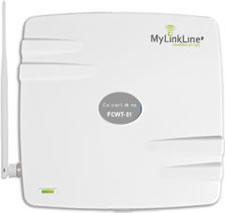
Massachusetts Elevator Code
Elevator Phone Requirements ASME A17.1
- Two-way communication between elevator and authorized personnel
- On-site communications if over 60 ft of travel
- Communication between the elevator if elevator has remote machine room
- Answer by live authorized personnel – no automated answering
- Communication capability for onsite emergency personnel
- On-site monitoring if staffed 24/7 by authorized personnel
- Location identification on demand to authorized personnel
- Location identification without voice communication
- Hands-free devices only and telephone handsets are not allowed
- Phone automatlly answers when calling into elevator
- Automatic redirect if no answer onsite
- Monitoring the status of local telephone lines and issuing local alerts
Massachusetts Elevator Code Compliance
OPSI and the Authority Having Jurisdiction
Know who enforces elevator safety and where decisions are made
In Massachusetts, elevator safety is overseen through the state process that governs construction, alteration, inspections, and enforcement. Massachusetts elevator code comes into play anytime you are installing equipment, changing how an elevator operates, or keeping a unit legal for public use. If you manage multiple properties, treat the state authority as your anchor point for consistent expectations, documentation, and dispute resolution when requirements feel unclear. When a question affects life safety or inspection sign-off, align early with your elevator contractor and the inspector so the project stays on schedule.
Inspections and required sign-off
Plan for routine checks and avoid last-minute surprises
Inspections are the moment when paperwork, physical condition, and communication systems all meet. Massachusetts elevator code compliance is easier when you keep a single folder for each unit that includes past inspection results, corrective actions, and contact information for emergency response. Property teams often get caught when an elevator passes mechanically but fails on the communication side due to weak audio, unreliable dialing, or missed calls. Building owners can reduce risk by testing the emergency phone regularly and tracking results like any other life safety device.
Inspection certificates and renewals
Keep certificates current to protect tenants and reduce liability
Certificates are not just a formality. They are the visible proof that the elevator is cleared for operation and that the building has met its responsibilities. Massachusetts elevator code expectations typically require timely renewals and clear documentation that the elevator is safe and properly maintained. If you manage renewals across many sites, set a recurring internal process that starts well before expiration, so scheduling with the inspector and the elevator contractor does not become a scramble. When a certificate is delayed, it can create downtime risk and tenant complaints.
Modernization and alteration planning
Treat upgrades like a compliance project, not just a repair
Modernization brings opportunity, but it also brings code exposure. Massachusetts elevator code considerations may expand when you change fixtures, controllers, door equipment, machine room layouts, or emergency communication hardware. Even if the work seems minor, it can trigger review expectations, testing, or additional upgrades to meet current requirements. The safest approach is to define the scope in writing, confirm what the inspector will expect at final sign off, and make sure all parties agree before equipment is ordered or work begins.
Permits and plan review coordination
Reduce delays by aligning scope, drawings, and approvals early
Many projects stall when the technical work is ready, but the approval path is not. Massachusetts elevator code-related reviews can involve permits, documentation, and acceptance testing expectations that vary by project type. Elevator contractors and building teams should align on drawings, equipment cut sheets, and the expected inspection steps so the job does not get stuck waiting for missing details. A tight plan also helps prevent the common problem of installing something that works mechanically but fails inspection due to missing compliance elements.
Acceptance testing and documentation
Close projects faster with clear testing and a clean paper trail
Acceptance testing is where projects either finish smoothly or drag on. Massachusetts elevator code expectations are best met when the team plans tests, ensures the right personnel are present, and prepares the documentation needed for inspection day. When testing includes emergency communication, you want consistent call completion, clear audio, and a reliable path to authorized personnel. A simple testing checklist, captured results, and a designated point of contact can prevent repeat visits and reduce the risk of an inspection failure.
Licensing and qualified work
Make sure the right people touch the regulated equipment
Licensing matters because elevator systems are not a general trade scope. Massachusetts elevator code compliance depends on work being performed and signed off by qualified parties, using approved methods. Building owners should confirm that vendors working on elevator equipment and related safety systems are appropriately licensed for the work they perform. This is especially important during modernization, when multiple subcontractors may touch wiring, communication devices, and power systems. Clear responsibility prevents gaps where each vendor assumes someone else handled a compliance requirement.
Variances and exceptions
Use the formal process when the building cannot reasonably comply
Historic buildings, tight hoistways, and structural constraints can create real hardships. Massachusetts elevator code allows a path to request relief when strict compliance is not practical, but that relief should be documented and approved through the proper channel. The key is to treat a variance as a structured safety argument, not an informal workaround. Work with your elevator contractor to define the hardship, propose an alternate method that protects users, and keep the decision with the elevator records for future inspections and property transitions.
Emergency communication reliability
Focus on call completion, clarity, and consistent response
Emergency phones are a life safety system, not a convenience feature. Massachusetts elevator code requirements emphasize reliable two-way communication and response by appropriate personnel. Property managers should manage this like any other critical system by ensuring the line stays active, the device works during building disruptions, and calls consistently reach a live responder. If your elevator phone depends on aging infrastructure, reliability can become your weak link at the worst time, such as during a power issue or a service outage.
Live answer expectations
Reduce risk by ensuring the call reaches a real person
From an occupant’s perspective, the most important moment is when the call gets answered. Massachusetts elevator code expectations commonly focus on the call being received by authorized personnel who can act, not a dead end. Buildings with multiple sites often struggle here because call routing changes over time, and no one notices until an inspection or emergency exposes the gap. A managed approach that includes routine test calls, documented outcomes, and clear escalation contacts helps you prove performance and protect residents, guests, and staff.
Multi-site compliance management
Standardize your process across buildings and vendors
Consistency is how you reduce owner dependency and avoid recurring compliance problems. Massachusetts elevator code compliance becomes easier when you standardize how you track inspections, certificates, vendor contacts, and phone testing across every property. Create one repeatable workflow with clear roles for the property team and the elevator contractor. When a new building is added, you plug it into the same system rather than reinventing the process. This approach also shortens the time needed to troubleshoot inspection issues.
What inspectors tend to flag
Fix small issues early so they do not become failed inspections
Inspection outcomes often hinge on details that feel minor until they stop sign off. Massachusetts elevator code-related issues can include missing documentation, unclear emergency phone performance, inconsistent call routing, or outdated devices that do not meet current communication expectations. The fastest path is to run a pre-inspection check that includes a phone test, verification of response contacts, and a quick review of records. When you handle these before the inspector arrives, you reduce repeat visits and protect your schedule.
How MyLinkLine supports compliance
Make the emergency phone portion simpler to manage
MyLinkLine helps building owners and elevator contractors by providing cellular elevator phone lines and optional elevator phone monitoring support, so the emergency communication piece is easier to deploy and easier to manage across sites. Massachusetts elevator code compliance work often stalls when the phone line is unreliable or difficult to coordinate with legacy providers, especially during modernizations and turnovers. By shifting the focus to a managed cellular approach, you can reduce coordination delays, keep testing consistent, and support a smoother path through inspection and certificate renewal workflows.
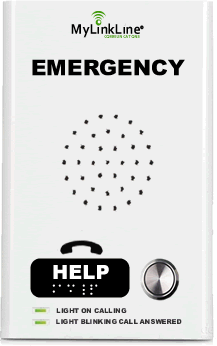
Emergency Elevator Phones
MyLinkLine will only install elevator telephones that meet code requirements. We also comply with ADA, ASME, ANSI and IBC codes in addition to all State and Local requirements if applicable. Volume pricing available.

Elevator Phone Monitoring Service
Our dispatch center has been delivering professional service for over twenty years. Our staff has extensive technical and interpersonal training to assist in emergency and non-emergency situations.

Lifetime Product Warranty
If any part of your elevator telephone(s) or elevator cellular landline fails at any time during your lifetime due to a defect in material or workmanship, we will repair or, at our option, replace the defective device at our cost***
Frequently Asked Questions
Massachusetts Elevator Code and Inspection Compliance
What does Massachusetts elevator code cover for building owners
It governs the safety expectations tied to installation, operation, maintenance, and how upgrades are handled over time. Owners should treat it as a living compliance requirement that influences inspections, documentation, and emergency communication performance.
How do I know when an inspection certificate is due for renewal
Ask your inspector or elevator contractor for the current certificate status and renewal timing for each unit, then track it internally with reminders. Massachusetts elevator code compliance is easier when renewals are scheduled early enough to fix issues before the due date.
Who is responsible for scheduling inspections under Massachusetts elevator code
In most buildings, the owner or property manager coordinates scheduling, while the elevator contractor prepares the equipment for inspection. Keep one internal owner for scheduling so nothing slips during staff transitions.
What should we have ready on inspection day
Have records of prior inspections, corrective work, and service contacts available. Also, test the emergency phone before the inspector arrives. Massachusetts elevator code outcomes often improve when the phone call is answered quickly and clearly during verification.
Can a modernization trigger additional requirements
Yes. Even small alterations can expand what the inspector expects to see at sign-off. Massachusetts elevator code requirements may apply differently depending on the scope, so confirm expectations before equipment is ordered.
What is a variance request in Massachusetts elevator code terms
A variance is a formal request for relief when strict compliance is not practical due to building constraints. It should be documented, supported with a safety-based alternative, and kept with the elevator records for future inspections.
What can cause an elevator to fail inspection even if it runs fine
Communication problems are common, such as weak audio, failed dialing, or calls not reaching a live responder. Massachusetts elevator code compliance includes life safety communication performance, not just mechanical operation.
Does Massachusetts elevator code require a live person to answer the emergency call
Many enforcement expectations focus on the call reaching authorized personnel who can respond, not an unattended endpoint. Confirm the exact expectation with your inspector for your property type and usage.
How often should we test the elevator emergency phone
Test often enough to catch failures before an inspection or incident. Massachusetts elevator code compliance is easier when you document routine tests and keep results in a simple log.
What is the biggest risk with older phone lines
Legacy infrastructure can be unreliable, harder to support, and slow to restore when service fails. Massachusetts elevator code expectations for reliable communication make this a common weak point in older buildings.
How can a property team manage Massachusetts elevator code compliance across multiple sites
Standardize a single checklist for inspections, certificates, phone testing, and vendor contacts. Centralizing records reduces missed renewals and prevents recurring inspection failures.
How does MyLinkLine help with compliance
MyLinkLine provides cellular elevator phone lines and can support monitoring, which helps keep emergency communication reliable and easier to test and document. Massachusetts elevator code compliance often improves when the phone line is stable and call handling is consistent.
Do elevator contractors need specific licensing
Yes, elevator work is typically regulated and should be performed by qualified, properly licensed parties. Verify licensing and scope responsibilities before work starts.
Should we involve the inspector before starting a big alteration
It is often smart to align early on what will be checked at final sign-off, especially for modernization. Early alignment reduces rework and delays.
What should we document to protect the building
Keep inspection certificates, test results, service records, and any approved variance decisions together. Clear documentation supports renewals, audits, and property transitions.
Other Useful MyLinkLine Resources