

Nationwide Code Compliance Support
Michigan Elevator Code | 2026
Regulations & Standards
Switch to Cellular Phone Lines and Save 30% or More!
Find the latest information on Michigan Elevator Code, laws, and safety standards. Our directories are updated monthly and include website links to help you quickly find the elevator codes and regulations for the state of Michigan Elevator Code (MI)
Michigan Elevator Code imposes a responsibility on building owners and property managers to adhere to specific requirements within elevators, ensuring the safety of all occupants. Failure to comply with these codes can result in penalties and potential legal action. While the particulars of the Michigan Elevator Code may differ at the state and local levels, three primary codes govern elevator safety: the American Society of Mechanical Engineers (ASME), the International Building Code (IBC), and the Americans with Disabilities Act (ADA).
ADA
The Americans with Disabilities Act (ADA) mandates unrestricted and equal access to services for individuals with disabilities.
IBC
The International Building Code (IBC) establishes precautions against hazards associated with constructed environments.
ASME
The American Society of Mechanical Engineers (ASME) plays a pivotal role in the development of codes and standards.
The State of Michigan (MI) currently operates under the 2016 ASME A17.1 and CSA B-44 Code
Michigan Elevator Code Authority (MI)
The Elevator Section is responsible for the administration and enforcement of the Michigan Elevator Code by conducting inspections of elevator installations and alterations, as well as annual safety inspections. The section also investigates elevator accidents and violations of the Michigan Elevator Code and ensures proper elevator permits have been issued.
Michigan has a Request for Rulemaking describing a new standalone Michigan Elevator Code ruleset that would adopt newer national standards, including ASME 17.1 2022 (plus other updated A17 and related standards), through the full rulemaking process.
To apply for a product acknowledgment for an elevating device for use in the State of Michigan, a letter requesting acknowledgment is required. The letter must be from the manufacturer and on their company letterhead. It must include the model number, functional description, and be signed by a professional engineer in the employ of the manufacturer.
The letter must certify that the device, if installed in accordance with the manufacturer’s instructions, will be compliant with all applicable Codes and Rules. Please be aware current Michigan Elevator Rules have exempted or amended several sections of the ASME and ANSI Elevator Code Sections.
Department of Licensing and Regulatory Affairs
Ottawa Building
611 W. Ottawa
P.O. Box 30004
Lansing, MI 48909
Elevator Cellular Phone Lines
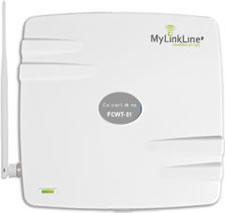
How to eliminate the cost of traditional elevator phone lines and save 35% or more. Our cellular elevator phone lines conform to ASME, ADA, and IBC codes, encompassing all requirements of the Michigan elevator code.
Michigan Elevator Code
Elevator Phone Requirements ASME A17.1 & IBC**
- Two-way communication between elevator and authorized personnel
- On-site communications if over 60 ft of travel
- Communication between the elevator if elevator has remote machine room
- Answer by live authorized personnel – no automated answering
- Communication capability for onsite emergency personnel
- On-site monitoring if staffed 24/7 by authorized personnel
- Location identification on demand to authorized personnel
- Location identification without voice communication
- Hands-free devices only and telephone handsets are not allowed
- Phone automatlly answers when calling into elevator
- Automatic redirect if no answer onsite
- Monitoring the status of local telephone lines and issuing local alerts
Code Compliance Guidelines
Compliance overview
Michigan Elevator Code compliance is managed through state oversight, required safety inspections, and documented corrective actions. For property managers and building owners, the goal is to keep every device safe, inspected on schedule, and supported with clean records that match the work performed. For elevator contractors, the goal is to align scopes, testing, and documentation to the adopted standards and the authority having jurisdiction. A simple compliance calendar plus a device level file for each unit reduces surprises and keeps projects moving.
Inspection readiness
Michigan Elevator Code inspections go smoother when you treat inspection day like a planned service event, not a fire drill. Confirm access to machine rooms, control spaces, and the top of car areas where applicable. Ensure the unit is in proper service, keys are available, and your contractor has a plan to demonstrate required functions and safety features. Keep recent maintenance and testing logs on site so questions can be answered quickly. When issues are found, track them to closure with dates, work notes, and proof of correction.
Inspection certificates and renewals
Michigan Elevator Code compliance depends on keeping inspection certificates current and renewal timing under control. Build a portfolio tracker that ties each unit to its certificate status, renewal cycle, and any open items from prior inspections. Store copies in a shared location and keep a copy accessible at the property for quick reference. If you manage multiple buildings, standardize how you name devices, where you store records, and who is responsible for scheduling. That routine prevents missed renewals and reduces the risk of operational disruption.
Permits for new work and changes
Michigan Elevator Code permitting becomes important when you install new equipment or change regulated components during modernization, alterations, or major repairs. Before work begins, confirm whether the scope triggers a permit, what drawings or data are required, and how inspections will be scheduled after the work is complete. A clear scope summary from your contractor helps prevent rework caused by mismatched expectations. Treat permitting and inspection steps as part of the project schedule, not optional add ons, so timelines stay realistic.
Plan review for modernization
Michigan Elevator Code modernization projects are easier when the plan review package is complete and consistent with the field condition. Ask for drawings, equipment submittals, and a narrative that explains what is changing and how code requirements will be met. Clarify the testing and documentation that will be provided at turnover so you are not chasing paperwork after the job is finished. If your building has constraints, document them early and build the compliance approach into the review submittal to reduce delays.
Licensing and qualified work
Michigan Elevator Code expectations include using qualified professionals for regulated work, proper sign off, and clear accountability. Confirm your contractor is authorized for the type of device and the scope being performed, and keep credential information in the job file. Match the right technician to the task so repairs do not drift into alteration work without the right approvals. When multiple parties are involved, define who owns permits, who coordinates inspections, and who delivers final documentation to the owner so responsibilities do not get lost.
Variances and difficult conditions
Michigan Elevator Code challenges often show up in older buildings where clearances, layouts, or existing equipment configurations do not align neatly with modern requirements. When you encounter an uncommon condition, document it with photos, measurements, and a written explanation. Work with your elevator contractor to evaluate compliant alternatives and determine whether a variance path is appropriate. The key is to address the issue early, before fabrication and scheduling lock you into a solution that cannot be approved. Early coordination reduces downtime and avoids expensive change orders.
Records and documentation
Michigan Elevator Code compliance is easier when your documentation is inspection ready and organized at the device level. Maintain maintenance logs, test results, repair summaries, and modernization turnover documents in one consistent system. Include contact lists, service agreements, and a clear history of corrective actions so your team can respond quickly to questions. A strong record set protects you during inspections, supports smooth renewals, and helps new contractors understand what was done before. It also reduces the risk of repeated issues caused by missing context.
Emergency communication expectations
Michigan Elevator Code compliance includes reliable emergency communication from the car, clear location identification, and a dependable call path to help. Add routine call testing to your maintenance calendar and document results so you can show proof of performance when needed. Michigan Elevator Code risk increases when communication is unreliable during outages or when aging infrastructure fails without warning. Make emergency phone reliability a documented requirement in your service scope, not an afterthought, and hold vendors accountable to testing, reporting, and timely correction.
Cellular reliability with MyLinkLine
Michigan Elevator Code goals are easier to meet when your emergency phone line is not dependent on failing copper infrastructure. MyLinkLine replaces outdated dedicated lines with cellular dedicated lines designed for emergency phone use while keeping a dedicated connection. Michigan Elevator Code planning also benefits from compatibility, and MyLinkLine works with elevators that already have telephones installed by other companies, including phones built into existing car operating panels. MyLinkLine includes battery backup designed to keep the line available during power interruptions, supporting consistent performance when building conditions change.
Predictable costs and priority options
Michigan Elevator Code compliance work is simpler when billing is predictable and service behavior is consistent across a portfolio. MyLinkLine does not charge extra fees based on the number of calls made by an elevator phone, which helps remove unpleasant surprises during testing, troubleshooting, or real events. Michigan Elevator Code risk management can also benefit from a resilience focused network option, and MyLinkLine supports a FirstNet option for cellular AT&T emergency phone lines, designed for public safety priority handling and enhanced access during periods of heavy network demand.
Emergency Elevator Phones
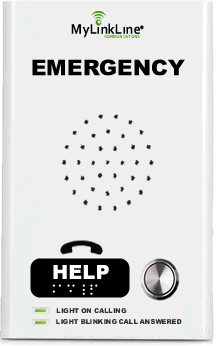
MyLinkLine will only install elevator telephones that meet code requirements. We also comply with ADA, ASME, ANSI and IBC codes in addition to all State and Local requirements if applicable. Volume pricing available.

Elevator Phone Monitoring Service
Our dispatch center has been delivering professional service for over twenty years. Our staff has extensive technical and interpersonal training to assist in emergency and non-emergency situations.

Lifetime Product Warranty
If any part of your elevator telephone(s) or elevator cellular landline fails at any time during your lifetime due to a defect in material or workmanship, we will repair or, at our option, replace the defective device at our cost***
Frequently Asked Questions
Elevator Code and Inspection Compliance
What should I keep on site for an elevator inspection under Michigan Elevator Code?
Keep a device file that includes recent maintenance notes, any required test documentation, proof of corrections from prior findings, and key contacts for the contractor and building representative. Make sure access areas are unlocked or controlled by someone who will be present, and confirm any required operational demonstrations can be performed without tenant disruption.
How do I avoid missed renewals for inspection certificates?
Build a simple tracker by property and device that lists certificate status, renewal timing, and the person responsible for scheduling. Tie it to calendar reminders and include your contractor in the workflow. Michigan Elevator Code problems often start with missed dates, so treat renewals like a recurring operational task with ownership and verification.
When does modernization work usually trigger permits and plan review?
If the scope changes regulated components, safety-related systems, or key operational elements, permits and review may be required. Align your scope summary, drawings, and equipment information early so approvals do not become the critical path. Ask your contractor to map the scope to the approval steps before work begins.
How do variances work in older buildings with Michigan Elevator Code constraints?
Start by documenting the constraint clearly and exploring compliant alternatives with your contractor. If the issue cannot be resolved through design changes, a variance path may be considered depending on the situation. Michigan Elevator Code outcomes improve when you address constraints early, rather than discovering them after equipment is ordered or installation is underway.
What should I test for elevator emergency phone reliability?
Test the call path from the car, confirm the answering party receives accurate location information, and confirm the phone remains available when building conditions are stressed. Log each test with date, result, and any corrective action. Make reliability testing part of your normal maintenance routine, not a one-time event.
Can I switch from a landline to cellular for elevator phones and still stay compliant?
Yes, many owners choose cellular to reduce exposure to aging copper failures. A cellular dedicated line with battery backup can help keep emergency communication available during power interruptions and infrastructure issues. When you change technologies, keep documentation of the service approach, testing results, and vendor responsibilities so the compliance story is clear. Michigan Elevator Code planning is strongest when emergency communication is treated as a core safety system.
Other Useful MyLinkLine Resources