

Nationwide Code Compliance Support
New Jersey Elevator Code 2026
Regulations & Standards
Switch to Cellular Phone Lines and Save 30% or More!
Find the latest information on New Jersey Elevator Code, laws, and safety standards. Our directories are updated monthly and include website links to help you quickly find the elevator codes and regulations for the state of New Jersey (NJ)
New Jersey elevator codes impose a responsibility on building owners and property managers to adhere to specific requirements within elevators, ensuring the safety of all occupants. Failure to comply with these codes can result in penalties and potential legal action. While the particulars of the New Jersey elevator code may differ at the state and local levels, three primary codes govern elevator safety: the American Society of Mechanical Engineers (ASME), the International Building Code (IBC), and the Americans with Disabilities Act (ADA).
ADA
The Americans with Disabilities Act (ADA) mandates unrestricted and equal access to services for individuals with disabilities.
IBC
The International Building Code (IBC) establishes precautions against hazards associated with constructed environments.
ASME
The American Society of Mechanical Engineers (ASME) plays a pivotal role in the development of codes and standards.
The State of New Jersey (NJ) currently operates under the 2019 ASME A17.1 and CSA B-44 Code
New Jersey Elevator Code Authority
The Elevator Safety unit registers all elevator devices in the State of New Jersey. Elevator devices consist of elevators (hydraulic, traction, winding drum, roped hydraulic, rack & pinion, and limited use limited access), escalators, moving walks, dumbwaiters, wheelchair lifts, chair lifts and man lifts.
The elevator subcode is regulated under the Uniform Construction Code in Subchapter 12.
There are three choices a NJ municipality may make regarding the jurisdiction of the elevator subcode in its town. It may give jurisdiction to the State, it may hire its own local Subcode Official, or it may subcontract to a third party agency.
If the State has jurisdiction in a town, the New Jersey elevator code authority / Elevator Safety unit coordinates inspections between the owner, elevator company, and the State. The unit conducts all cyclical and acceptance (inspections under permit) inspections. Owners are billed for inspections directly by the State.
In all three circumstances, Municipal Construction Officials are expected to periodically review the list of registered elevator devices in their municipalities and bring any necessary changes to the Elevator Safety unit’s attention.
If the State has jurisdiction in a town, this unit also coordinates the Elevator Subcode portion of Plan Review and Permitting with the municipality and the applicant/owner. The unit reviews building plans containing elevator devices (for a partial release) at the municipality’s office. All elevator (layouts) plans are reviewed (for a final release) at the State office, owners/applicants are billed and releases are completed.
The local Construction Official is notified of the elevator release and permit documentation is coordinated between the required parties.
Please note, only PAPER plans (layouts) are reviewed at this time by the Elevator Safety Unit.
Technical assistance is given to all parties requesting help specific to the Elevator Subcode. Monitoring of Subcode Officials and Inspectors in municipalities and third party agencies is carried out routinely.
A penalty enforcement process is utilized where violations are not abated timely. (excerpt from New Jersey Elevator Code Authority website)
New Jersey Department of Community Affairs (DCA)
Elevator Cellular Phone Lines
How to eliminate the cost of traditional elevator phone lines and save 35% or more. Our cellular elevator phone lines conform to ASME, ADA, and IBC codes, encompassing all requirements of the New Jersey elevator code.
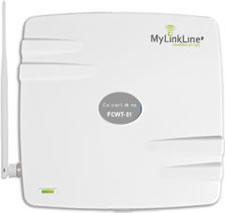
New Jersey also follows IBC 2018, which includes additional requirements for new elevator installations.
If your elevator travels over 60 feet. A two-way communication system will be installed in the elevator that provides both visible text and audible modes per code requirements. If you’re modernizing the elevator it’s advisable to consult your local New Jersey elevator code authority for guidance on the applicable regulations.
- Two-way message display in the elevator cab for hearing and/or speech impaired
A method for authorized personnel to access video footage of passengers from any location within the cabin - A mechanism triggered by emergency personnel to modify the cabin message, signaling that assistance has arrived on-site
Please be advised that we are committed to consistently delivering accurate and current adoption information. We diligently update our records as New Jersey elevator code information becomes available.
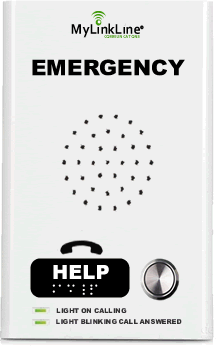
Emergency Elevator Phones
MyLinkLine will only install elevator telephones that meet code requirements. We also comply with ADA, ASME, ANSI and IBC codes in addition to all State and Local requirements if applicable. Volume pricing available.

Elevator Phone Monitoring Service
Our dispatch center has been delivering professional service for over twenty years. Our staff has extensive technical and interpersonal training to assist in emergency and non-emergency situations.
Lifetime Product Warranty
If any part of your elevator telephone(s) or elevator cellular landline fails at any time during your lifetime due to a defect in material or workmanship, we will repair or, at our option, replace the defective device at our cost***
Code Compliance Guidelines
What code year New Jersey is using right now
For most properties, the New Jersey Elevator Code you will be held to for inspections and major work flows through the Uniform Construction Code and the Elevator Safety Subcode. Today, that means the inspection and test framework points to the ASME A17.1 2019 edition referenced by the building subcode, with the aligned CSA B44 2019 edition where applicable. When you are planning budgets and scheduling service, treat the New Jersey Elevator Code as the baseline your elevator contractor should be testing against and documenting. Your local jurisdiction matters, so confirm whether the State, a local subcode official, or a third party agency is enforcing the elevator subcode for the municipality.
Inspections, certificates, and staying current
In New Jersey, you do not want to wait until an inspection visit to discover a paperwork gap or a phone line issue. Keep inspection certificates and renewal timing on a simple tracker per device and confirm your municipality’s enforcement path early in the year. The New Jersey Elevator Code expectations tend to show up in the same places every time: registration accuracy, inspection cycle scheduling, records that prove maintenance and testing, and clear coordination between owner, elevator company, and the enforcing agency. If you manage multiple sites, standardize how you store inspection reports, deficiency corrections, and device identifiers.
Permits and plan review for new work and alterations
If you are installing new equipment or altering an existing device, treat permitting and plan review as a project deliverable, not an administrative afterthought. The New Jersey Elevator Code process typically involves elevator layout plans, plan review, and releases that align with how the enforcing agency and municipality split responsibilities. Build time into your project schedule for reviews and for final acceptance steps after work is complete. Use the New Jersey Elevator Code lens to decide what documentation you will need from your elevator contractor before the inspector arrives, including what was changed, how it was tested, and what items must be visible or posted at the site.
Modernization and alteration planning that avoids delays
Modernizations can trigger additional scrutiny because inspectors want to see that the altered scope was permitted, reviewed, and tested, not just installed. Use a one page scope summary for each project that lists the device, address, contractor, permit status, and target inspection date, then attach supporting cut sheets and testing documentation. When you plan capital work, include a step for confirming what standard applies to the device based on installation and alteration history. A disciplined approach keeps New Jersey Elevator Code risk low by preventing last minute scrambling for missing approvals or incomplete acceptance documentation.
Licensing and who should perform the work
Owners and property managers reduce compliance risk by being strict about who touches elevator equipment and life safety communications. Require your elevator contractor and any involved vendors to show the right qualifications for the scope, and keep copies alongside permits and inspection records. Set clear handoffs: who files, who schedules, who meets the inspector, and who closes deficiencies. The New Jersey Elevator Code mindset here is simple: qualified work, documented work, and no ambiguity about who is responsible for getting the device from “installed” to “approved and operating” in the enforcing agency’s eyes.
Variances, enforcement, and documentation discipline
If a site has constraints that make strict compliance impractical, handle it formally instead of relying on verbal approvals. Keep a written record of the issue, the proposed alternative, and the approval status, and store it with the device file so it survives staff turnover. Use a repeatable checklist for each inspection cycle: registration accuracy, last inspection report, corrective actions, and proof of completion. The New Jersey Elevator Code compliance win is predictability: when everything is documented the same way across properties, inspections become routine instead of disruptive.
Emergency phone reliability and how MyLinkLine supports compliance
Emergency communication is one of the fastest ways to fail an inspection and one of the highest risk failure points during a real event. The New Jersey Elevator Code focus is not only that the phone works, but that it works consistently, routes correctly, and can be supported with clear testing documentation. MyLinkLine supports property teams with managed cellular elevator phone lines and monitoring built around reliability and code readiness, including optional FirstNet priority routing and proactive Heartbeat Monitoring features described in our solutions. When you standardize on the New Jersey Elevator Code expectations and pair them with a consistent communications approach, you reduce failed tests, missed renewals, and urgent same day fixes.
New Jersey Elevator Code
Elevator Phone Requirements A17.1
- Two-way communication between elevator and authorized personnel
- On-site communications if over 60 ft of travel
- Communication between the elevator if elevator has remote machine room
- Answer by live authorized personnel – no automated answering
- Communication capability for onsite emergency personnel
- On-site monitoring if staffed 24/7 by authorized personnel
- Location identification on demand to authorized personnel
- Location identification without voice communication
- Hands-free devices only and telephone handsets are not allowed
- Phone automatlly answers when calling into elevator
- Automatic redirect if no answer onsite
- Monitoring the status of local telephone lines and issuing local alerts
Frequently Asked Questions
Elevator Code and Inspection Compliance
What is the New Jersey Elevator Code authority and who inspects my elevators?
Elevator enforcement can be handled by the State, a local subcode official, or a third-party agency, depending on the municipality. Confirm jurisdiction first, then standardize how your team coordinates inspections, reports, and deficiency corrections with that enforcing agency.
How often do elevators need inspections and what should I keep on file?
Keep your most recent inspection report, proof of corrections, maintenance checklists, and any acceptance documentation tied to permitted work. A simple per-device file makes renewals and re-inspections smoother, especially across multi-site portfolios.
When do I need a permit or plan review for elevator work?
Any new installation, alteration, or modernization that changes the device or its safety-related components may require permitting and acceptance steps. If you are unsure, treat it as a plan review question early so you do not lose weeks later on scheduling. This is a common New Jersey Elevator Code failure point when work is completed without the right approvals.
What is a variance and when is it worth pursuing?
A variance is a formal request to use an alternative approach when strict compliance is impractical. It is worth pursuing when building constraints exist, and the alternative solution can be documented and approved in writing so it survives staff changes and future inspections.
What should I do if an inspector flags the elevator emergency phone?
Treat it as both a compliance and safety priority and contact MyLinkline for guidance. Confirm call routing, location identification, answering procedures, and line reliability, then document the fix and retest. If you manage multiple elevators, review your process across the portfolio to prevent repeat failures under the New Jersey Elevator Code.
How can MyLinkLine help with emergency phone compliance?
MyLinkLine provides managed cellular elevator phone lines and monitoring designed to keep emergency communications reliable and test-ready. We help you document readiness through consistent testing routines and proactive monitoring, so your emergency phone is less likely to fail when an inspector checks it or when a passenger needs help. This supports New Jersey Elevator Code readiness without adding complexity for your onsite team.
Other Useful MyLinkLine Resources