

Nationwide Code Compliance Support
New York Elevator Code | 2026
Regulations & Standards
Switch to Cellular Phone Lines and Save 30% or More!
Find the latest information on New York Elevator Code, laws, and safety standards. Our directories are updated monthly and include website links to help you quickly find the elevator codes and regulations for the state of New York (NY)
New York elevator codes impose a responsibility on building owners and property managers to adhere to specific requirements within elevators, ensuring the safety of all occupants. Failure to comply with these codes can result in penalties and potential legal action. While the particulars of the New York elevator code may differ at the state and local levels, three primary codes govern elevator safety: the American Society of Mechanical Engineers (ASME), the International Building Code (IBC), and the Americans with Disabilities Act (ADA).
ADA
The Americans with Disabilities Act (ADA) mandates unrestricted and equal access to services for individuals with disabilities.
IBC
The International Building Code (IBC) establishes precautions against hazards associated with constructed environments.
ASME
The American Society of Mechanical Engineers (ASME) plays a pivotal role in the development of codes and standards.
The State of New York (NY) currently operates under the 2016 ASME A17.1 and CSA B-44 Code
New York Elevator Code Authority
With more than 70,000 elevators and escalators in New York City, this equipment is a standard part of our lives. Decades of improved technology have minimized the risks so much that few people know it’s dangerous to use these machines the wrong way. The Elevator Unit ensures the operational safety, reliable service and lawful use of vertical transportation devices throughout our City, that include: Elevators, Escalators, Amusement Rides, Personnel Hoists, Dumbwaiters, Material Lifts, Wheelchair lifts, Conveyors, and other related devices
The Unit responds to complaints, conducts re-inspections of private and DOB hazardous violations, conducts audits and training, responds to and investigates accident/incidents, conducts acceptance testing, surveys, and special assignments. Additionally, the Elevator Unit processes new elevator applications, conducts plan examinations, issues permits for modernizations, removals, and dismantles, as well as handles Construction Code inquiries and clarifications by mail and over the phone. (excerpt from state website)
New York Department of Buildings
Elevator Cellular Phone Lines
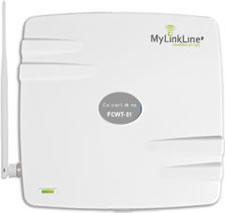
How to eliminate the cost of traditional elevator phone lines and save 35% or more. Our cellular elevator phone lines conform to ASME, ADA, and IBC codes, encompassing all requirements of the New York elevator code.
New York State also follows the 2020 Building Code of New York State, and New York City specifically follows NYC Building Code 2022, which includes additional requirements for new elevator installations.
If your elevator travels over 60 feet. A two-way communication system will be installed in the elevator that provides both visible text and audible modes per code requirements. If you’re modernizing the elevator it’s advisable to consult your local New York elevator code authority for guidance on the applicable regulations.
- Two-way message display in the elevator cab for hearing and/or speech impaired
A method for authorized personnel to access video footage of passengers from any location within the cabin - A mechanism triggered by emergency personnel to modify the cabin message, signaling that assistance has arrived on-site
Please be advised that we are committed to consistently delivering accurate and current adoption information. We diligently update our records as new New York elevator code information becomes available.
New York Elevator Code
Elevator Phone Requirements ASME A17.1
- Two-way communication between elevator and authorized personnel
- On-site communications if over 60 ft of travel
- Communication between the elevator if elevator has remote machine room
- Answer by live authorized personnel – no automated answering
- Communication capability for onsite emergency personnel
- On-site monitoring if staffed 24/7 by authorized personnel
- Location identification on demand to authorized personnel
- Location identification without voice communication
- Hands-free devices only and telephone handsets are not allowed
- Phone automatlly answers when calling into elevator
- Automatic redirect if no answer onsite
- Monitoring the status of local telephone lines and issuing local alerts
Code Compliance Guidelines
What is changing next
New York has adopted updated state code books that take effect December 31, 2025 for new permit submissions, with a short transition window where applicants can follow either the older or newer code set. Because referenced standards can shift at that cutoff, your New York Elevator Code copy should include an “as of” date and a reminder to confirm the exact applicable requirements with the authority having jurisdiction for the building location and project scope. This protects building owners from relying on a generic statewide summary when local rules differ.
Who enforces elevator rules
Elevator safety in New York is a blend of statewide code adoption plus local enforcement and, in some places, local amendments. For most properties, your compliance path runs through the local building department and the inspector of record who approves permits, witnesses tests, and signs off on corrections. In New York City, the Department of Buildings is a primary authority for elevator permitting, inspections, and enforcement. Use New York Elevator Code language that makes the local authority the final decision maker and encourages early contact before planning alterations.
Inspections and documentation
Treat inspections as a system, not a scramble. Track periodic inspections and tests, keep service and testing logs, and maintain clear records of repairs, violations, and reinspection outcomes. If an inspector asks for proof, you should be able to produce it in minutes, not days. A clean paper trail reduces friction during renewals, modernization plan review, and property transactions. It also helps you stay ahead of New York Elevator Code expectations for testing intervals, record retention, and consistent maintenance practices.
Certificates and renewals
A missed renewal can create avoidable risk, including violations, insurance questions, and tenant complaints. Build a calendar around inspection due dates, test cycles, and certificate expiration dates, then assign ownership to one internal role, not a vendor. Keep a digital folder per address with certificates, test reports, and service tickets, plus a photo showing what is posted at the equipment. New York Elevator Code programs commonly expect the most current certificate of inspection to be displayed or readily available, so treat New York Elevator Code renewals as a recurring operations task.
Permits and plan review for alterations
Modernization, controller changes, door equipment work, and communication upgrades can trigger permits and plan review, even when you are “not changing the hoistway.” Treat scope definition as a compliance step: confirm the permitting path, required drawings, and testing expectations before work starts. Clarify whether the work is a repair, an alteration, or a modernization, since that classification can affect review requirements. New York Elevator Code compliance is easier when the contractor and property team agree on inspection checkpoints, witness testing, and closeout documents before the first day on site.
Acceptance testing and closeout
For new installs and major alterations, acceptance testing is where inspectors verify operation, safety devices, and required documentation. Build the closeout package early: permits, approved plans, test reports, and any required affidavits, then track what still needs signatures. If field conditions force changes, capture them so “as built” information matches reality. This discipline reduces rework, shortens downtime, and supports predictable New York Elevator Code sign off. It also helps future service teams understand exactly what was installed and why it passed inspection.
Licensing and contractor qualifications
Licensing and registration requirements can vary by jurisdiction within the state, so verify requirements with the local authority before contracting work. For inspections, testing, and modernization, only use qualified elevator contractors and document their credentials in the job file. Ask who will pull permits, who will be on site for witness tests, and who is responsible for correcting inspector notes. New York Elevator Code risk drops when the building owner can quickly show who performed work, what standard was followed, and that the contractor was properly credentialed. This is a practical way to lower New York Elevator Code disputes during renewals.
Variances and equivalencies
When a prescriptive requirement is impractical, a variance or equivalency request may be possible, but only the authority having jurisdiction can approve it. Bring a clear code basis, a risk focused explanation, and an alternate solution that preserves life safety intent. Strong packages include equipment specifications, drawings, and a defined maintenance and testing plan. New York Elevator Code variance requests are more successful when they are complete, concise, and submitted before work begins, not after an inspector writes a violation.
Emergency communication reliability
Code language is one thing, and reliable communications during an emergency is another. The goal is simple: a hands free connection that reaches live authorized personnel, with dependable call routing and clear location identification. New York Elevator Code expectations commonly focus on two way communication and responsiveness, so your system should be engineered to reduce failure points like dead lines, weak signal, and confusing call handling. Build a routine testing plan and keep test results with the inspection file so New York Elevator Code compliance is defensible during inspections and audits.
How MyLinkLine helps with compliance
MyLinkLine supports compliance with cellular based elevator phone line solutions and monitoring options described on our website. Product pages highlight features such as strong cellular signal reception, clear voice quality, call waiting and forwarding support, and battery backup. If you need a staffed response model, our elevator phone monitoring service is positioned to provide live assistance and routine checks as described in our materials. New York Elevator Code readiness improves when the communication path is tested, documented, and resilient, especially during outages or carrier network changes.
Emergency Elevator Phones
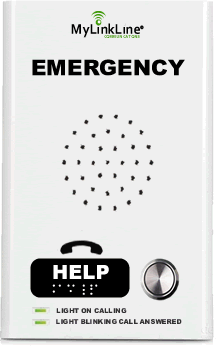
MyLinkLine will only install elevator telephones that meet code requirements. We also comply with ADA, ASME, ANSI and IBC codes in addition to all State and Local requirements if applicable. Volume pricing available.

Elevator Phone Monitoring Service
Our dispatch center has been delivering professional service for over twenty years. Our staff has extensive technical and interpersonal training to assist in emergency and non-emergency situations.
Lifetime Product Warranty
If any part of your elevator telephone(s) or elevator cellular landline fails at any time during your lifetime due to a defect in material or workmanship, we will repair or, at our option, replace the defective device at our cost***
Frequently Asked Questions
Elevator Code and Inspection Compliance
What does the New York Elevator Code reference for elevator safety maintenance today?
Outside New York City, statewide property maintenance requirements reference ASME A17.1 for ongoing elevator maintenance and testing, and the currently effective state code set is tied to the 2020 code books. Your best move is to confirm the exact referenced standard and any local amendments with the authority having jurisdiction for the building’s location.
Who is the authority having jurisdiction for my building?
In most jurisdictions, it is your local building department or code official, plus the inspector of record, who witnesses required tests and signs off corrections. In New York City, the NYC Department of Buildings is commonly the primary authority for elevator permitting and enforcement under the local code framework.
How often does the New York Elevator Code expect inspections and tests?
Inspection and test timing is driven by the applicable ASME standard, local enforcement practices, and the building’s equipment type. Plan for periodic inspections plus periodic tests, then keep a calendar and a responsible owner for each site so nothing slips.
Where should the certificate of inspection be posted under the New York Elevator Code?
Keep the most current certificate of inspection displayed as required for the equipment or posted in a location approved by the local code official. Also, keep a digital copy in the property compliance folder so you can produce it immediately during audits, complaints, or renewals.
When do I need a permit for work under the New York Elevator Code?
Permits are commonly required for alterations, modernization scopes, controller changes, door equipment work, and projects that change safety devices or operating characteristics. Even communication upgrades can trigger review depending on local rules, so confirm before ordering equipment.
What is plan review and why does it matter?
Plan review is the local authority’s review of drawings, specifications, and scope to confirm the work meets the adopted code and referenced standards. New York Elevator Code compliance goes smoother when the contractor submits complete documentation and the owner keeps a copy of the approved set for the closeout package.
Do I need a specially licensed elevator contractor?
Requirements vary by jurisdiction. Some cities require specific registrations or licenses for elevator contractors, mechanics, or inspection agencies, while other areas rely on general contractor rules plus qualified elevator firms. Verify the local requirement before signing a contract and keep proof of credentials in the job file.
What is an acceptance test in the New York Elevator Code context?
An acceptance test is the inspection and testing event that proves a new installation or major alteration meets the applicable safety requirements. It typically includes functional checks of devices, operational performance, and a review of the closeout documents required by the local authority.
What are common reasons an elevator fails an inspection?
Common issues include missing or expired paperwork, incomplete corrections from prior violations, failed safety device checks, and weak documentation of required tests. New York Elevator Code readiness improves when you maintain organized records, schedule preventive maintenance, and treat reinspection closeout as a tracked project.
How do variances work under the New York Elevator Code?
A variance or equivalency is a formal approval for an alternate approach when a prescriptive requirement is impractical. It is granted by the authority having jurisdiction, not the contractor. Submit the code basis, the risk logic, drawings, and the maintenance plan before work starts.
Does New York City follow the same New York Elevator Code rules as the rest of the state?
New York City has its own building code framework and modified industry standards, and enforcement is handled through NYC’s processes. Outside NYC, the statewide Uniform Code and local enforcement drive requirements. Always confirm which code set applies to your address.
How should a property manager track compliance month to month?
Use a simple system: one folder per address, one calendar for due dates, and one owner for action items. New York Elevator Code performance improves when you track inspection dates, certificate expiration, open violations, test reports, and vendor work orders in the same place.
What documents should I keep for inspections and renewals?
Keep certificates, test reports, permits, approved drawings, service tickets, and documentation of any corrective work. Add contact details for the contractor and inspector, plus photos of posted certificates and emergency phone equipment. This reduces scramble and speeds reinspection. Keeping these items organized supports New York Elevator Code renewals and reduces reinspection delays.
What does the New York Elevator Code imply for emergency communication reliability?
At a practical level, it means the elevator must have dependable two-way communication that reaches authorized personnel when the button is pressed. Reliability is the goal: clear audio, consistent connectivity, and a repeatable testing process with records.
Do elevator emergency phones need to reach live personnel?
Many jurisdictions expect calls to be answered by live authorized personnel and restrict automated answering in emergency use cases. New York Elevator Code expectations are met best when the call path is direct, staffed, and routinely tested with documented results.
How should we test elevator emergency phones for compliance?
Follow the applicable standard and the local authority’s testing expectations, then document every test. New York Elevator Code compliance is easier when you can show a simple log with date, time, outcome, and any corrective action taken.
What happens if the phone line fails during an inspection or an emergency?
A failed phone can trigger violations, reinspections, and real safety risk for occupants. Treat a failure as urgent: restore service, document corrective actions, and retest. If failures repeat, reassess the technology and monitoring approach.
Can a cellular line satisfy New York requirements for elevator phones?
Many properties use cellular successfully when the system is engineered for signal strength, power continuity, and reliable call routing. New York Elevator Code outcomes are strongest when you verify coverage on site, add appropriate antennas if needed, and confirm battery backup and test procedures.
How can MyLinkLine help a building stay inspection ready?
MyLinkLine provides cellular-based elevator phone line solutions and monitoring options described on our website, helping owners replace aging copper lines and maintain a consistent testing routine. New York Elevator Code readiness improves when the emergency phone system is reliable, documented, and easy for responders to use.
How can MyLinkLine help with emergency phone compliance under the New York Elevator Code?
MyLinkLine can support emergency phone compliance by providing a cellular elevator phone line designed for reliable two-way calling, plus monitoring options described in our materials that emphasize live response and routine checks. For inspections, we help simplify the evidence: clear test procedures, predictable call routing, and records you can keep in the property file. The practical goal is fewer phone-related failures, faster corrective action when issues are detected, and a stronger compliance posture for building owners and property managers.
Other Useful MyLinkLine Resources