
Nationwide Code Compliance Support
North Carolina Elevator Code 2026
Regulations & Standards
Switch to Cellular Phone Lines and Save 30% or More!
Find the latest information on North Carolina Elevator Code, laws, and safety standards. Our directories are updated monthly and include website links to help you quickly find the elevator codes and regulations for the state of North Carolina (NC)
North Carolina elevator codes impose a responsibility on building owners and property managers to adhere to specific requirements within elevators, ensuring the safety of all occupants. Failure to comply with these codes can result in penalties and potential legal action. While the particulars of the North Carolina elevator code may differ at the state and local levels, three primary codes govern elevator safety: the American Society of Mechanical Engineers (ASME), the International Building Code (IBC), and the Americans with Disabilities Act (ADA).
ADA
The Americans with Disabilities Act (ADA) mandates unrestricted and equal access to services for individuals with disabilities.
IBC
The International Building Code (IBC) establishes precautions against hazards associated with constructed environments.
ASME
The American Society of Mechanical Engineers (ASME) plays a pivotal role in the development of codes and standards.
The State of North Carolina (NC) currently operates under the 2022 ASME A17.1 and CSA B-44 Code
North Carolina Elevator Code Authority
Authorities having jurisdiction are those government officials who are the final authority on questions in a particular area (or jurisdiction). The Department of Labor Elevator Inspection Section oversees all elevators in the state. The Elevator and Amusement Device Bureau checks for the proper installation and safe operation of elevators, escalators, workman’s hoists, dumbwaiters, moving walks, aerial passenger tramways, amusement rides and incline railways.
The bureau also inspects lifting devices for people with disabilities that operate in public establishments (except federal buildings) and private places of employment. Companies or individuals installing equipment, other than amusement rides, under NCDOL jurisdiction must submit prints and applications for approval before installation begins.
Companies or individuals planning to operate amusement devices are required to submit a location notice in writing to the bureau’s Raleigh office at least 10 days before the intended date of operation. The bureau will issue an installation permit, which must be posted on the job site. New installations, as well as alterations to existing equipment, are inspected.
The bureau also conducts regular, periodic inspections of this equipment in the state and inspects amusement rides before they operate at each location. Employers, institutions such as churches and individuals who desire technical assistance in selecting and installing safe lifting devices for people with disabilities can get help from the bureau.
The bureau also offers architects and builders the service of reviewing plans for code compliance on proposed installations of elevators and related equipment. (excerpt from state website)
North Carolina Department of Labor
Elevator Cellular Phone Lines
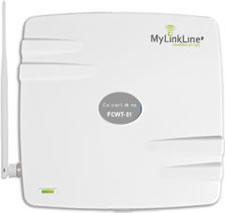
How to eliminate the cost of traditional elevator phone lines and save 35% or more. Our cellular elevator phone lines conform to ASME, ADA, and IBC codes, encompassing all requirements of the North Carolina elevator code.
North Carolina Elevator Code also operates under IBC, which includes additional requirements for new elevator installations.
If your elevator travels over 60 feet. A two-way communication system will be installed in the elevator that provides both visible text and audible modes per code requirements. If you’re modernizing the elevator it’s advisable to consult your local North Carolina elevator code authority for guidance on the applicable regulations.
- Two-way message display in the elevator cab for hearing and/or speech impaired
A method for authorized personnel to access video footage of passengers from any location within the cabin - A mechanism triggered by emergency personnel to modify the cabin message, signaling that assistance has arrived on-site
Please be advised that we are committed to consistently delivering accurate and current adoption information. We diligently update our records as new North Carolina elevator code information becomes available.
North Carolina Elevator Code –
Elevator Phone Requirements ASME A17.1
- Two-way communication between elevator and authorized personnel
- On-site communications if over 60 ft of travel
- Communication between the elevator if elevator has remote machine room
- Answer by live authorized personnel – no automated answering
- Communication capability for onsite emergency personnel
- On-site monitoring if staffed 24/7 by authorized personnel
- Location identification on demand to authorized personnel
- Location identification without voice communication
- Hands-free devices only and telephone handsets are not allowed
- Phone automatlly answers when calling into elevator
- Automatic redirect if no answer onsite
- Monitoring the status of local telephone lines and issuing local alerts
Code Compliance Guidelines
Who enforces elevator safety statewide
North Carolina’s Department of Labor Elevator and Amusement Device Bureau oversees proper installation and safe operation through permitting and inspections. In practice, North Carolina Elevator Code compliance is managed through state applications, permit posting, and inspector sign off, not just reading a standard. Owners and contractors can reduce friction by treating the Bureau as the final checkpoint on whether equipment can be placed in service, and by keeping consistent documentation, contacts, and schedules. When you align your project plan to the inspection flow, you avoid late surprises that stall turnover.
New installations and approval before work starts
For new equipment, the process centers on submitting prints and an application for approval before installation begins, then posting the installation permit at the job site. This sequence matters because acceptance inspection success is tied to what was submitted and approved. To support North Carolina Elevator Code outcomes, require contractors to maintain a job file with permits, approved drawings, wiring details, and a clear equipment identification plan for each cab. When the file is complete, inspectors can validate requirements faster, and closeout is simpler for building staff.
Modernization, repairs, and alteration permits
Modernization projects and repairs that change equipment are commonly handled through the state’s alteration or repair application. Even when the work feels routine, permitting and plan review expectations can affect lead time, downtime planning, and final inspection timing. A practical North Carolina Elevator Code approach is to define the scope precisely, identify every system being touched, and confirm who is responsible for submitting permits, scheduling inspections, and assembling the closeout package. Clear scope plus clean paperwork helps prevent a project from failing at the finish line.
Periodic inspections and certificates
Inspectors perform periodic inspections to confirm safe operation, and inspection certificates are tied to passing those inspections. If the unit fails, you are in a corrective loop until deficiencies are fixed and compliance is confirmed. That is why North Carolina Elevator Code readiness is as important as repair work itself. Keep prior reports, open items, and corrective documentation organized so the inspector can see what changed. For multi elevator sites, standardize a simple status log so North Carolina Elevator Code follow ups do not get lost between vendors, shifts, or property transitions.
Renewals and staying ahead of deadlines
Owners get the best results when renewals are treated like a recurring workflow. Track inspection status by elevator, keep contact information current for scheduling, and close out violations quickly so you do not carry issues forward. A simple way to support North Carolina Elevator Code compliance is a pre inspection check that verifies the emergency phone reaches live authorized personnel and that the operator can state the correct building and cab identification. When those basics are current, you reduce the risk of a failed inspection that triggers rework and reinspection.
Contractor qualifications and licensing
For installations, the state requires an electrical license number issued by the Electrical Board of Examiners before an installation application is processed. Practically, that means you should verify licensing early, before mobilization, and make it a contractual requirement, not a last minute assumption. To keep North Carolina Elevator Code projects moving, align the contractor, elevator company, and property manager on who owns each step: application submission, permit posting, inspection scheduling, and closeout documents. Clear responsibility prevents gaps that can delay approval even when the work itself is done.
Variances when the field condition is unusual
Not every building has a clean path to a textbook solution, especially during retrofits where space, routing, or legacy construction creates constraints. North Carolina provides a formal variance request process, and success comes from being specific: define the exact condition, explain why standard compliance is impractical, and show how the safety intent is still met. When North Carolina Elevator Code requirements do not fit the site condition, submit the variance early enough that you can adjust scope, materials, or schedule if the request is modified. Early action protects your inspection timeline.
Permit extensions, cancellations, and ownership changes
Projects slip, scopes change, and properties sell, so the administrative details matter. North Carolina provides forms to request an extension of permits to install, alter, or repair equipment, and separate requests to withdraw or void a permit if a project is cancelled or put on hold. There is also an elevator information change form for updating owner, occupant, or billing details through an authorized representative. Keeping these items current supports North Carolina Elevator Code compliance because inspection records, permits, and contact data stay aligned when staff or vendors change.
Statewide elevator lookup and documentation
North Carolina provides a statewide elevator lookup that can be searched by county, by owner or user company name, or by State ID, and the results can be exported for recordkeeping. This is useful for verifying what is on record across a portfolio and aligning contractors on the same equipment identifiers before you plan upgrades or schedule inspections. Use it to confirm naming consistency, installed dates, and baseline details so your internal files match the state record. Consistent records make North Carolina Elevator Code planning faster when you are coordinating multiple vendors.
Emergency communication inspections that affect approval
NCDOL has clarified how inspectors test two way emergency communication systems during new installations and alterations. Inspectors press the call button, confirm two way communication is established with live authorized personnel, verify the responder can identify the elevator and location, then require a call back into the cab after the responder hangs up. If the call back cannot be reestablished, the system fails and no certificate is issued until it is brought into compliance. Because this can stop turnover, North Carolina Elevator Code planning should treat emergency communication as a pass fail life safety requirement, not a secondary detail, and North Carolina Elevator Code readiness should include documented test results.
How MyLinkLine supports compliance focused communication
MyLinkLine installs and monitors elevator telephones and cellular lines nationwide, helping owners keep a single point of contact for dial tone and monitoring. Our cellular elevator phone line solutions are described as elevator code compliant, and our product pages note support for standard RJ11 connections and DTMF dialing so many properties can upgrade the line without replacing in car phones. We also publish elevator phone testing guidance focused on reaching a live operator and confirming the operator can identify the right building and cab. This supports inspection readiness, reduces reinspection risk, and helps keep North Carolina Elevator Code documentation consistent for owners, managers, and contractors.
Emergency Elevator Phones
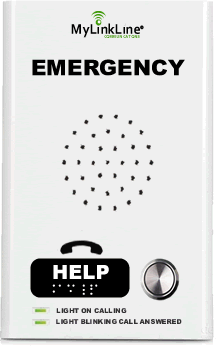
MyLinkLine will only install elevator telephones that meet code requirements. We also comply with ADA, ASME, ANSI and IBC codes in addition to all State and Local requirements if applicable. Volume pricing available.

Elevator Phone Monitoring Service
Our dispatch center has been delivering professional service for over twenty years. Our staff has extensive technical and interpersonal training to assist in emergency and non-emergency situations.
Lifetime Product Warranty
If any part of your elevator telephone(s) or elevator cellular landline fails at any time during your lifetime due to a defect in material or workmanship, we will repair or, at our option, replace the defective device at our cost***
Frequently Asked Questions
Elevator Code and Inspection Compliance
What does the North Carolina Elevator Code require for new elevator installations
New installations typically require state review and approval before work starts, and the installation permit must be posted at the job site. Your contractor should plan for state inspections as part of commissioning and turnover.
When did the state change to the newer A17.1 edition
NCDOL issued guidance that the 2022 edition of A17.1 becomes effective on March 20, 2024. If you are budgeting upgrades, treat that change as the baseline for current North Carolina Elevator Code expectations on new work and code-triggered alterations.
How is an alteration different under the North Carolina Elevator Code
An alteration or repair that changes equipment is commonly handled through a specific application rather than the application used for brand new equipment. That distinction impacts paperwork, inspection timing, and how you document testing and closeout.
Do I need a permit extension if the project runs long
If a permit is expiring or your timeline slips, submit the state’s permit extension request so the record stays current. Keeping permits aligned with the work schedule reduces administrative delays and supports North Carolina Elevator Code inspection scheduling.
How do inspection certificates and renewals work under the North Carolina Elevator Code
Certificates are tied to passing inspections. If the unit fails a required inspection, you typically address the issues and coordinate a reinspection so the certificate can be issued or continued.
What should I keep in my inspection and compliance file
Keep permit documents, approved drawings when applicable, inspection reports, violation notices, and documentation of corrections. A clean file makes it easier to demonstrate North Carolina Elevator Code compliance and reduces back and forth during reinspections.
Is there a public way to look up elevator records in North Carolina
Yes. The state provides a statewide elevator lookup where you can search by county, owner or user company name, or State ID, and export results. Use it to keep your internal roster aligned with North Carolina Elevator Code records.
What does the North Carolina Elevator Code expect from the emergency phone system
Inspectors expect reliable two-way emergency communication. During certain inspections, the call button is pressed, a live authorized person must answer, they must identify the elevator and location, and they must be able to call back into the cab.
What happens if the elevator emergency phone fails the inspection test
If the authorized personnel cannot reestablish communication with the elevator after hanging up and calling back, the system fails that inspection, and no certificate is issued until it is brought into compliance. That is why North Carolina Elevator Code planning should treat communications as a core life safety item.
Does the North Carolina Elevator Code require a specific carrier or phone line type
The code focuses on results: the communication must work when tested and during real emergencies. The best approach is to choose a solution that is reliable in the elevator environment and can be validated with repeatable testing.
Can a monitoring center answer off site
Yes, as long as the responder is a live authorized personnel and can identify the elevator and location when the call is placed. Your monitoring setup should be tested the same way the inspector tests it for North Carolina Elevator Code acceptance.
How do variances work under the North Carolina Elevator Code
If a site constraint makes strict compliance impractical, you can submit a variance request through the state process. Provide clear documentation of the condition and how safety intent is achieved, then plan the schedule around the state response.
What should I ask my elevator contractor before starting a modernization
Ask who will submit the alteration application, who will post the permit, what tests will be performed, and how emergency communications will be verified. Also, confirm who will coordinate the inspection and what documentation you will receive at closeout.
What licensing should I verify before an installation
North Carolina requires an electrical license number issued by the Electrical Board of Examiners before an installation application is processed. Verifying that early helps keep North Carolina Elevator Code applications from stalling.
How should multi site owners manage the North Carolina Elevator Code across a portfolio
Standardize your records, keep a consistent equipment naming method, and use the state lookup to validate what is on file. Centralize inspection status and open items so you can prioritize repairs before they become schedule blockers.
What is the fastest way to reduce reinspection risk for the North Carolina Elevator Code
Do a pre inspection walk through with your contractor, verify documentation is complete, and perform test calls from the cab to confirm a live responder can identify the elevator and location. Treat the emergency phone as a pass fail item, not a formality.
Can MyLinkLine provide cellular phone lines for elevator emergency phones
MyLinkLine provides cellular elevator phone lines designed to be elevator code compliant, and our site describes support for standard RJ11 connections and DTMF dialing. We also use a coverage scoring process to select the strongest network for the location, including AT&T, Verizon, or T-Mobile, so the line is chosen for performance rather than guesswork.
Can MyLinkLine monitor elevator phones from other manufacturers
Yes. MyLinkLine states that it can monitor and reprogram elevator phones from any manufacturer, including those already built into existing car operating panels, with no additional equipment required for monitoring. This helps simplify North Carolina Elevator Code readiness when you inherit mixed equipment across a portfolio.
What should I verify during a routine emergency phone test
Press the help button, confirm the call connects to a live operator, check audio quality, and confirm the operator can read back the correct building and cab identification. Document the result and repeat after any changes to the phone line, monitoring, or elevator controls.
How can MyLinkLine help with emergency phone compliance for the North Carolina Elevator Code
MyLinkLine supports emergency phone compliance by providing reliable cellular dial tone, monitoring options with live answering, and practical testing guidance that mirrors the inspector’s call, identify, and call back expectations. We help you document test results, align call routing to the correct building and cab identifiers, and keep a single point of contact for phone line and monitoring support so you can stay ready for inspections.
Other Useful MyLinkLine Resources