

Nationwide Code Compliance Support
Virginia Elevator Code 2026
Regulations & Standards
Switch to Cellular Phone Lines and Save 30% or More!
Find the latest information on Virginia Elevator Code, laws, and safety standards. Our directories are updated monthly and include website links to help you quickly find the elevator codes and regulations for the state of Virginia (VA)
Virginia elevator codes impose a responsibility on building owners and property managers to adhere to specific requirements within elevators, ensuring the safety of all occupants. Failure to comply with these codes can result in penalties and potential legal action. While the particulars of the Virginia elevator code may differ at the state and local levels, three primary codes govern elevator safety: the American Society of Mechanical Engineers (ASME), the International Building Code (IBC), and the Americans with Disabilities Act (ADA).
ADA
The Americans with Disabilities Act (ADA) mandates unrestricted and equal access to services for individuals with disabilities.
IBC
The International Building Code (IBC) establishes precautions against hazards associated with constructed environments.
ASME
The American Society of Mechanical Engineers (ASME) plays a pivotal role in the development of codes and standards.
The State of Virginia (VA) currently operates under the 2019 ASME A17.1, IBC 2021 and CSA B-44-19 Code
Virginia Elevator Code Authority
Authorities having jurisdiction are those government officials who are the final authority on questions in a particular area (or jurisdiction). We could not locate a Virginia elevator division at this time. We have contacted the State and will update this web page as soon as more information is available.
We suggest you contact your local counties and municipalities regarding elevator safety and permitting requirements before proceeding with any elevator work. It is also important to note that ASME A17.1a states that all elevators have the annual pressure or safety test, and, if applicable, the five-year full load test.

Virginia Elevator Code Authority
600 East Main Street, Suite 300
Richmond, VA 23219
Elevator Cellular Phone Lines
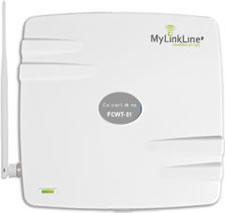
How to eliminate the cost of traditional elevator phone lines and save 35% or more. Our cellular elevator phone lines conform to ASME, ADA, and IBC codes, encompassing all requirements of the Virginia elevator code.
Virginia also follows IBC 2018, which includes additional requirements for new elevator installations
If your elevator travels over 60 feet. A two-way communication system will be installed in the elevator that provides both visible text and audible modes per code requirements. If you’re modernizing the elevator it’s advisable to consult your local Virginia elevator code authority for guidance on the applicable regulations.
- Two-way message display in the elevator cab for hearing and/or speech impaired
A method for authorized personnel to access video footage of passengers from any location within the cabin - A mechanism triggered by emergency personnel to modify the cabin message, signaling that assistance has arrived on-site
Please be advised that we are committed to consistently delivering accurate and current adoption information. We diligently update our records as new Virginia elevator code information becomes available.
Virginia Elevator Code – Elevator Phone Requirements ASME A17.1
- Two-way communication between elevator and authorized personnel
- On-site communications if over 60 ft of travel
- Communication between the elevator if elevator has remote machine room
- Answer by live authorized personnel – no automated answering
- Communication capability for onsite emergency personnel
- On-site monitoring if staffed 24/7 by authorized personnel
- Location identification on demand to authorized personnel
- Location identification without voice communication
- Hands-free devices only and telephone handsets are not allowed
- Phone automatlly answers when calling into elevator
- Automatic redirect if no answer onsite
- Monitoring the status of local telephone lines and issuing local alerts
Code Compliance Guidelines
Who Enforces Elevator Rules in Virginia
Virginia Elevator Code compliance is administered through the Uniform Statewide Building Code, and day-to-day enforcement is handled by local building departments and their code officials.
For property managers and building owners, that means your primary point of contact is usually the local jurisdiction that issues permits and conducts or accepts inspections. If you operate in multiple counties or cities, confirm local procedures early so inspections, paperwork, and renewal timing do not slip and cause downtime or enforcement action.
Which Code Edition Applies Today
Virginia Elevator Code requirements flow from the currently enforced Virginia Uniform Statewide Building Code and its incorporated standards, which determine what applies for new installations, alterations, and ongoing operation.
For active projects, the applicable edition is typically tied to the permit application date and the code edition under which the permit is issued under. Keep your permit file organized with the edition used, any approved modifications, and the inspection documentation so future maintenance, modernization planning, and ownership transitions stay clean.
Inspections and Annual Testing
Virginia Elevator Code administration relies on periodic safety testing and inspections to confirm elevators and related conveyances are operating safely and as approved.
Plan for annual testing windows and any required witnessed tests so your elevator contractor, inspector, and building team are coordinated. If a unit fails inspection, fast turnaround on repairs and retesting helps avoid service disruption and protects your inspection status and tenant confidence.
Certificate of Inspection and Posting
Virginia Elevator Code enforcement includes keeping the current certificate of inspection available for public inspection in an approved manner.
In practice, this is something building staff should be able to locate immediately when an inspector asks. Make certificate posting and record retention part of your monthly facilities checklist, especially in multi-site portfolios, where missed postings and missing documentation often create avoidable compliance friction.
Permits and Plan Review for New Work
Virginia Elevator Code-related work may require permits and plan review through the local building department before installation or major changes proceed.
For new elevators, modernization scope, or significant alterations, submit complete documentation early and confirm what will be reviewed under the elevator permit versus an associated building permit. Clear plan sets, device specifications, and coordinated schedules reduce inspection delays and help you reach certificate of occupancy or return to service without rework.
Modernization and Alterations
Virginia Elevator Code obligations often change during modernization because alterations can trigger current requirements, including communication, accessibility, and life safety interfaces.
Before you start, confirm the exact scope, what the locality considers an alteration versus repair, and whether you need a formal modification request. Document any approved changes and keep them in the equipment file so future inspectors and contractors understand what was approved and why.
Third Party Inspections and Test Reports
Virginia Elevator Code workflows commonly involve certified third-party inspection agents and test witnessing, with reports tied to credentials and documentation requirements.
Make sure your contractor knows what tests must be witnessed and what reports must be produced, including any identification details the jurisdiction expects. A consistent package of test results, inspector signoff, and certificate records reduces back and forth and makes renewals far more predictable.
Elevator Mechanics and Credentials
Virginia Elevator Code compliance depends on qualified professionals performing work and supporting documentation that aligns with Virginia’s credentialing and certification expectations.
When you hire an elevator contractor, confirm who is responsible for tests, who will witness them, and how credentials will be documented in reports. Keeping a vendor credential file for each property helps you avoid last-minute scrambling when an inspection is scheduled or when a new property manager takes over.
Variances, Modifications, and Appeals
Virginia Elevator Code administration allows for formal modification requests and an appeal path when a building owner believes an alternate approach still meets safety intent.
Use this process carefully and early, not after work is completed. Put requests in writing, include the technical rationale, and keep the written decision in the permanent elevator file. If you manage multiple sites, standardize how requests are prepared so your approvals are consistent and auditable.
Emergency Communication Reliability
Virginia Elevator Code compliance is not only about having an emergency phone, but it is also about having an emergency communication method that works when it is needed.
Treat emergency communication as a life safety system with routine checks, clear responsibility, and documented follow-through. If a device is unreliable, the risk is operational, legal, and reputational. A proactive replacement plan and a clear testing routine help avoid compliance failures discovered during inspections.
How MyLinkLine Supports Compliance
Virginia Elevator Code compliance is supported when the emergency phone solution is dependable, testable, and documented in a way that inspectors can verify.
MyLinkLine provides cellular elevator phone lines and optional monitoring that helps keep emergency calls answered and handled through a staffed dispatch operation. When installed, MyLinkLine meets all applicable code requirements and helps building teams maintain a consistent compliance file with installation details and service history.
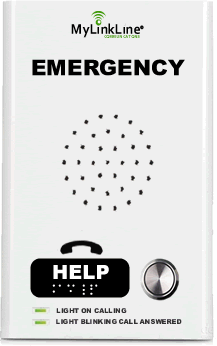
Emergency Elevator Phones
MyLinkLine will only install elevator telephones that meet code requirements. We also comply with ADA, ASME, ANSI and IBC codes in addition to all State and Local requirements if applicable. Volume pricing available.

Elevator Phone Monitoring Service
Our dispatch center has been delivering professional service for over twenty years. Our staff has extensive technical and interpersonal training to assist in emergency and non-emergency situations.
Lifetime Product Warranty
If any part of your elevator telephone(s) or elevator cellular landline fails at any time during your lifetime due to a defect in material or workmanship, we will repair or, at our option, replace the defective device at our cost***
Frequently Asked Questions
Elevator Code and Inspection Compliance
What is the Virginia Elevator Code and why does it matter for building owners?
It is the set of state adopted building code provisions and incorporated standards that govern elevator safety, inspections, and required safety features. It matters because noncompliance can lead to failed inspections, service interruptions, and liability exposure. Owners should track inspection status, keep certificates available, and confirm local permitting rules before any elevator work begins.
How often do elevators typically need to be inspected in Virginia?
The Virginia Elevator Code framework relies on periodic inspections and safety testing that the local building department uses to confirm the equipment remains safe to operate. Your exact schedule and process can vary by jurisdiction, so confirm timing, paperwork, and fees with the locality that issues your inspection certificate.
Do I need a permit to modernize or alter an elevator?
Often yes. Many elevator upgrades and alterations require a permit and may require plan review before work starts. Because alterations can trigger updated requirements, it is smart to confirm scope, documentation needs, and inspection scheduling with the local authority before ordering equipment or starting demolition.
What documentation should be kept on site for Virginia Elevator Code compliance?
Keep the most current inspection certificate available as the jurisdiction requires, plus the latest test results, service records, and any written approvals for modifications. If you manage multiple properties, store digital copies in a centralized folder and keep a printed quick access copy where building staff can produce it during an inspection.
What are common reasons elevators fail inspections?
Common issues include overdue testing, incomplete paperwork, problems discovered during witnessed tests, and life safety-related items such as unreliable emergency communication. The Virginia Elevator Code expectations are easiest to meet when your team has a calendar for testing, a checklist for documentation, and a defined owner for follow-up items.
How can MyLinkLine help with emergency phone compliance
MyLinkLine provides cellular elevator phone lines and optional monitoring that support reliable emergency calling and response handling, and MyLinkLine meets all applicable code requirements.
Other Useful MyLinkLine Resources